
What is a cooling system in a mold?
author: WanHan Technology
2023-12-26
The cooling system in the mold is a system used to control the temperature of the mold. Its main purpose is to effectively cool the mold cavity and core during molding processes such as injection molding and die casting to ensure the quality of molded products and improve production efficiency. Cooling systems usually transfer and dissipate heat through media such as cooling water or cooling oil.
The main features and functions include:
Temperature control: The cooling system can control the temperature of the mold and maintain it within the appropriate operating temperature range. This helps prevent the mold from overheating and increases the life of the mold.
Shortening of the molding cycle: Through an effective cooling system, the temperature of the molded product can be quickly reduced, thereby shortening the molding cycle. Short cycle times mean higher productivity.
Improve the quality of molded products: Good design of the cooling system can ensure uniform cooling of the mold cavity and mold core, reduce temperature gradients, and prevent defects such as deformation and warpage of molded products caused by uneven cooling.
Prevent mold deformation: The mold will be affected by high temperatures during operation, and the cooling system can effectively prevent the mold from deforming due to excessive temperature.
Energy saving and emission reduction: A well-designed cooling system can improve cooling efficiency and reduce cooling time, thereby reducing energy consumption and reducing waste heat emissions.
Cooling channel design: The cooling system usually includes properly designed cooling channels that run through the structure of the mold to ensure that the cooling medium can quickly flow through and take away the heat.
Cooling medium selection: The cooling medium used in the cooling system can be water, oil or other suitable media. Different media have different thermal conductivity and cooling effects, which are selected according to the specific mold and molding process.
Lubricating effect: The lubricating fluid in the cooling system can also act as a lubricant to a certain extent, reducing the friction between the mold cavity and the mold core during movement.
In mold design and manufacturing, the reasonable design of the cooling system has an important impact on mold life, production efficiency and molded product quality.

What is the push rod mechanism in the mold?
What is the guide mechanism in the mold?
Related Article
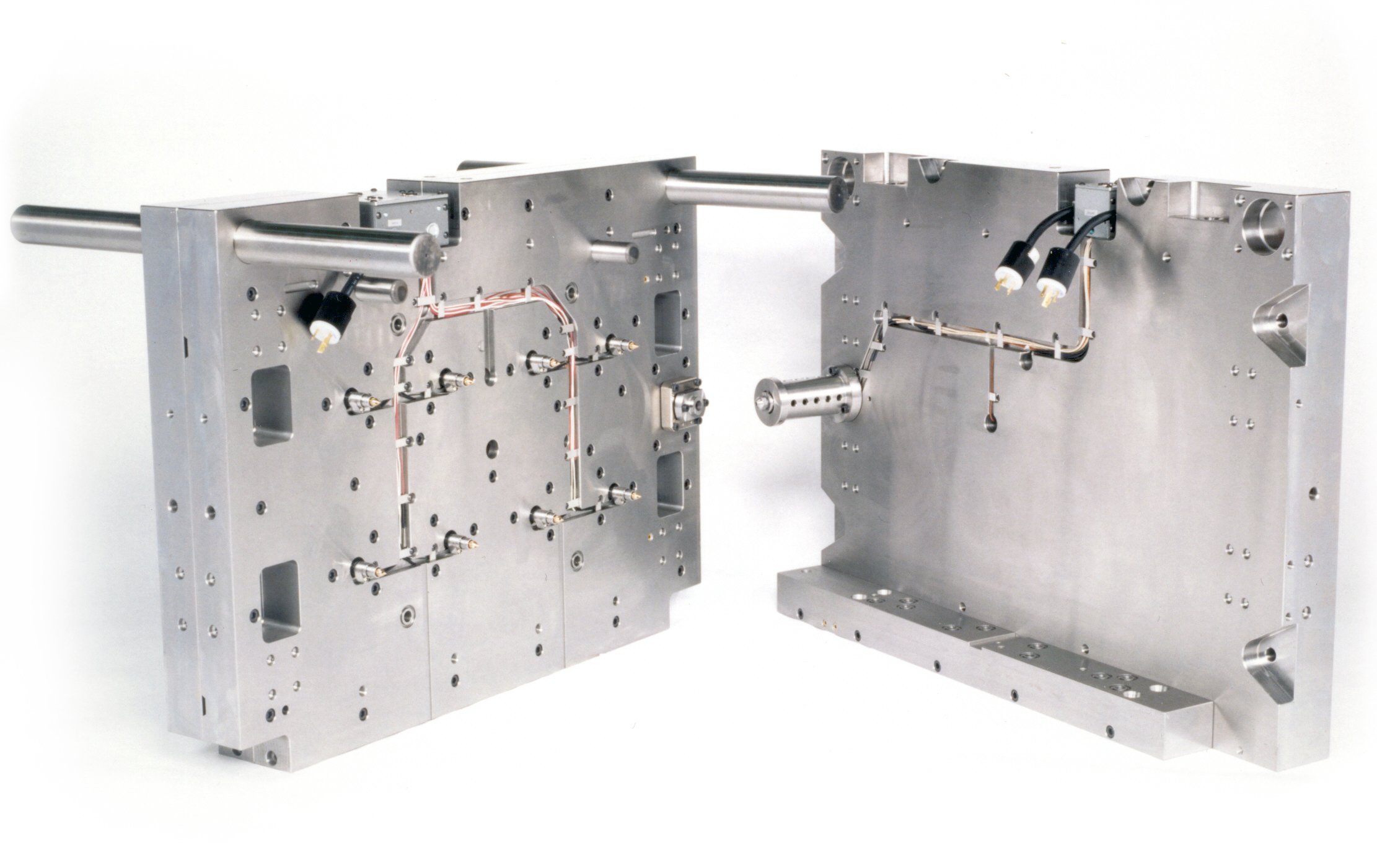
The mold base is the support structure of the mold, which carries the weight of the entire mold and provides support. The base is usually located at the bottom of the mold and supports various components of the mold, including the mold cavity, mold core, guide mechanism, cooling system, etc.
What is a mold base?
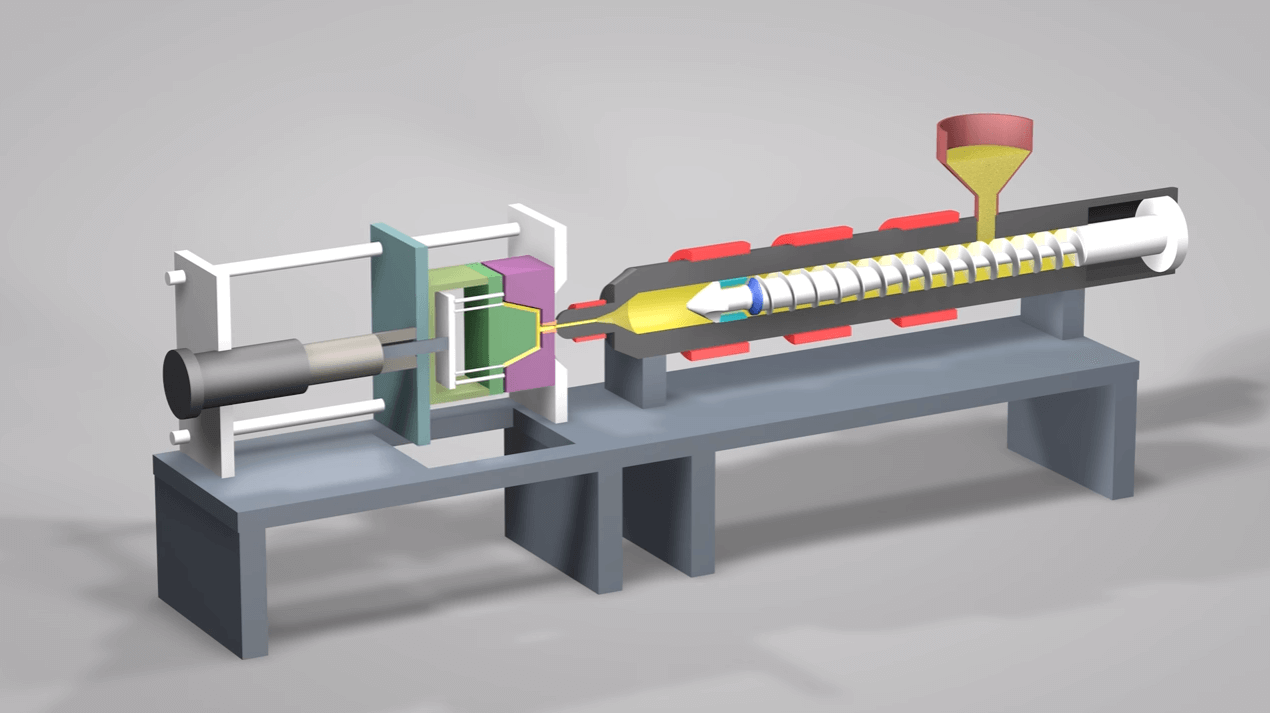
The injection system in the mold refers to the system used to inject molten plastic material into the mold cavity. The injection system is a key component in the injection mold. Its main purpose is to inject molten plastic material into the mold cavity evenly and accurately to form the final product shape.
What is an injection system in a mold?
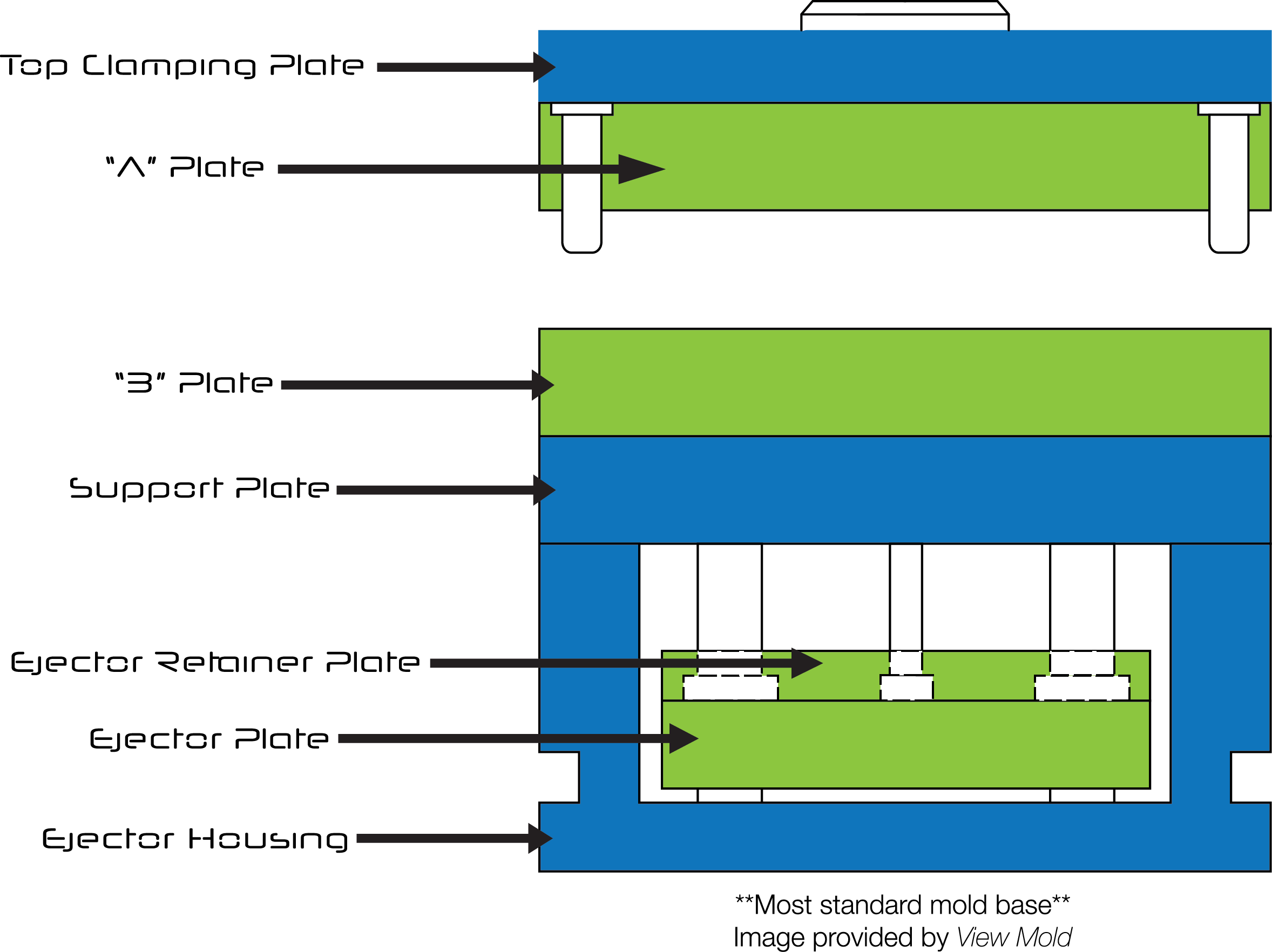
The push rod mechanism is an important part of the mold. It is used to eject the molded product from the mold cavity and promote the product to escape from the mold smoothly. This process is part of the mold opening. The push rod mechanism uses mechanical or hydraulic force to push the push rod to push the molded product out of the mold.
What is the push rod mechanism in the mold?
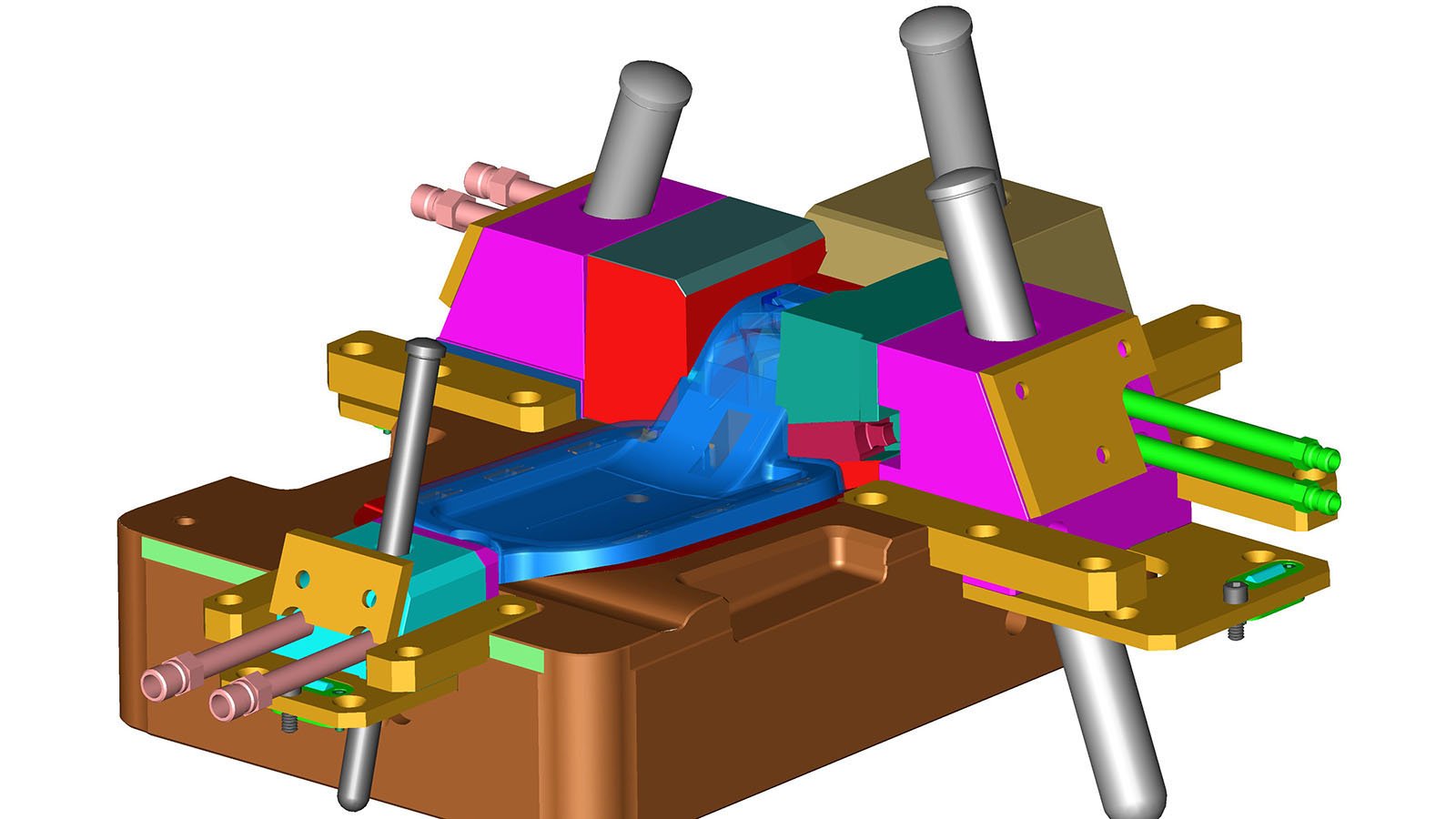
The guide mechanism is an important part of the mold. Its main function is to ensure that the cavity and core are correctly aligned during the closing and opening of the mold. The guide mechanism mainly includes a guide pin and a guide bush, which work together to enable the upper and lower parts of the mold to move accurately and smoothly relative to each other.
What is the guide mechanism in the mold?
SEND MESSAGE