
What is the push rod mechanism in the mold?
author: WanHan Technology
2023-12-26
The push rod mechanism is an important part of the mold. It is used to eject the molded product from the mold cavity and promote the product to escape from the mold smoothly. This process is part of the mold opening. The push rod mechanism uses mechanical or hydraulic force to push the push rod to push the molded product out of the mold.
The main features and functions include:
Ejection function: The main function of the push rod mechanism is to separate the molded product from the mold cavity and ensure that the molded product can be smoothly ejected from the mold without being damaged or deformed.
Mechanical or hydraulic push: Push rod mechanisms can be driven by mechanical devices or hydraulic systems. In mechanical propulsion, mechanical elements such as springs or cylinders are usually used, whereas in hydraulic propulsion, hydraulic cylinders are used to provide the propulsive force.
Design flexibility: The design of the push rod mechanism can be adjusted according to different mold structures and molded product requirements. The shape and position of the push rod can be flexibly designed to adapt to different molding needs.
Position control: The push rod mechanism requires precise position control to ensure that the molded product is pushed at the appropriate timing and speed to prevent damage to the product or cause mold failure.
Stability and durability: The push rod mechanism needs to be stable and durable enough to withstand repeated mold opening movements while maintaining push stability and accuracy.
Demold timing: The design of the push rod mechanism needs to consider when to start to ensure that the molded product is pushed at the appropriate stage in the molding cycle to avoid affecting the entire production process.
Maintenance and maintenance: The push rod mechanism requires regular maintenance and upkeep to ensure the reliability and stability of the mechanism. This includes operations such as lubrication, cleaning and inspection.
Push rod mechanisms are widely used in processes such as injection molding, especially when the molded product needs to be ejected after the mold is closed. Its design and use require reasonable adjustments based on specific mold and production requirements.

What is an injection system in a mold?
What is a cooling system in a mold?
Related Article
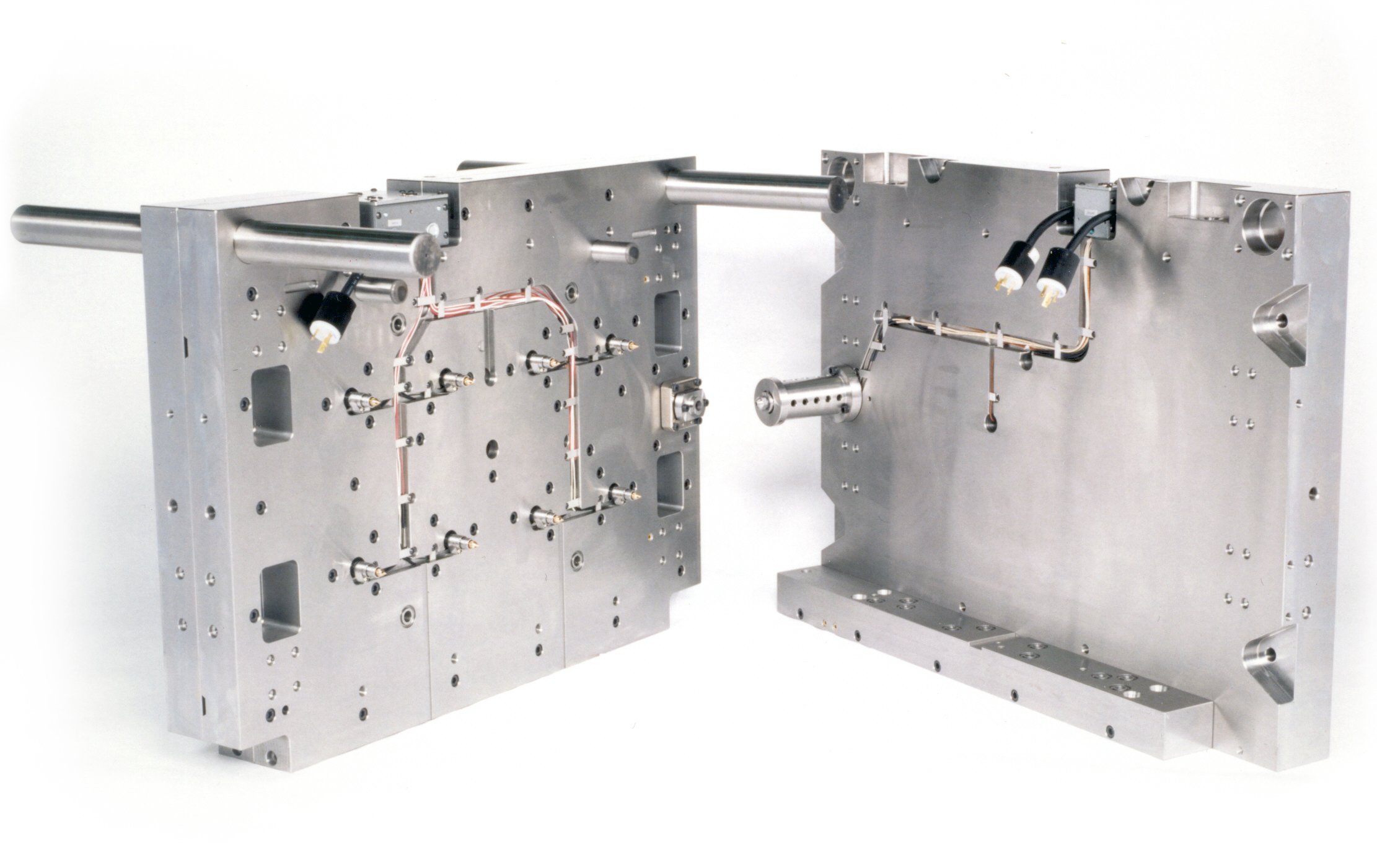
The mold base is the support structure of the mold, which carries the weight of the entire mold and provides support. The base is usually located at the bottom of the mold and supports various components of the mold, including the mold cavity, mold core, guide mechanism, cooling system, etc.
What is a mold base?
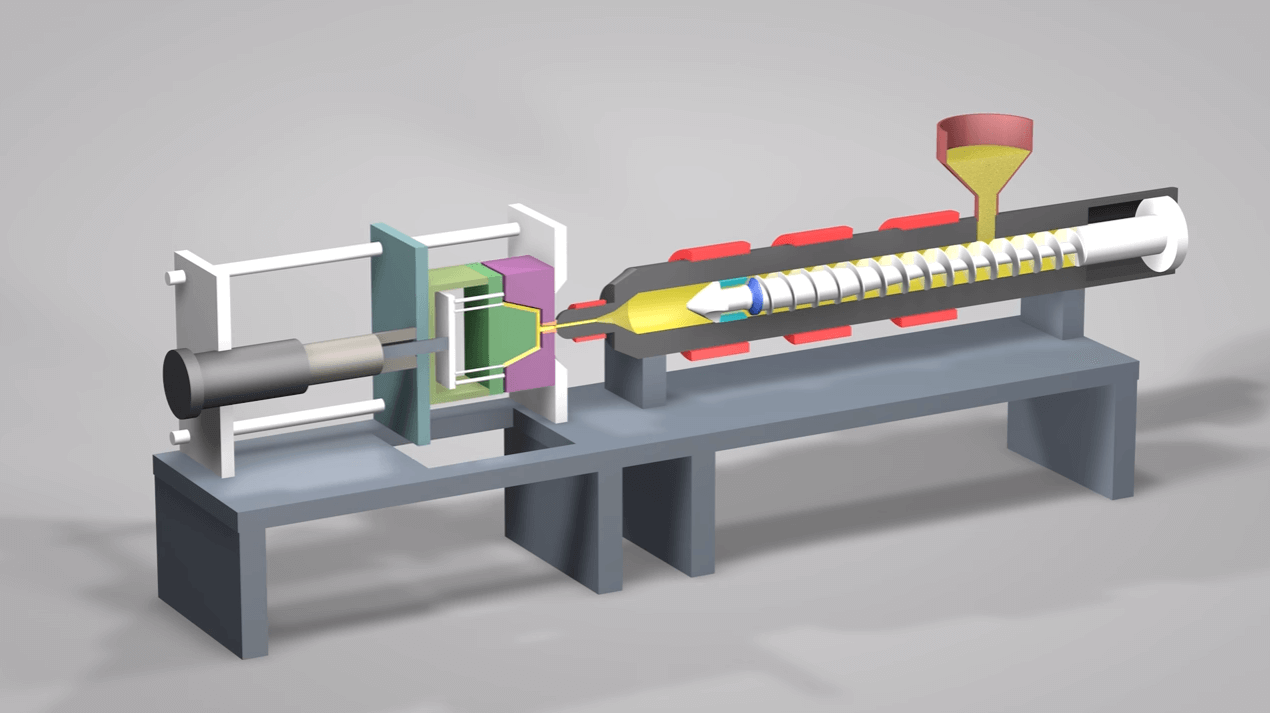
The injection system in the mold refers to the system used to inject molten plastic material into the mold cavity. The injection system is a key component in the injection mold. Its main purpose is to inject molten plastic material into the mold cavity evenly and accurately to form the final product shape.
What is an injection system in a mold?
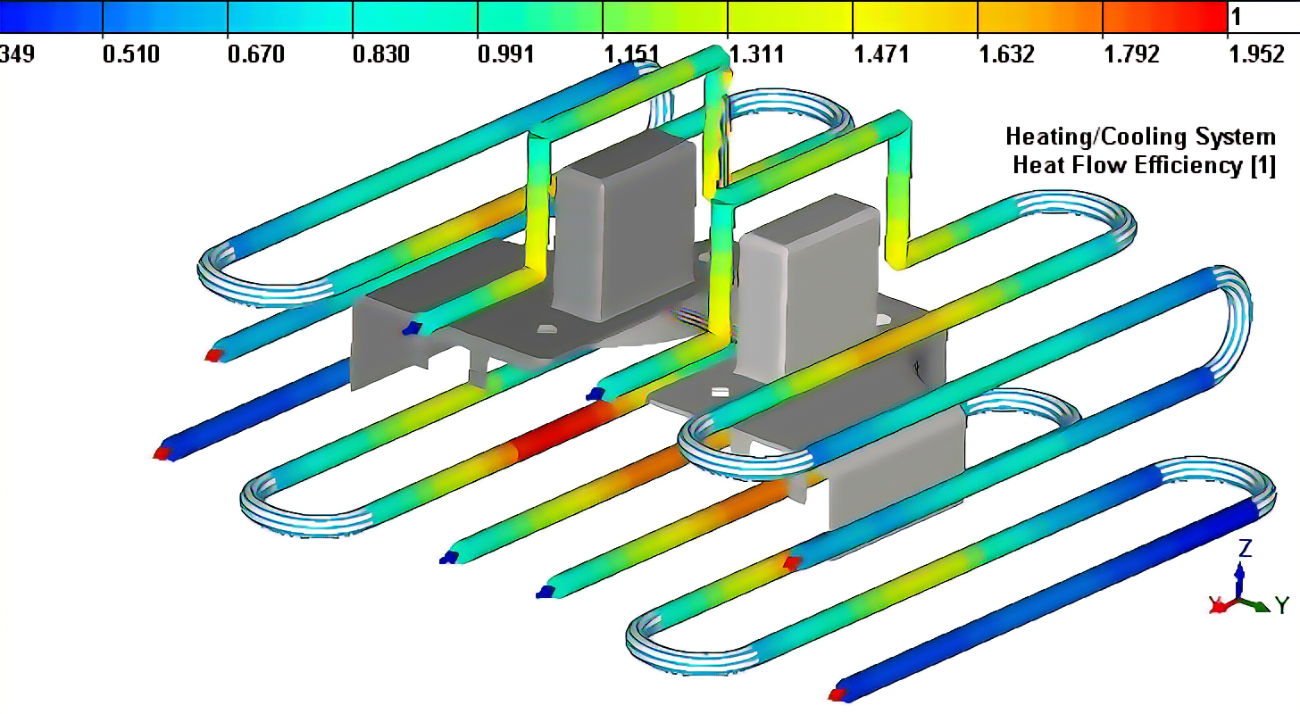
The cooling system in the mold is a system used to control the temperature of the mold. Its main purpose is to effectively cool the mold cavity and core during molding processes such as injection molding and die casting to ensure the quality of molded products and improve production efficiency. Cooling systems usually transfer and dissipate heat through media such as cooling water or cooling oil.
What is a cooling system in a mold?
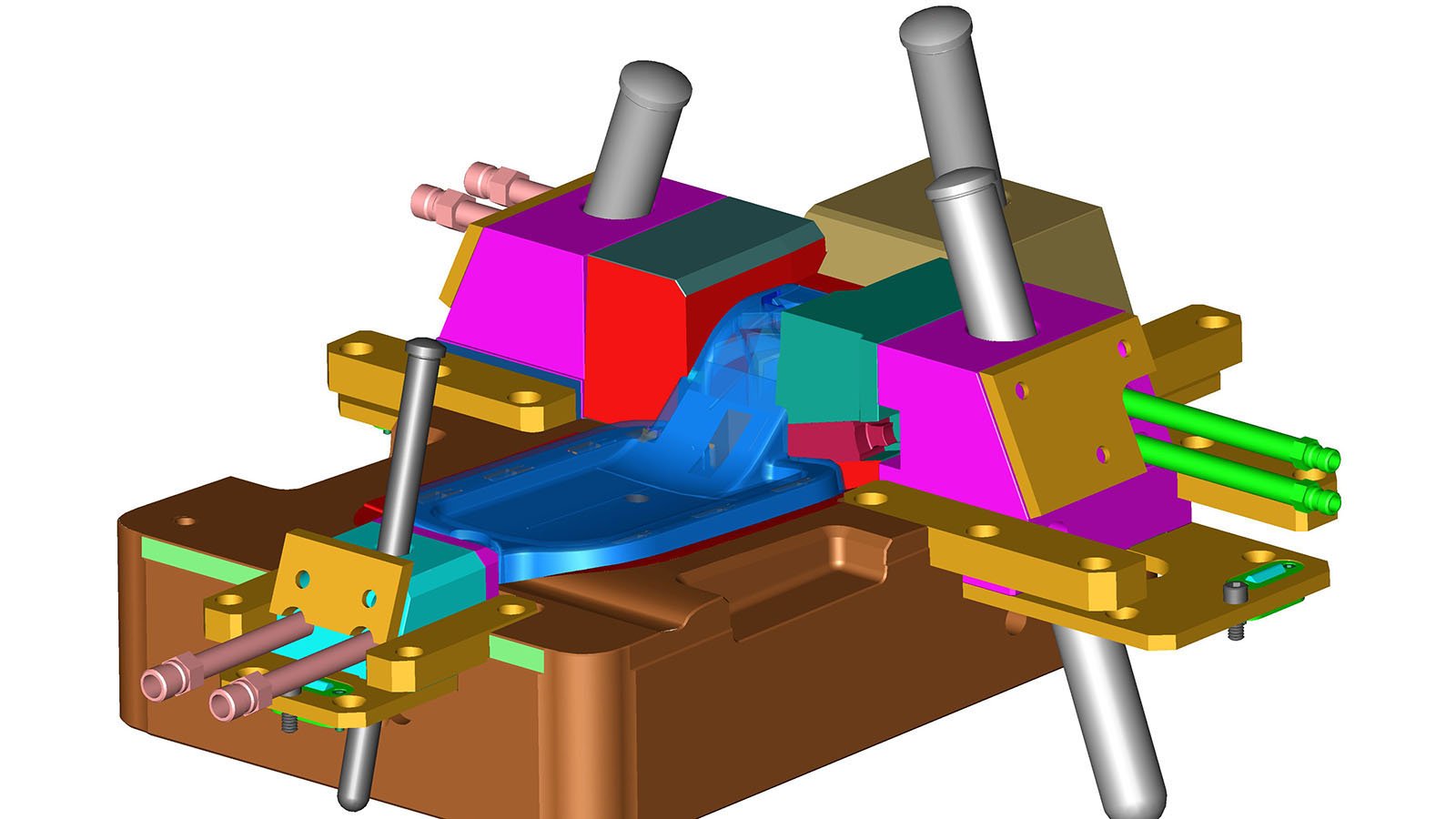
The guide mechanism is an important part of the mold. Its main function is to ensure that the cavity and core are correctly aligned during the closing and opening of the mold. The guide mechanism mainly includes a guide pin and a guide bush, which work together to enable the upper and lower parts of the mold to move accurately and smoothly relative to each other.
What is the guide mechanism in the mold?
SEND MESSAGE