
What is the guide mechanism in the mold?
author: WanHan Technology
2023-12-26
The guide mechanism is an important part of the mold. Its main function is to ensure that the cavity and core are correctly aligned during the closing and opening of the mold. The guide mechanism mainly includes a guide pin and a guide bush, which work together to enable the upper and lower parts of the mold to move accurately and smoothly relative to each other.
The main features and functions include:
Alignment function: The main function of the guide mechanism is to ensure that the mold cavity and mold core can be accurately aligned when the mold is closed, and to prevent them from abnormal displacement during movement.
Prevent mold dislocation: The guide mechanism can prevent the mold from being dislocated during the working process, that is, the relative position of the mold cavity and the mold core changes abnormally. This is very important for the shape and dimensional stability of the molded product.
Guide post and guide sleeve: The guide mechanism usually includes a guide post fixed on one side and a matching guide sleeve. The guide pillar is installed on one side of the mold, and the guide sleeve is fixed on the other side of the mold. They cooperate with each other to achieve the guiding function.
Guidance method: The guidance method of the guide mechanism can be linear guidance or radial guidance, depending on the design and working requirements of the mold. Linear guidance is often used for mold cavities and mold cores that need to translate up and down, while radial guidance is often used for parts that need to rotate.
Guidance accuracy: The guidance accuracy of the guide mechanism has a direct impact on the working stability of the mold and the accuracy of the molded product. The higher the guidance accuracy, the more guaranteed the life of the mold and the quality of the molded products.
Lubrication and anti-locking: A lubrication system is usually added to the guide mechanism to ensure that the guide column and guide sleeve can work smoothly during movement and to prevent locking problems caused by friction.
The guide mechanism is an important consideration in mold design, and its good design and adjustment are essential for the normal operation of the mold. The design of the guide mechanism must consider factors such as the product structure, mold materials, and manufacturing costs.
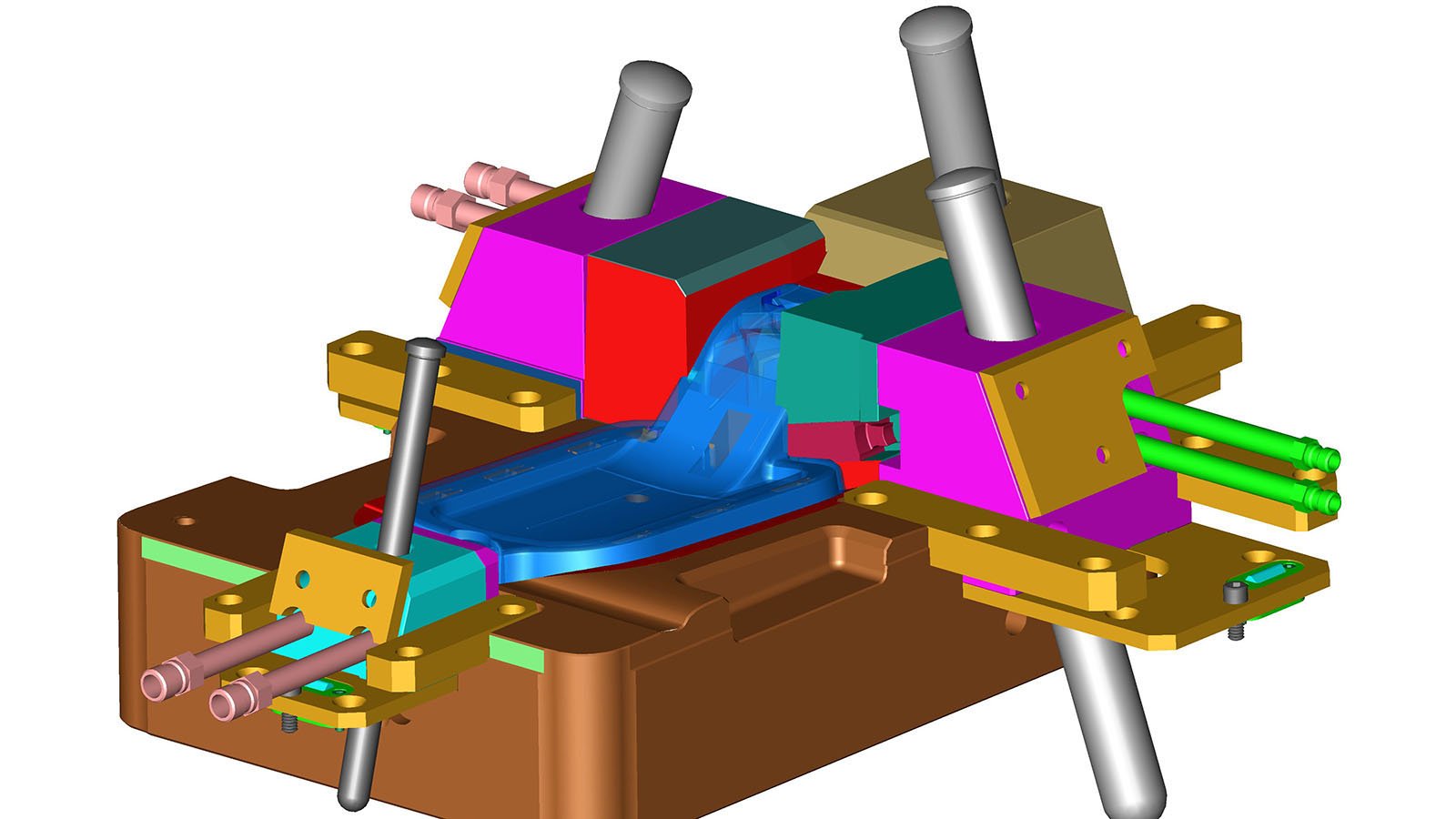
What is a cooling system in a mold?
What is the parting surface in the mold?
Related Article
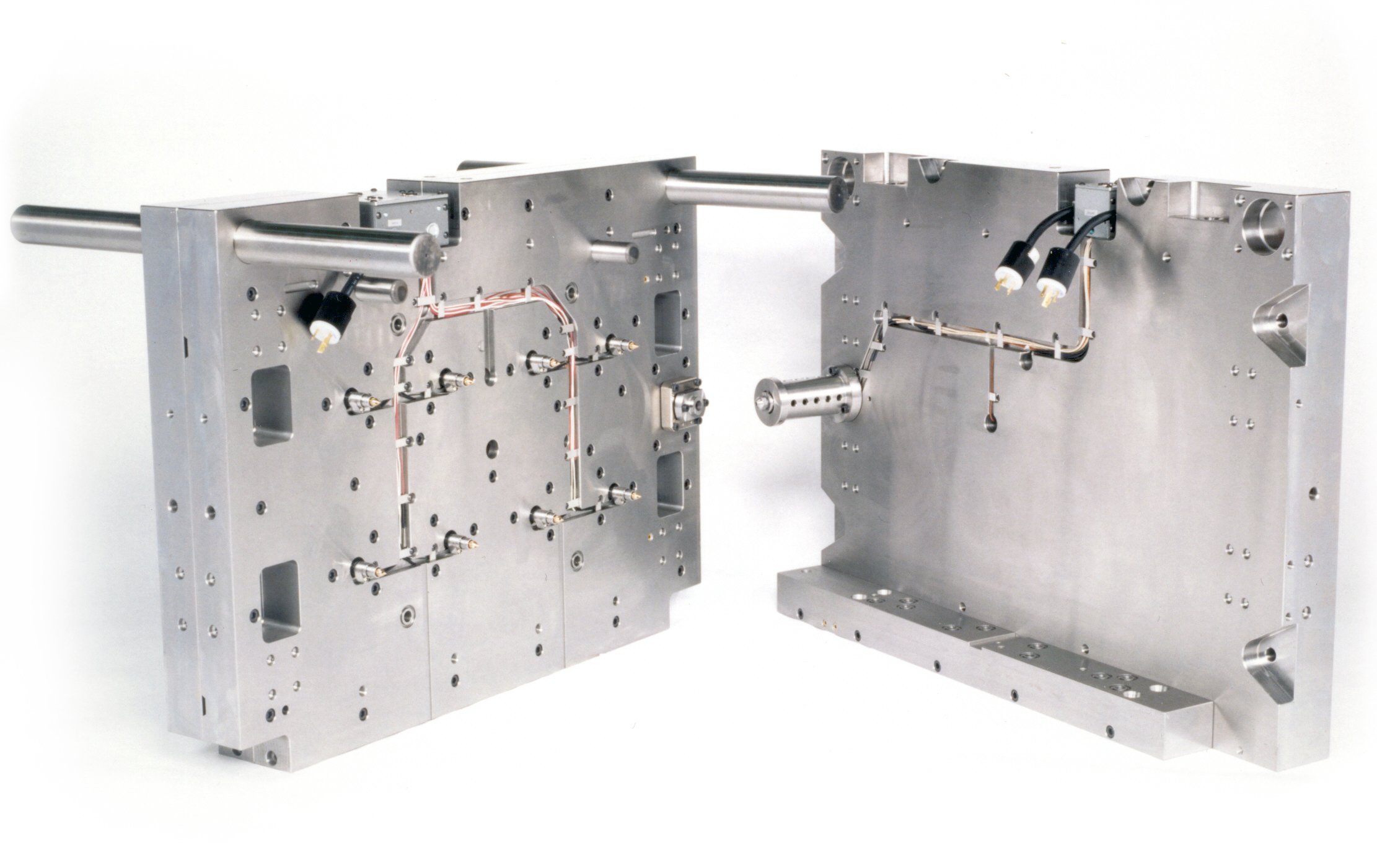
The mold base is the support structure of the mold, which carries the weight of the entire mold and provides support. The base is usually located at the bottom of the mold and supports various components of the mold, including the mold cavity, mold core, guide mechanism, cooling system, etc.
What is a mold base?
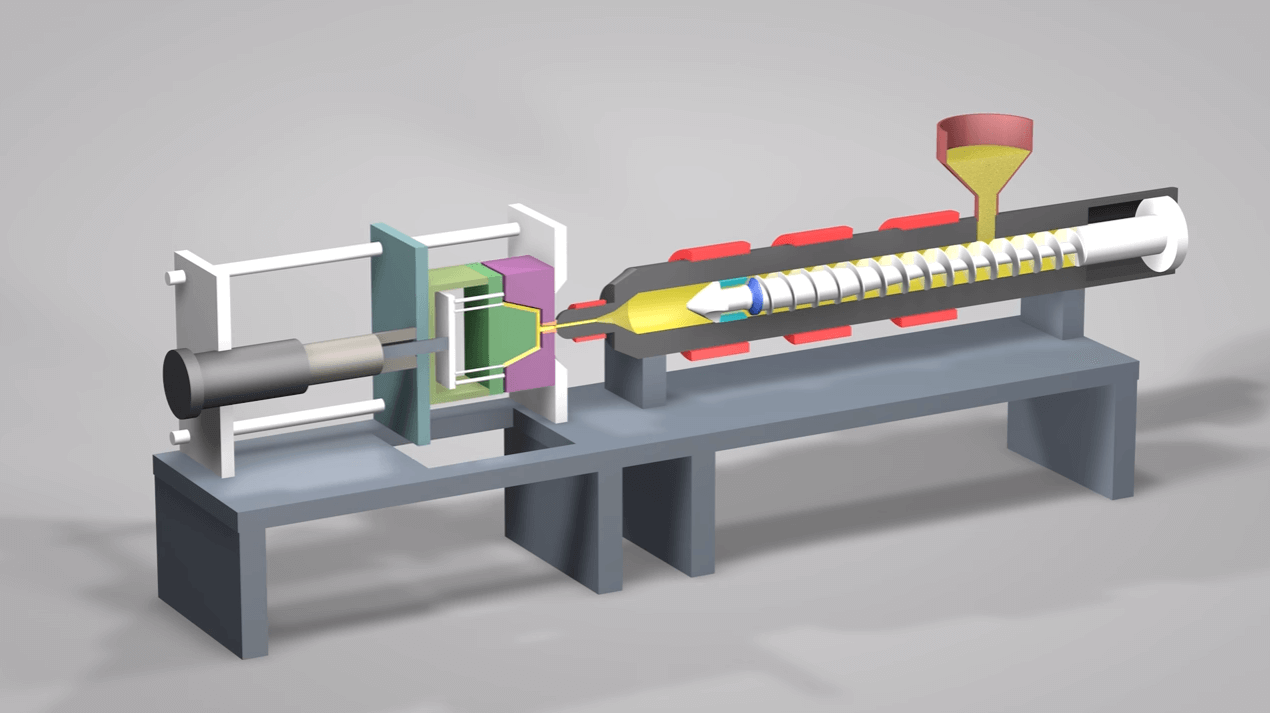
The injection system in the mold refers to the system used to inject molten plastic material into the mold cavity. The injection system is a key component in the injection mold. Its main purpose is to inject molten plastic material into the mold cavity evenly and accurately to form the final product shape.
What is an injection system in a mold?
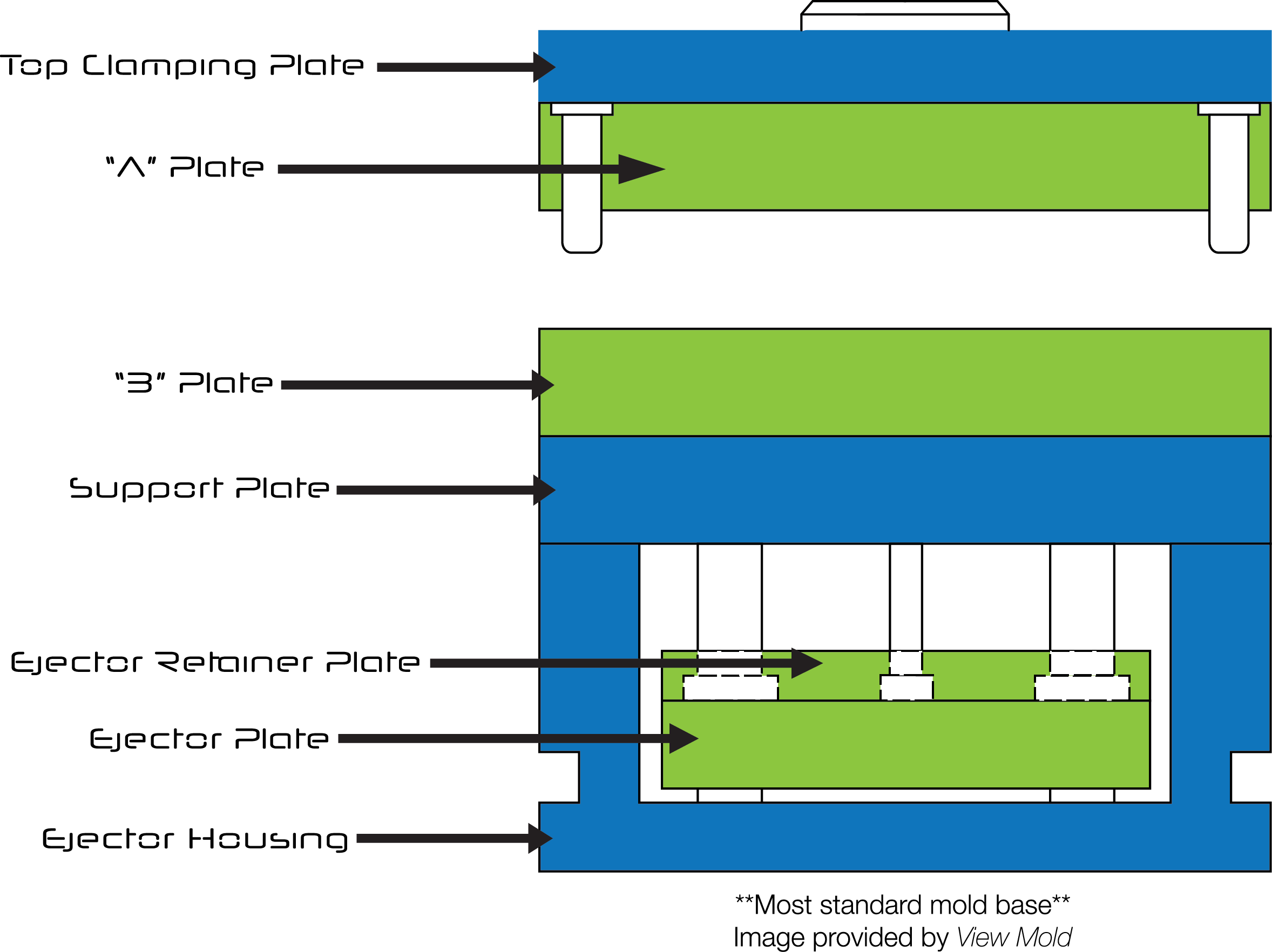
The push rod mechanism is an important part of the mold. It is used to eject the molded product from the mold cavity and promote the product to escape from the mold smoothly. This process is part of the mold opening. The push rod mechanism uses mechanical or hydraulic force to push the push rod to push the molded product out of the mold.
What is the push rod mechanism in the mold?
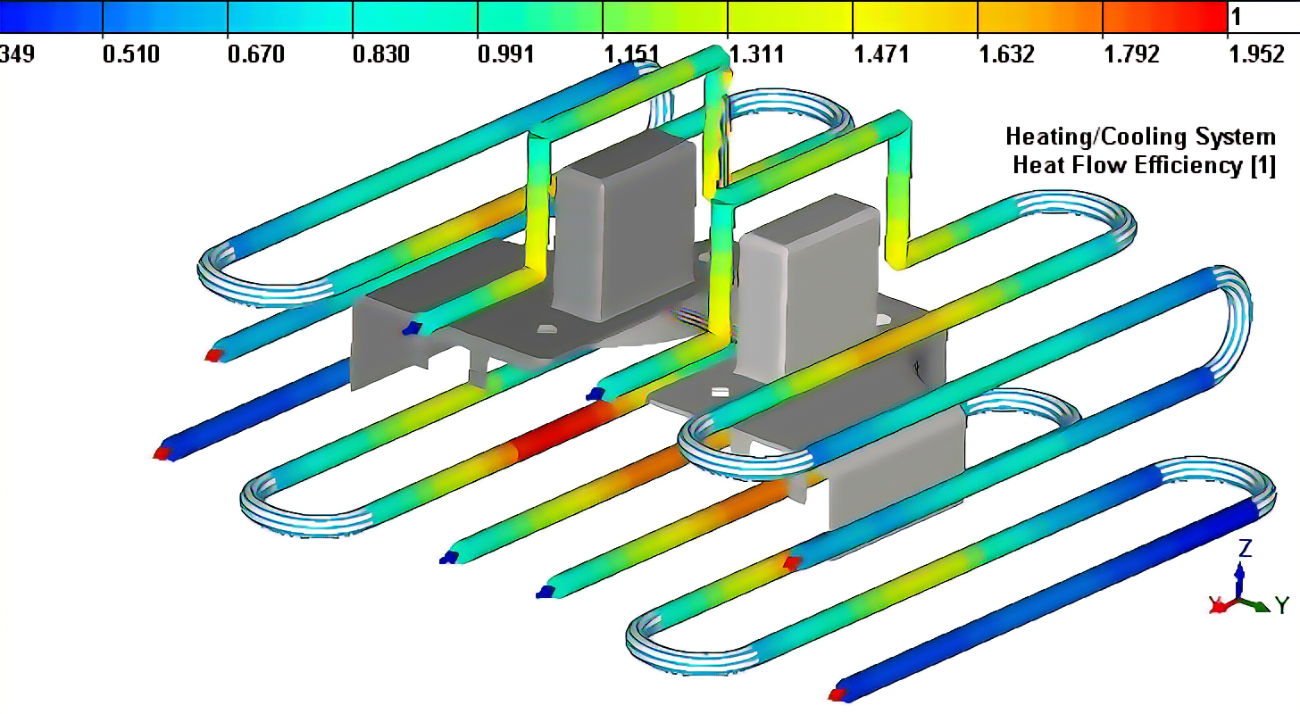
The cooling system in the mold is a system used to control the temperature of the mold. Its main purpose is to effectively cool the mold cavity and core during molding processes such as injection molding and die casting to ensure the quality of molded products and improve production efficiency. Cooling systems usually transfer and dissipate heat through media such as cooling water or cooling oil.
What is a cooling system in a mold?
SEND MESSAGE