
What is a mold cavity?
author: WanHan Technology
2023-12-26
The mold cavity refers to the part of the mold used to form the shape of the final product. In injection molding, die casting, blow molding and other molding processes, the mold cavity determines the shape, size and surface characteristics of the final product. It is a key part of the mold and directly affects the quality and appearance of the molded product.
The main features and functions include:
Shape and Size: The shape and size of the mold cavity should be consistent with the design requirements of the final product. The accuracy and geometry of the mold cavity directly determine the quality and accuracy of the molded product.
Surface quality: The surface quality of the mold cavity has an important impact on the appearance of the molded product. A smooth, flawless mold cavity surface ensures a smooth surface of the molded product, reducing the need for subsequent processing.
Cooling: Cooling channels are usually provided around the mold cavity to control the mold temperature and accelerate the cooling of the molded product. Good cooling design helps improve production efficiency and product quality.
Mold release performance: The design of the mold cavity must consider the product's release performance to ensure that the molded product can be smoothly separated from the mold to avoid damage or deformation.
Surface treatment: In order to improve the wear resistance of the mold cavity and extend its service life, surface treatment, such as mirror polishing, coating, etc., is sometimes required.
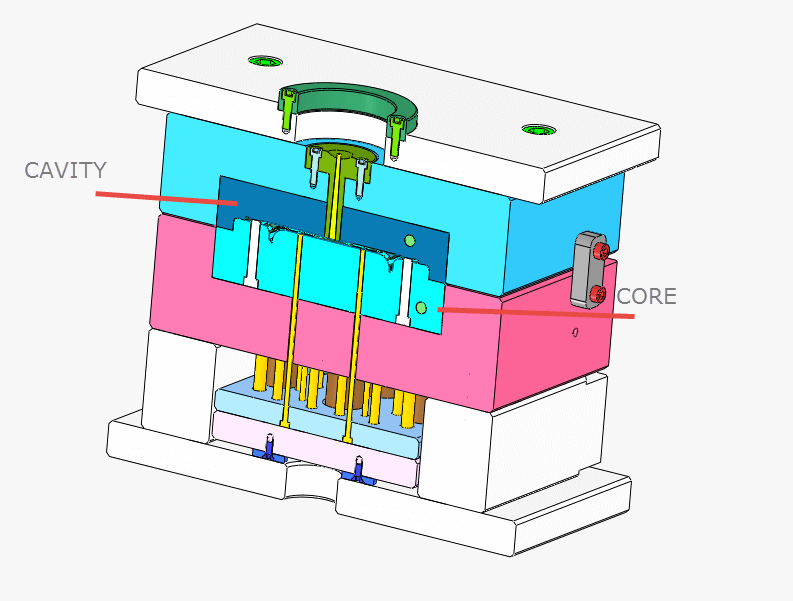
In injection molds, the mold cavity usually consists of two parts: the mold cavity and the mold core. The mold cavity forms the shape of the product, while the mold core forms the internal structure of the product. The two parts are separated by a parting surface. During the molding process, the mold cavity and mold core will separate to form a space for the product.
Overall, the design and manufacturing of mold cavity is a crucial part of mold manufacturing and is directly related to the quality and production efficiency of molded products.
What is the parting surface in the mold?
What does the basic structure of the mold include?
Related Article
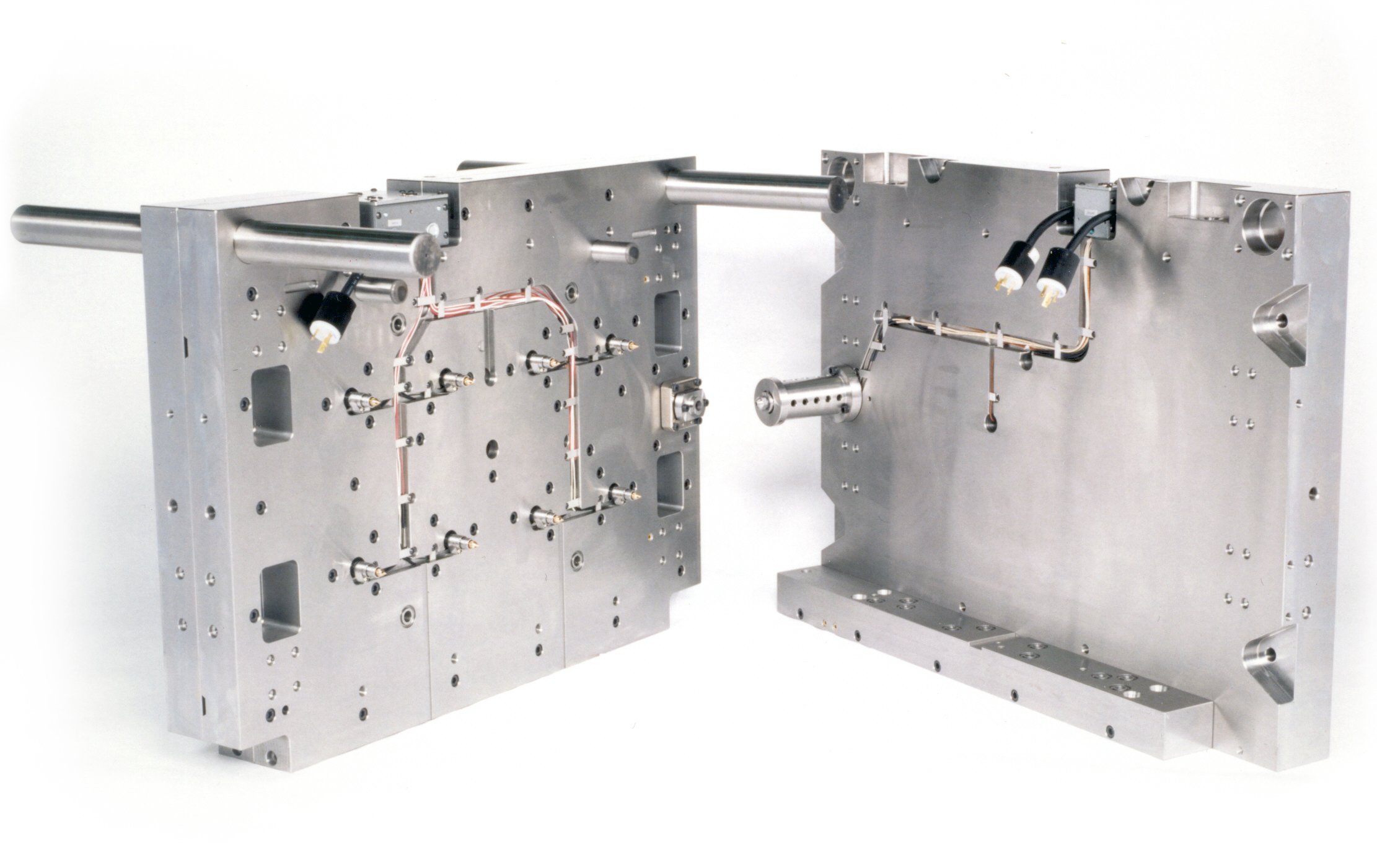
The mold base is the support structure of the mold, which carries the weight of the entire mold and provides support. The base is usually located at the bottom of the mold and supports various components of the mold, including the mold cavity, mold core, guide mechanism, cooling system, etc.
What is a mold base?
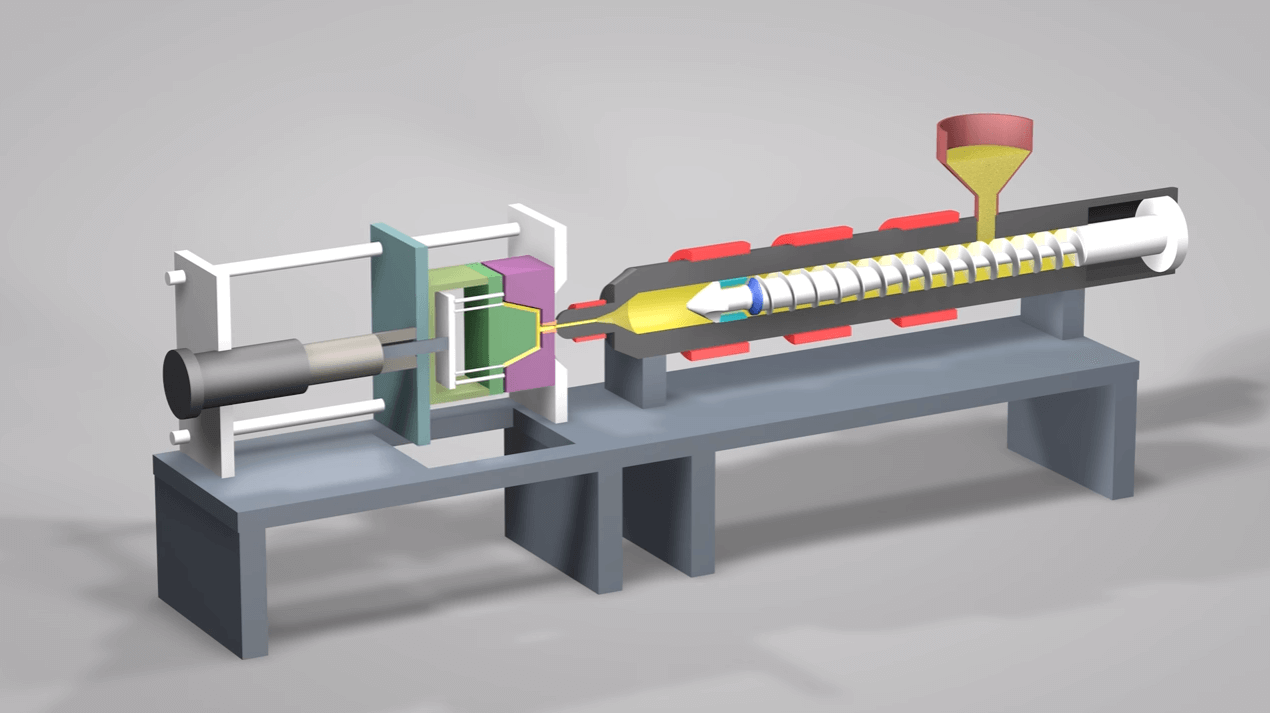
The injection system in the mold refers to the system used to inject molten plastic material into the mold cavity. The injection system is a key component in the injection mold. Its main purpose is to inject molten plastic material into the mold cavity evenly and accurately to form the final product shape.
What is an injection system in a mold?
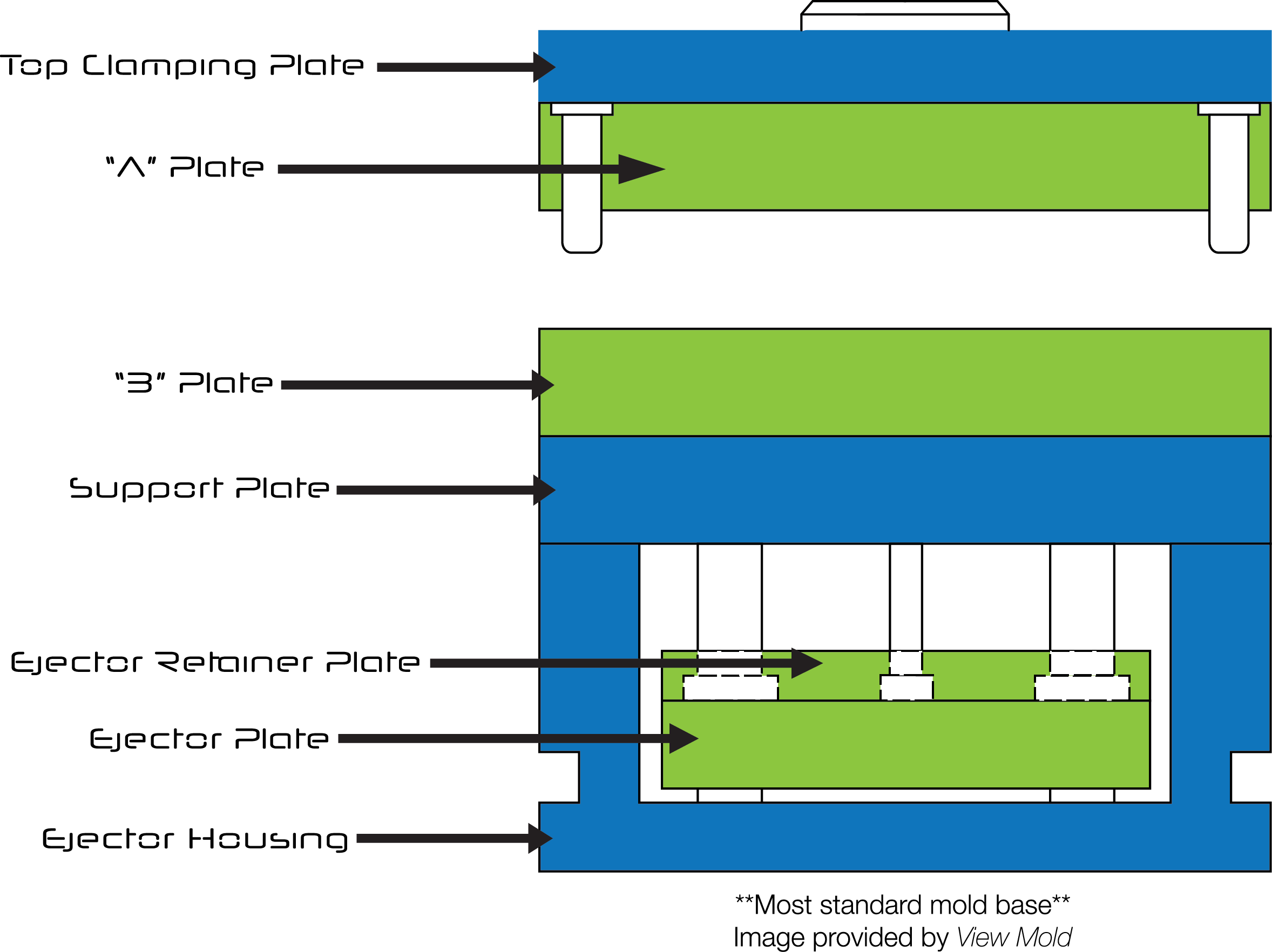
The push rod mechanism is an important part of the mold. It is used to eject the molded product from the mold cavity and promote the product to escape from the mold smoothly. This process is part of the mold opening. The push rod mechanism uses mechanical or hydraulic force to push the push rod to push the molded product out of the mold.
What is the push rod mechanism in the mold?
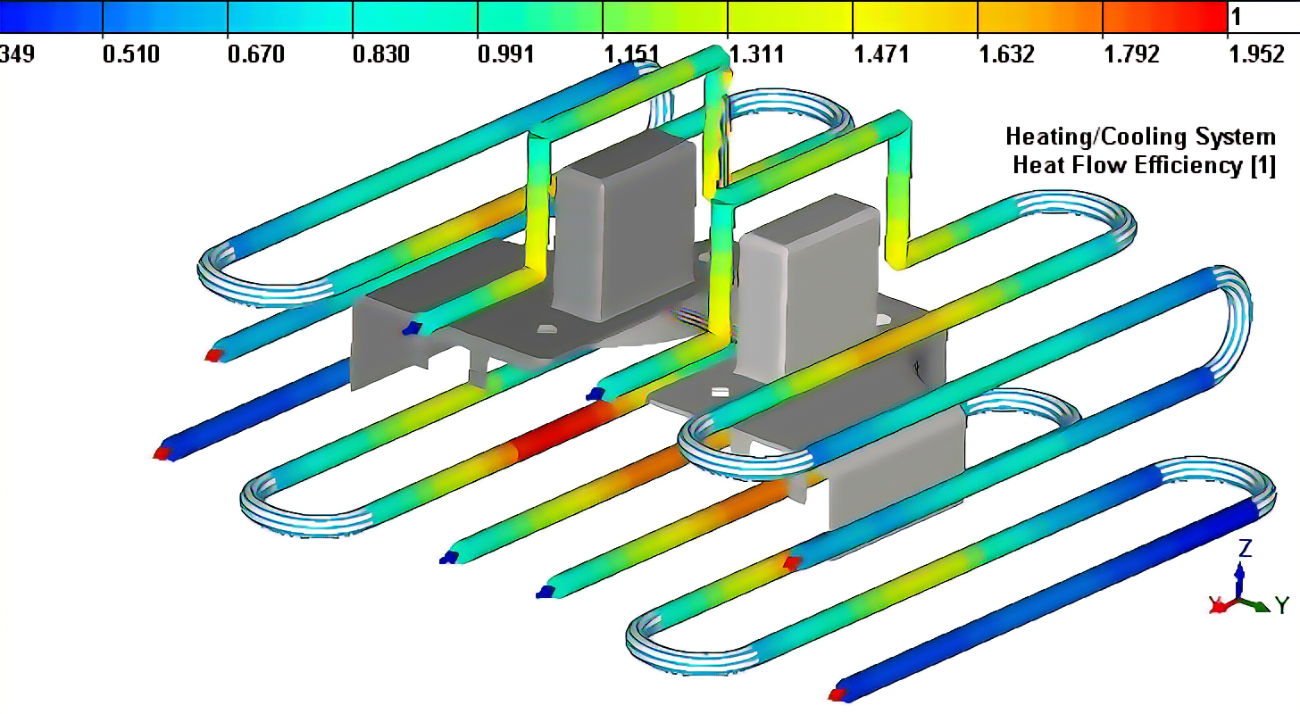
The cooling system in the mold is a system used to control the temperature of the mold. Its main purpose is to effectively cool the mold cavity and core during molding processes such as injection molding and die casting to ensure the quality of molded products and improve production efficiency. Cooling systems usually transfer and dissipate heat through media such as cooling water or cooling oil.
What is a cooling system in a mold?
SEND MESSAGE