
Mold Core: How It Affects Plastic Part Quality and Tooling Decisions
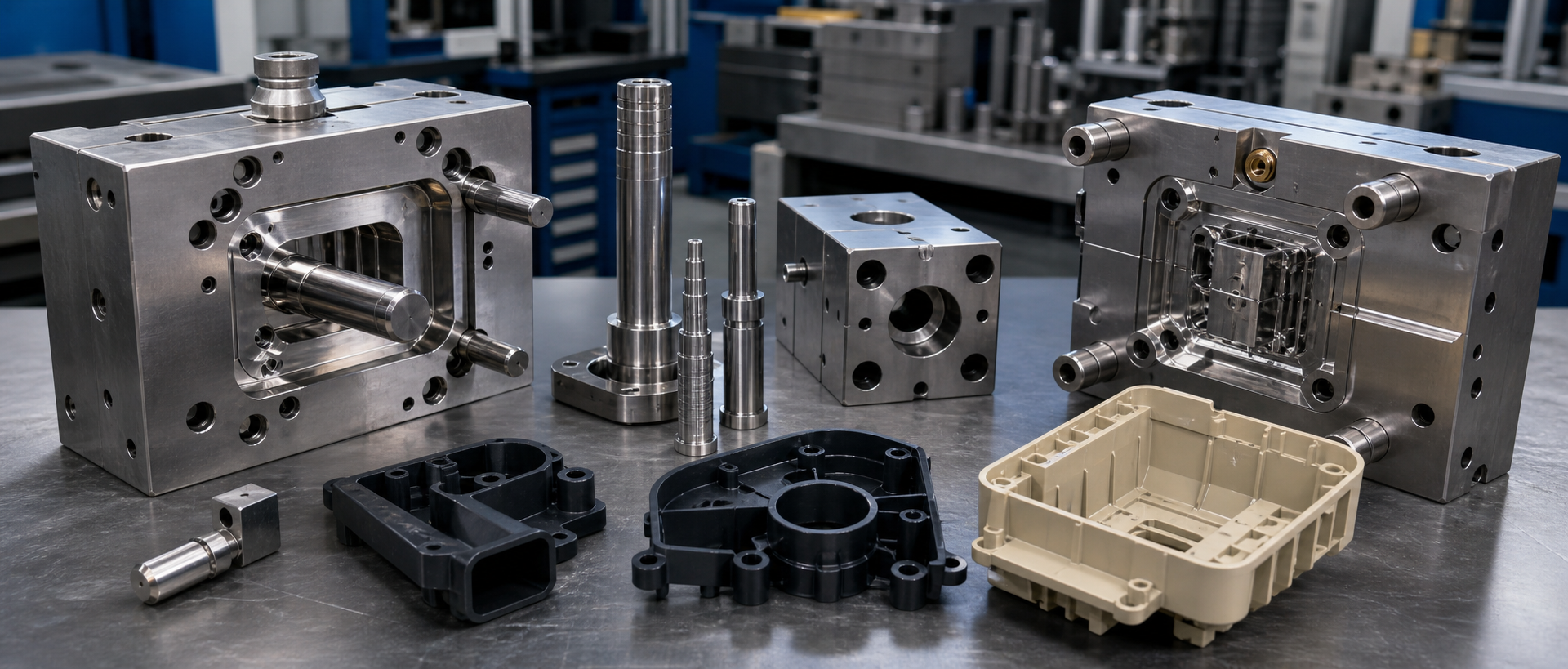
Mold core is the part of the mold that forms the internal shape, holes, undercuts, and other inward features of a molded plastic part. For buyers and engineers, the practical question is not only core vs cavity terminology. It is how core design influences part quality, shrinkage control, cooling, ejection, tooling life, and the material route.
In engineering plastic projects, mold core decisions become more important when the part uses glass-filled nylon, flame-retardant compounds, technical housings, or structural parts with tighter tolerance and stronger geometry demands.
WanHan supports engineering plastic grade review for molded parts where tooling, shrinkage, flow, and finished-part performance must work together. Related routes include the published glass filled nylon guide, PA66 GF30 guide, and electrical housing plastic guide.
What a Mold Core Does
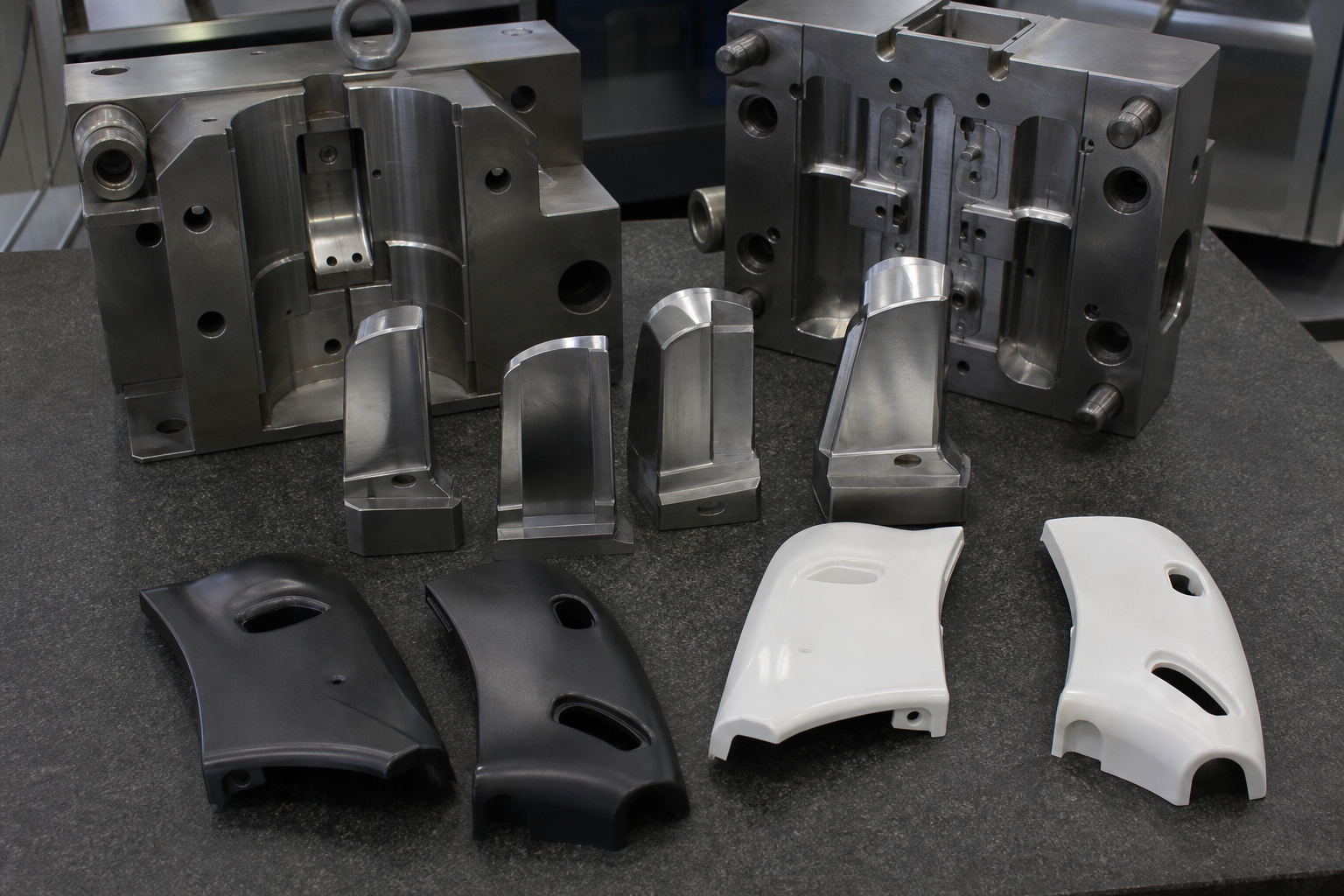
The mold core creates the internal geometry of the molded part. Depending on the part design, it can form bores, ribs, bosses, channels, hollow sections, snap areas, and other technical features that determine how the final component functions in assembly.
Because the core sits at the center of many functional features, it also becomes critical for cooling, venting, ejection, shrinkage behavior, and how the selected plastic flows through the tool.
- The core forms internal part geometry and functional detail
- Core design strongly affects cooling and shrinkage behavior
- Material choice changes core wear, venting demand, and surface outcome
- Filled engineering plastics can place more stress on the tooling route
Mold Core Design Points Buyers Should Notice
| Design point | Why it matters | What the buyer or engineer should confirm |
|---|---|---|
| Internal geometry | Core design controls holes, ribs, cavities, and functional structures | Assembly need, feature depth, and demolding path |
| Cooling and shrinkage | Uneven cooling around the core can distort the part | Tolerance target, wall thickness, and local deformation risk |
| Material interaction | GF, FR, or higher-temperature plastics change flow, wear, and tool stress | Resin family, reinforcement level, and tool durability expectation |
| Ejection and release | The part must leave the core without damage or distortion | Draft angle, texture, and ejection stress |
Why Core Design and Material Selection Belong Together
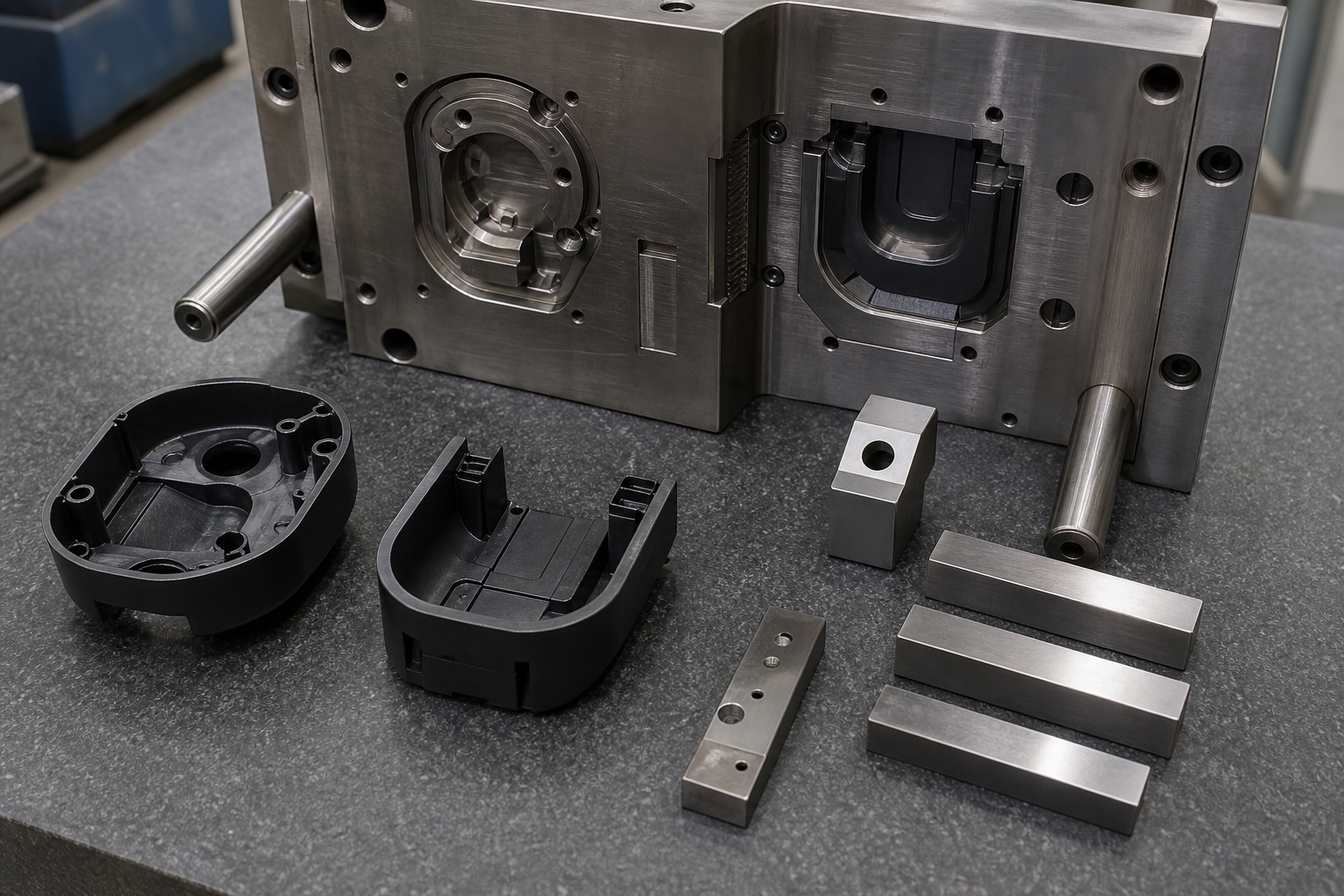
In many projects, tooling and resin are discussed separately, but they should not be. A mold core designed around one shrinkage pattern or one flow behavior may respond very differently if the final grade becomes glass-filled nylon, FR engineering plastic, or another high-performance resin.
This matters especially for electrical housings, brackets, structural molded parts, and assembly-critical components where internal geometry controls function.
- Glass-filled materials can increase core wear and flow-direction sensitivity
- Flame-retardant systems can affect flow and surface behavior around internal features
- Moisture-sensitive nylons may change final fit after conditioning
- The tooling route should be validated together with the real production-grade material
Applications Where Mold Core Accuracy Matters Most
Mold core quality becomes especially important in connectors, pump parts, appliance internal structures, technical enclosures, and industrial components that depend on internal functional detail rather than simple outer shape alone.
In those parts, the core is often the reason a project succeeds or becomes unstable in production.
- Electrical connectors, technical housings, and insulating structures
- Pump, valve, and fluid-system molded parts
- Appliance structures with internal mounting detail
- Industrial parts requiring stable inner geometry and repeat assembly fit
Why Choose WanHan
Since 2005, WanHan has created engineering plastics for sustainable industrial applications, with independent R&D, production, and sales of functional polymer materials.
WanHan is certified with ISO 9001, ISO 14001, ISO 45001, and IATF 16949. Full sets of testing equipment support engineering plastic selection for projects where mold design, shrinkage control, and final part performance must align.
- PA, PBT, PC/ABS, GF, FR, and custom modified engineering plastic support
- Material review based on tooling behavior, molded-part geometry, and end-use condition
- Sampling support for technical molded parts with internal geometry and tolerance risk
Request Material Support
Send the part application, inner feature requirements, wall thickness, tolerance target, reinforcement or FR requirement, and any molding issue already seen in tooling or trial parts. WanHan can help align material choice with molded-part and tooling behavior.
Contact WanHan for molded-part material support
Frequently Asked Questions
Q: What is a mold core?
A: A mold core is the part of the mold that forms the internal geometry and inward features of a molded plastic part.
Q: What is the difference between a mold core and a cavity?
A: The cavity mainly forms the outer shape of the part, while the core creates the inner shape, holes, channels, and internal functional detail.
Q: Why does core design matter for engineering plastics?
A: Core design affects cooling, shrinkage, release, tooling wear, and how reinforced or technical materials perform in the mold.
Q: Do glass-filled plastics create more tooling stress?
A: Yes. Glass-filled materials can increase wear and make flow, shrinkage, and internal-feature behavior more sensitive to the tooling route.
Q: Can WanHan help review material choice for core-sensitive molded parts?
A: Yes. WanHan can help compare engineering plastic options according to part geometry, internal features, molding behavior, and end-use needs.
What is intelligent injection molding machinery?
Raw material preparation in injection molding process
Related Article



