
What is injection molding?
author: WanHan Technology
2023-12-14
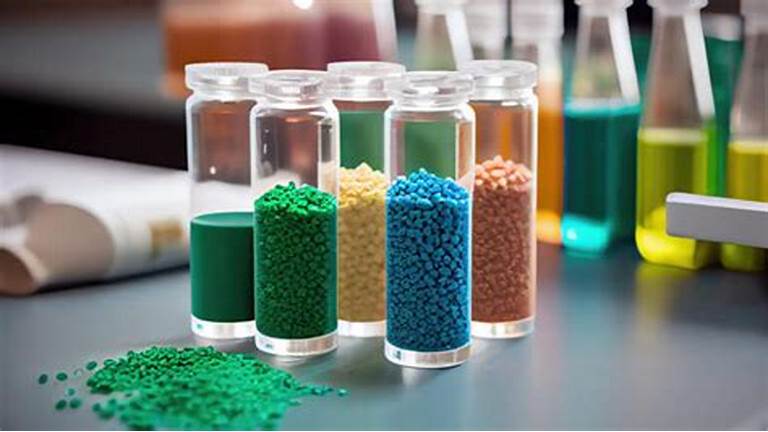
Injection Molding is a common plastic manufacturing process that is widely used in the production of various plastic products. The process involves injecting molten plastic into a mold under high pressure, which cools and opens to form the desired part or product.
The following are the basic steps and principles of injection molding:
Raw material pretreatment: Plastic pellets or granular raw materials first need to be pretreated. This may include heating the plastic pellets to melt them and adding any necessary additives or colors to them.
Injection: The pretreated plastic is injected into a closed metal mold through a heated nozzle. The design of the mold usually reflects the shape of the final product.
Pressure Injection: Once the plastic is in the mold, it is injected under high pressure, filling all the spaces within the mold. This ensures accuracy and consistency in the final product.
Cooling: Once the plastic fills the mold, it is cooled to solidify into the shape. The length of cooling time depends on the type and thickness of the material.
Mold Opening: Once cooling is complete, the mold opens and the formed part is ejected. This process is usually done automatically.
Pickup and Processing: Molded parts may require subsequent processing, such as removing possible injection lanes, trimming edges, or other surface treatments.
Advantages of injection molding include:
High efficiency: This is an efficient and highly automated production method.
Accuracy: Very precise part sizes and shapes can be achieved.
Mass production: Suitable for mass production with relatively low cost.
However, injection molding also has some limitations, such as it may not be economical for small batch production and may not be suitable for certain products with complex geometries.
What are the injection molding processes of plastic granules?
What is glass filled nylon?
Related Article
Nylon is a common class of synthetic polymer materials, and there are several models.
Nylon plastic main models
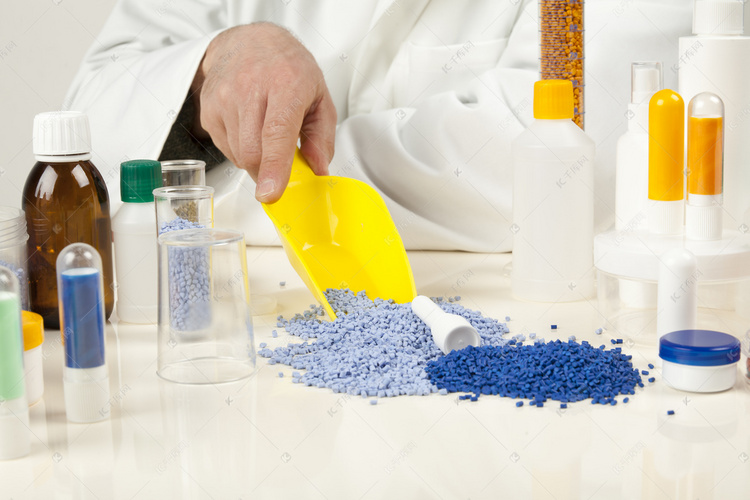
ABS (Acrylonitrile Butadiene Styrene) is a commonly used engineering plastic. It is a copolymer composed of acrylonitrile (Acrylonitrile), butadiene (Butadiene) and styrene (Styrene).What types of ABS material are there?1. Standard ABS: This is the most common ABS...
ABS material Acrylonitrile Butadiene Styrene
SEND MESSAGE