
ABS Material: Properties, Uses, and Injection Molding Guide
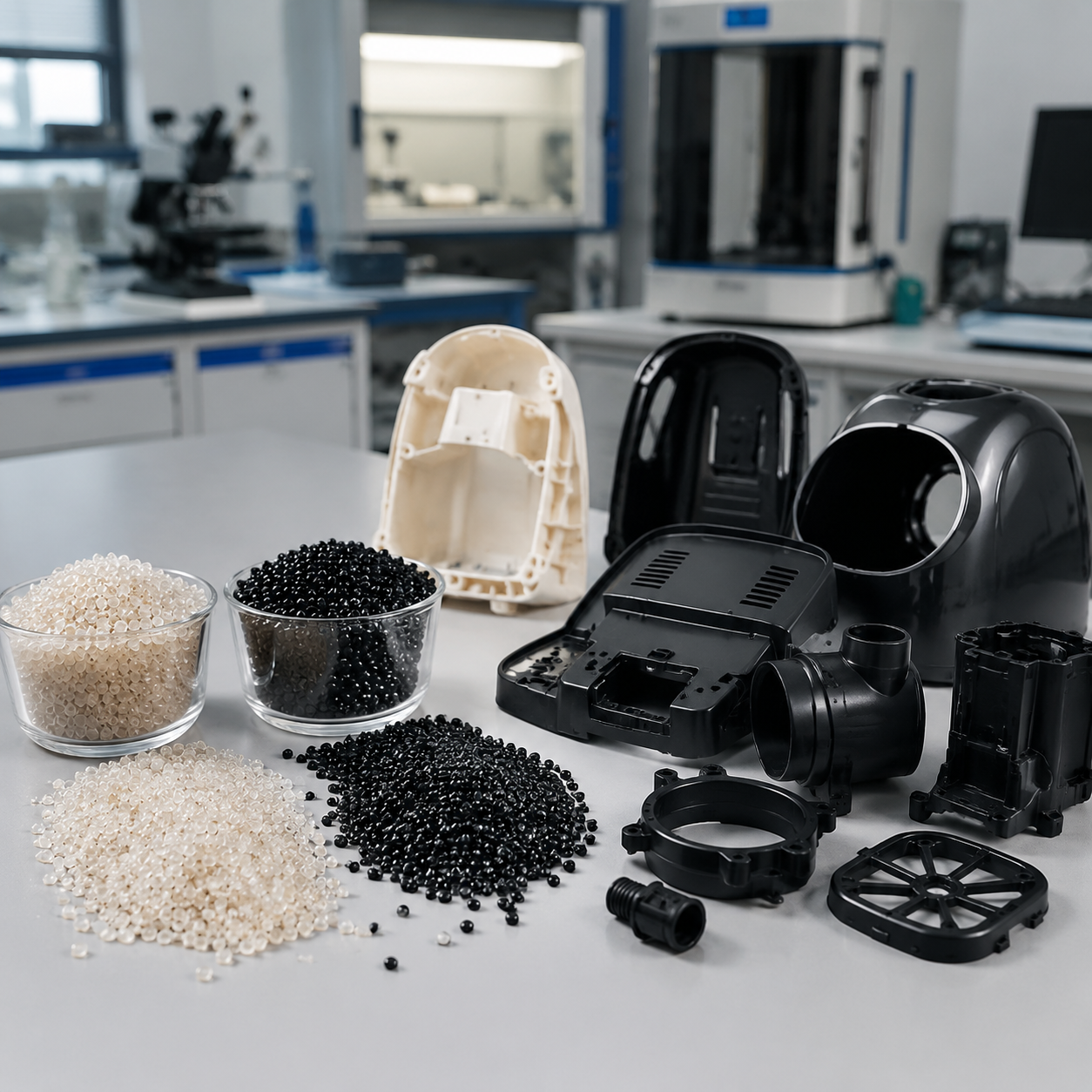
ABS Material: Properties, Uses, and Injection Molding Guide
ABS material is a widely used thermoplastic based on acrylonitrile butadiene styrene. It is valued for a practical balance of impact resistance, rigidity, surface appearance, processability, and cost. The right ABS grade can support appliance housings, electronic covers, automotive trim, industrial enclosures, and many other injection molded parts.
When a project asks what is ABS material, the useful answer is not only the polymer name. The final performance also depends on the rubber content, additives, color package, flame-retardant system, processing conditions, part geometry, and service environment.
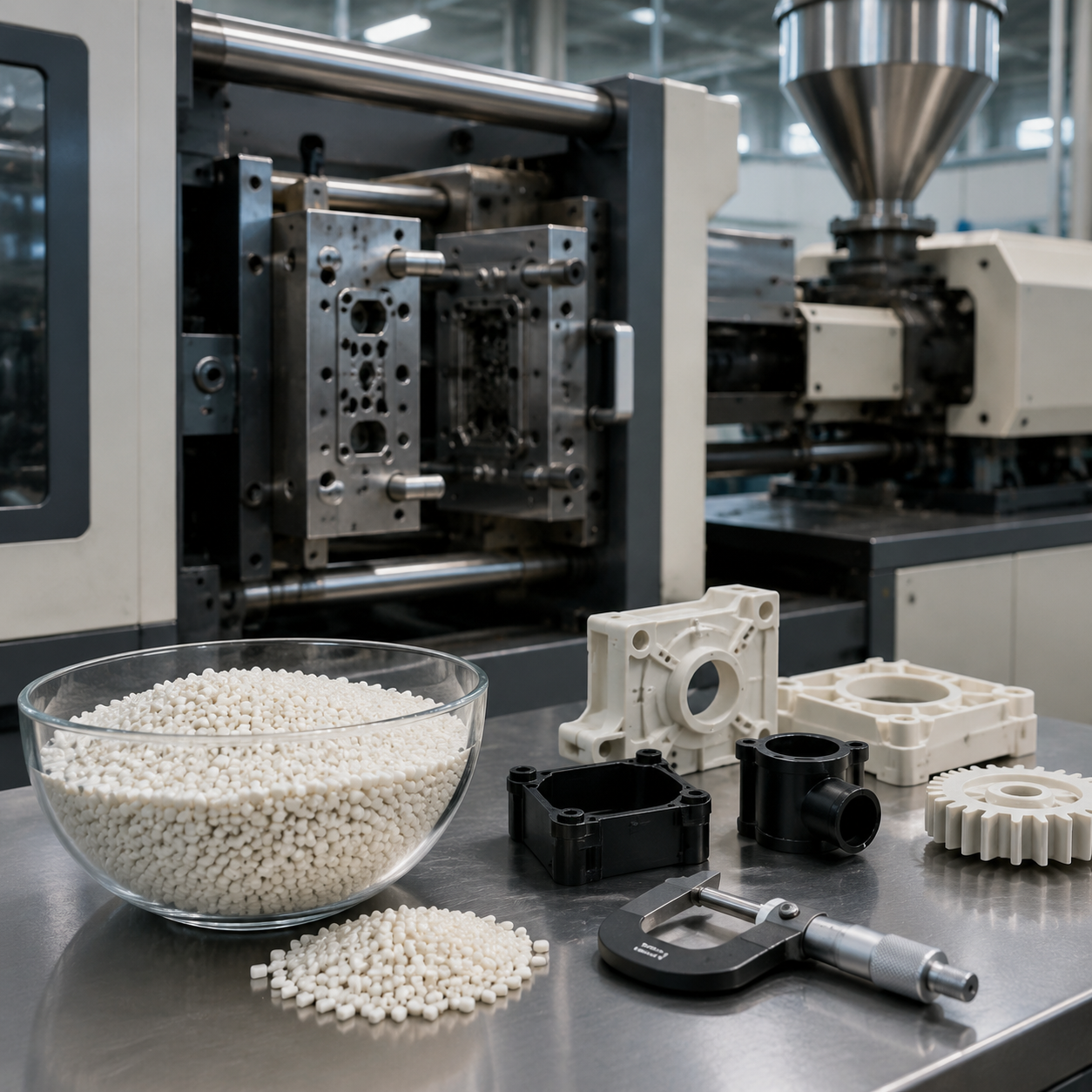
ABS Plastic Properties
ABS plastic properties can be adjusted across a broad range. Standard grades usually provide good impact balance and a smooth, moldable surface. High-impact grades increase toughness, while heat-resistant, flame-retardant, UV-stabilized, electroplatable, and glass-filled options address more specific requirements.
| Selection factor | What ABS can offer | What should be checked |
|---|---|---|
| Impact and toughness | Useful resistance to everyday impact and handling loads | Temperature, notch sensitivity, wall thickness, and weld lines |
| Appearance | Good color development and surface finish for visible parts | Gloss, texture, flow marks, paint, plating, and color consistency |
| Processing | Broad injection-molding window for many standard grades | Drying, melt temperature, residence time, and mold temperature |
| Special performance | FR, heat-resistant, UV-stabilized, and other modified grades | Target rating, additive compatibility, and long-term aging |
Where ABS Material Is Used
ABS is commonly used for appliance panels, electronic housings, instrument bezels, interior automotive parts, protective covers, control boxes, and industrial components. It is especially useful when a part needs a controlled appearance and balanced mechanical performance rather than the highest continuous-use temperature.
Standard ABS should not be treated as a universal solution. For outdoor exposure, higher heat, aggressive chemicals, or a flame requirement, a modified grade or another polymer family may be more suitable.
ABS Injection Molding Considerations
- Dry the pellets according to the exact grade data sheet and keep dried material protected from ambient moisture.
- Set melt and mold temperatures to balance flow, surface finish, cycle time, and thermal history.
- Review gate location, wall transitions, ribs, bosses, and venting to reduce weld-line and sink-mark risk.
- Validate the molded part under the real impact, heat, chemical, color, and appearance conditions.
For deeper processing detail, review the ABS injection molding guide, ABS melting point guide, and ABS vs PC-ABS comparison. For grade options, visit WanHan's ABS resin catalog and ABS FR material page.
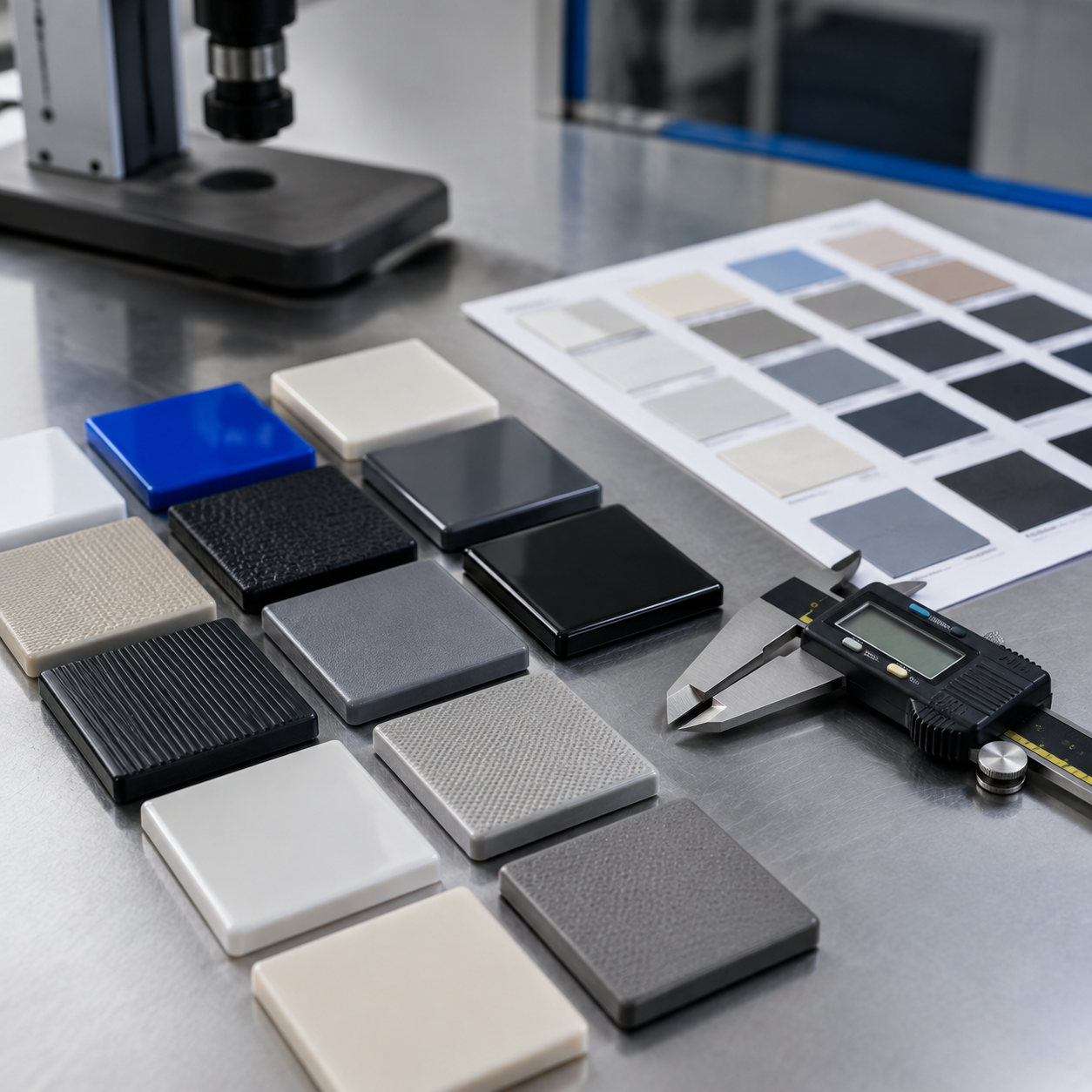
Why Choose WanHan for Engineering Plastic Projects?
Since 2005, WanHan has developed and manufactured functional engineering plastic compounds for automotive, electronics, home appliance, and industrial applications. Independent R&D, production, and sales capabilities support practical material selection from initial specification through repeat production.
Our ISO 9001, ISO 14001, ISO 45001, and IATF 16949 management systems support controlled production and consistent testing. In-house testing equipment, export experience across more than 30 countries, and application-focused technical support help reduce material-selection risk.
- Custom compounding for glass fiber, carbon fiber, mineral-filled, flame-retardant, impact-modified, anti-UV, and color-customized grades.
- Material matching support for OEM, injection molding, and product development programs.
- Technical data, samples, processing guidance, and quality documentation for validation.
- Export-ready packaging and responsive support for long-term B2B supply projects.
WanHan can compare standard ABS, flame-retardant ABS, impact-modified ABS, and other engineering plastic routes according to appearance, heat, impact, flame, and molding requirements.
Share the application, part drawing, annual volume, target properties, or existing grade through WanHan's inquiry page. Our team can recommend a suitable compound and arrange sample evaluation.
Frequently Asked Questions
Q: What is ABS material?
A: ABS material is a thermoplastic made from acrylonitrile, butadiene, and styrene. It is used for a balanced combination of impact resistance, rigidity, appearance, and injection-molding processability.
Q: What are the main ABS plastic properties?
A: Common ABS plastic properties include good impact balance, rigidity, surface appearance, colorability, and practical injection-molding behavior. The exact values depend on the grade and test method.
Q: What products use ABS material?
A: ABS material is used for appliance housings, electronic covers, automotive interior parts, instrument bezels, industrial enclosures, and other molded components.
Q: Does ABS need drying before injection molding?
A: ABS grades may require controlled drying, especially after storage in humid conditions. The exact drying temperature and time should follow the grade supplier data sheet.
Q: Can WanHan provide ABS resin samples?
A: Yes. WanHan can recommend standard, flame-retardant, impact-modified, heat-resistant, or color-customized ABS compounds and arrange samples for validation.
PA6 Material: Nylon 6 Properties, Uses & Grades | WanHan
Engineering Plastics vs Metal: Material Selection Guide
Related Article



