
ABS Melting Point Guide: Temperature Range, Processing Window, and Key Design Factors
ABS Melting Point Guide: Temperature Range, Processing Window, and Key Design Factors
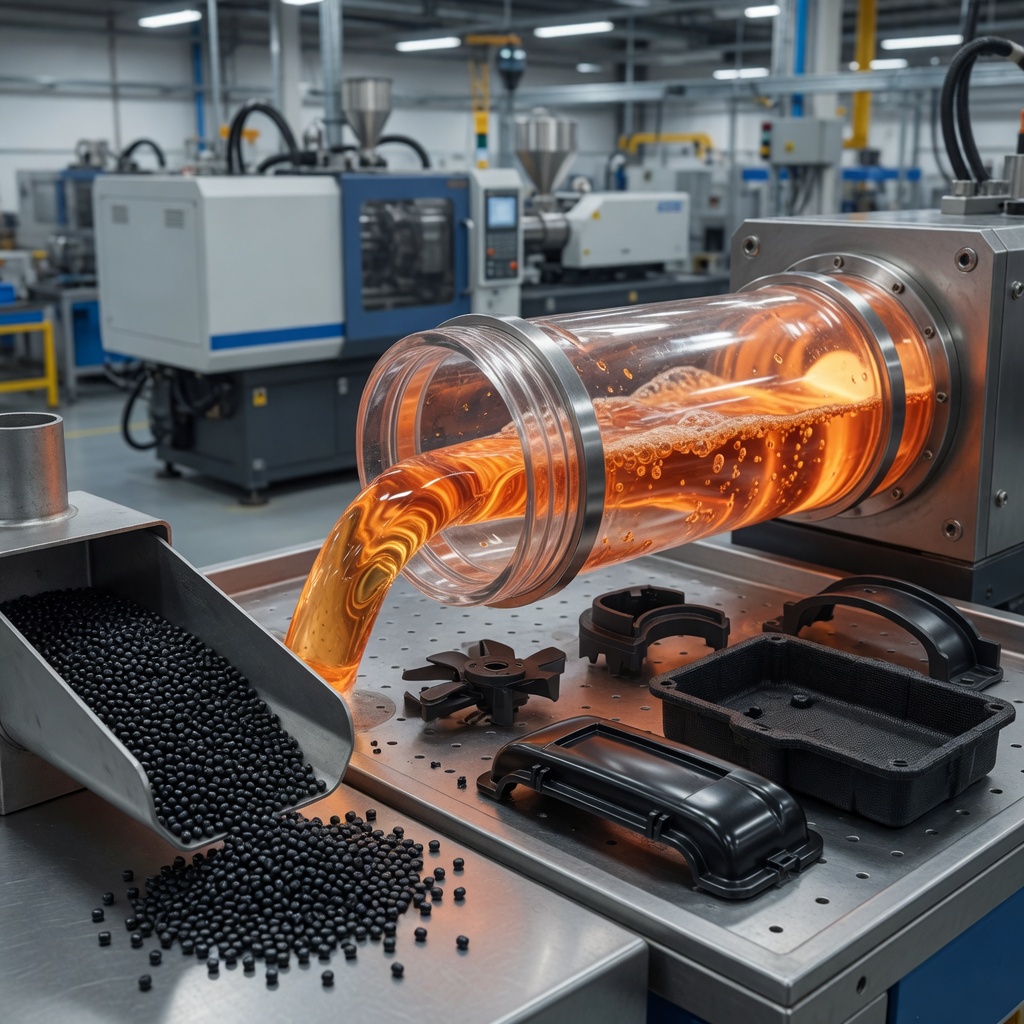
When engineers, molders, or product teams search for the ABS melting point, they usually want a practical processing answer rather than a textbook definition. The short answer is that ABS does not have one sharp crystalline melting point because it is an amorphous thermoplastic. Instead, it softens over a temperature range, and the common melt processing window for injection molding is typically around 200 C to 260 C depending on the grade, machine, part geometry, and quality target.
Quick Answer: What Is the ABS Melting Temperature?
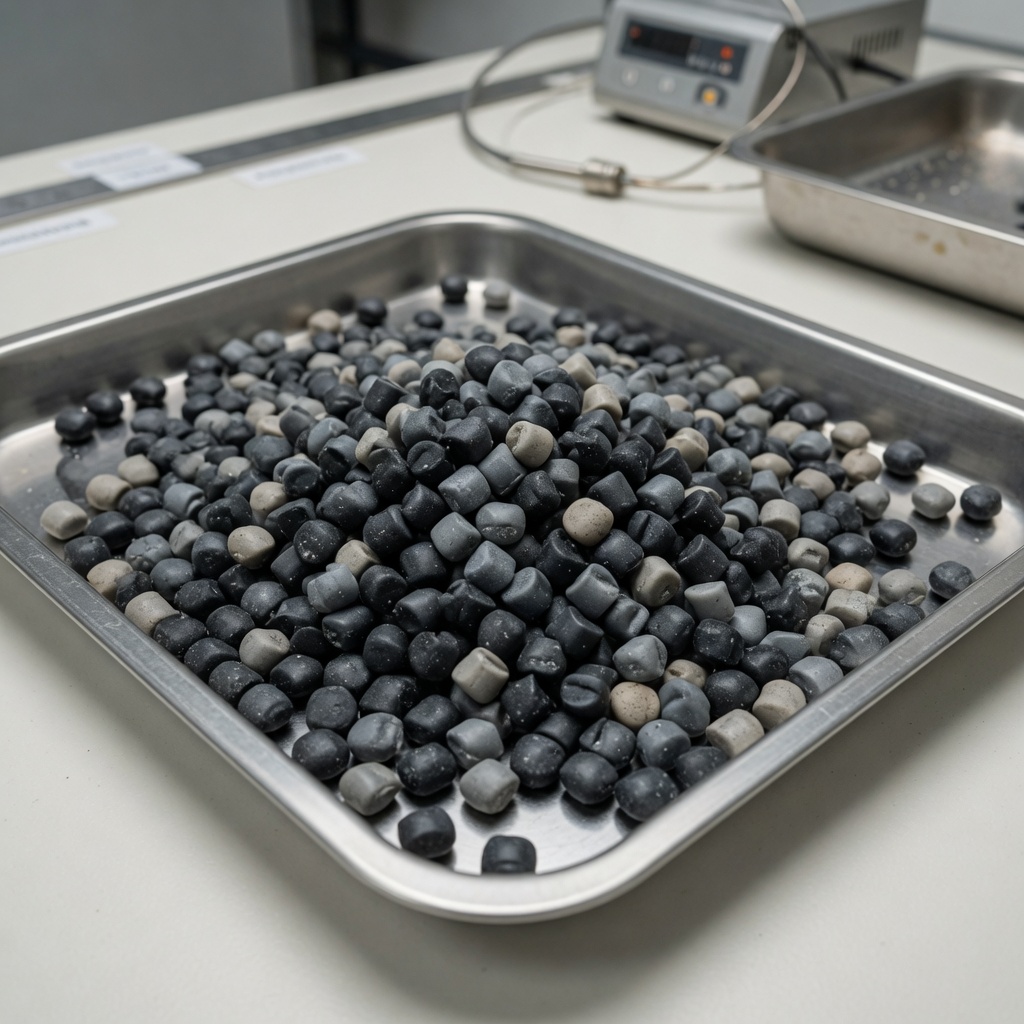
ABS is best described by a softening and processing range instead of one exact melting point. In daily production work, the most useful reference points are:
- Typical melt processing temperature: about 200 C to 260 C
- Common mold temperature: about 40 C to 80 C
- Typical drying recommendation before molding: about 80 C to 90 C for several hours when needed
- Softening behavior: gradual, because ABS is amorphous rather than crystalline
This is why terms such as ABS melting point, ABS melting temperature, and ABS plastic melt temperature are often used interchangeably in search, even though the material behavior is technically a softening range.
Why ABS Does Not Have One Sharp Melting Point
Unlike semicrystalline plastics, ABS does not transition from solid to liquid at one precise temperature. It softens progressively as heat rises. For processors, this matters because stable part quality depends more on controlling the full molding window than on chasing one exact number.
In practice, the right melt temperature depends on the resin formulation, color masterbatch, flame retardants, recycled content, wall thickness, flow length, and surface finish requirements.
Typical ABS Processing Range for Molding
If the material temperature is too low, the melt may not fill the cavity smoothly and the part can show flow marks, weak weld lines, or incomplete filling. If the temperature is too high, ABS can begin to degrade, which may lead to discoloration, odor, surface defects, or weaker mechanical performance.
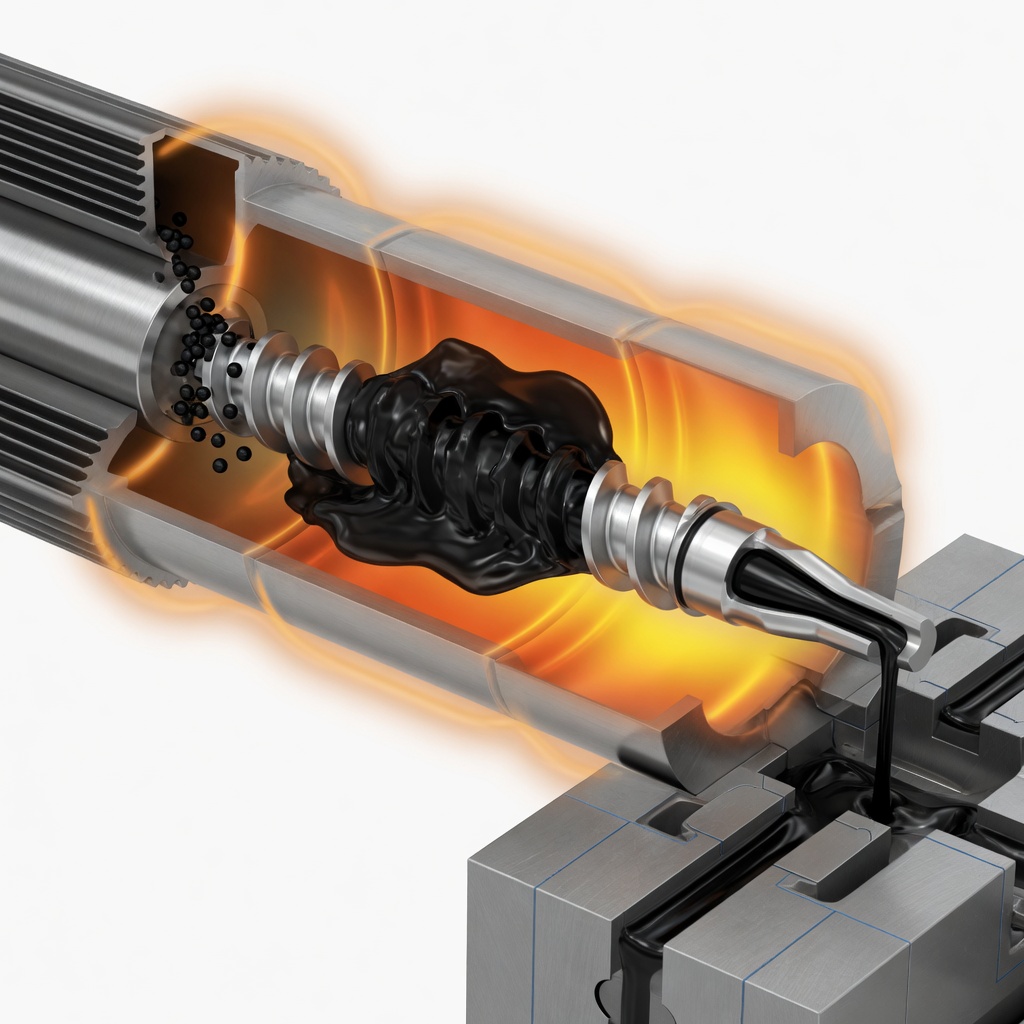
A practical starting window for many general ABS grades is:
- Rear barrel zone: about 180 C to 210 C
- Middle barrel zone: about 200 C to 230 C
- Front barrel zone and nozzle: about 220 C to 250 C
- Final effective melt range at processing: often about 200 C to 260 C
These are working references rather than fixed rules. The final setting should always be adjusted according to the exact grade and part design.
Key Factors That Change the Right ABS Melt Temperature
- Grade selection: high-flow, flame-retardant, heat-resistant, plating, or impact-modified ABS grades may require different settings.
- Part geometry: thin-wall parts often need better flow and more careful temperature control than thick-wall parts.
- Appearance target: glossy visible parts usually need tighter process stability than hidden structural parts.
- Machine condition: screw design, residence time, and shear history all affect the real melt state.
- Moisture and storage: poor drying or poor material handling can create process instability.
How to Avoid Common ABS Processing Problems
For better consistency, keep the melt hot enough for smooth filling but not so high that the resin stays in the barrel too long under excessive heat. If black specks, silver streaks, or yellowing appear, check residence time, contamination, moisture, and over-processing first.
It is also helpful to validate the process together with the final application. A consumer electronics housing, an appliance shell, and an automotive trim part may all use ABS, but they often need different balances of flow, impact strength, heat resistance, and surface quality.

Where ABS Is Commonly Used
ABS remains popular because it offers a practical balance of toughness, appearance, dimensional stability, and processing efficiency. Typical applications include:
- Consumer electronics housings
- Home appliance shells and trim
- Automotive interior components
- Office equipment housings
- General injection molded technical parts
Final Thoughts
If you are evaluating the ABS melting point for production or grade selection, the most useful conclusion is this: ABS should be managed as a softening and molding temperature range, not as one exact melting number. For most molding work, a practical melt window of about 200 C to 260 C is the main reference, but the best result always depends on the exact resin grade and the end-use requirement.
If you are selecting ABS material for an injection molded product, it is worth reviewing flow demand, heat target, impact requirement, and finish expectation before finalizing the grade and process window.
Why Choose WanHan for Engineering Plastic Projects?
Since 2005, WanHan has focused on independent R&D, production, and global sales of functional engineering plastics for more sustainable industrial applications. Certified to ISO 9001, ISO 14001, ISO 45001, and IATF 16949, we operate with complete in-house testing equipment and strict quality control throughout development and production. Our materials are exported to more than 30 countries and are widely used in automotive, electronics, home appliances, and industrial applications that require higher-performance polymer solutions.
- Application-based material selection support for OEM, injection molding, and product development teams.
- Custom compounding capability for glass fiber, flame-retardant, carbon fiber, mineral-filled, impact-modified, anti-UV, and color-customized grades.
- Full quality control with in-house testing equipment and certified systems for more stable repeat orders and production consistency.
- Free sample support, technical data sheets, and processing guidance to shorten validation time before mass production.
- Fast quotation response, export-ready packaging, and practical support for long-term production supply programs.
If you are selecting a resin for a new project or replacing an existing grade, WanHan can help with grade matching, sample preparation, and custom compound evaluation. You can send your target application, part drawing, annual quantity, or required properties through WanHan's inquiry page to get a faster quotation and material recommendation. You can also review top-sale engineering plastic grades for faster project matching.
For ABS molding projects, you can also review WanHan's ABS material guide, ABS resin catalog, and ABS vs polypropylene comparison when balancing flow, appearance, and heat targets.
Frequently Asked Questions
Q: Does ABS have a true melting point?
A: ABS does not have one sharp crystalline melting point because it is an amorphous thermoplastic. In production, it is more practical to work with a softening and processing temperature range.
Q: What is the typical ABS melt processing temperature?
A: For many general ABS grades, a practical melt processing window is about 200 C to 260 C, although the exact setting depends on grade, machine, and part design.
Q: Why can ABS molding temperature vary between grades?
A: ABS molding temperature can vary because flame retardants, color systems, flow modifiers, recycled content, and part geometry all affect the best processing window.
Q: What happens if ABS processing temperature is too high?
A: If ABS is processed too hot or held too long in the barrel, it may discolor, degrade, create odor, or show weaker surface and mechanical performance.
Q: What products commonly use ABS material?
A: ABS is commonly used for electronics housings, home appliance shells, automotive interior parts, office equipment covers, and general injection molded technical components.
Core vs Cavity of Mold: Key Differences in Injection Molding
Halogen-Free Flame-Retardant PA66: Properties, Uses, and Selection
Related Article



