
ABS vs PC-ABS: Material Differences and Selection Guide
ABS vs PC-ABS: Material Differences and Selection Guide
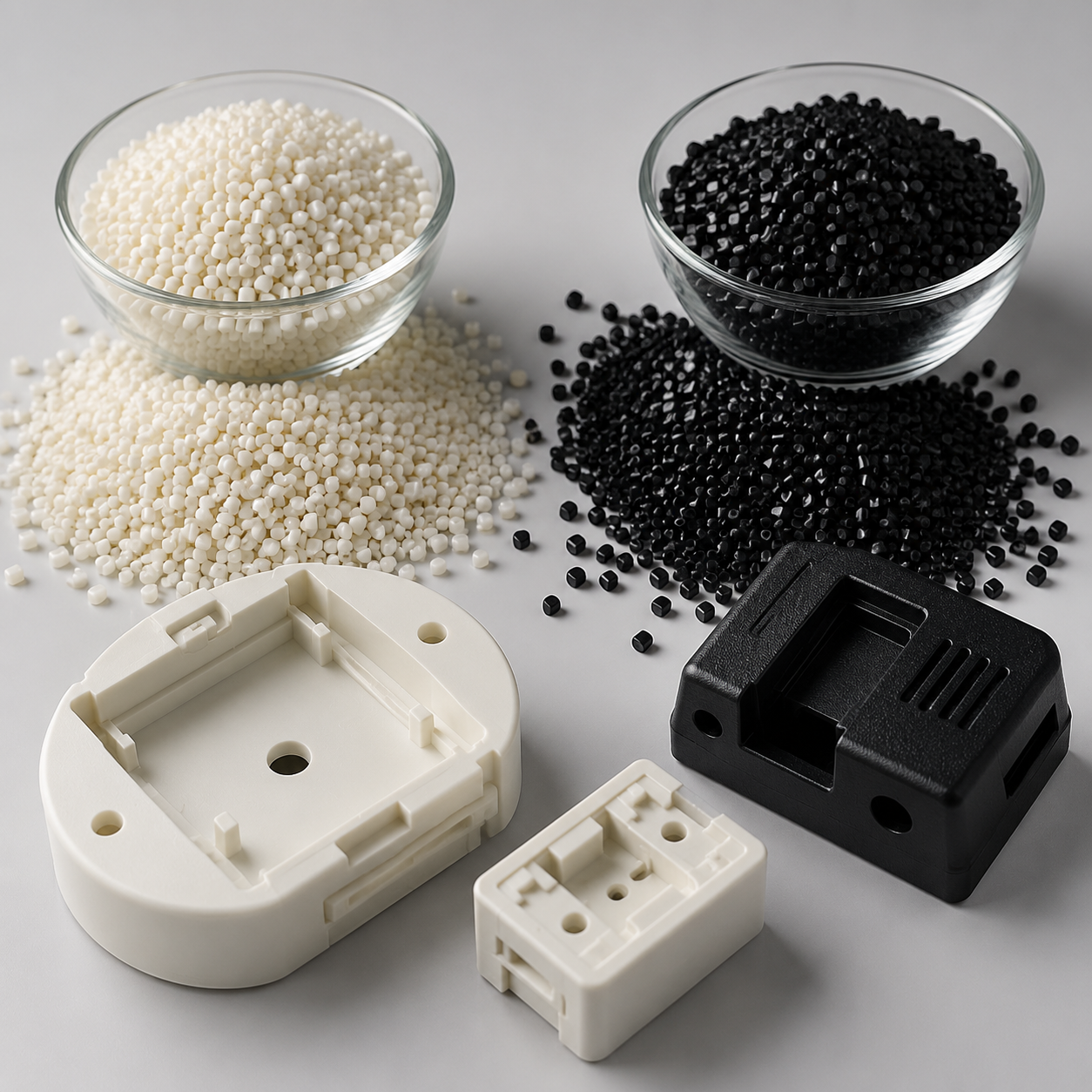
ABS vs PC-ABS is a common material-selection question when buyers need molded housings, covers, or technical shells that balance appearance, impact, and heat performance. ABS is often chosen for practical molding and cost balance, while PC-ABS is considered when the design needs a step up in heat or impact performance.
Both materials are useful. The correct choice depends on the product environment, cosmetic target, wall thickness, and how much mechanical upgrade is actually required.
Main Differences
| Area | ABS | PC-ABS |
|---|---|---|
| Cost and simplicity | Often more practical | Usually higher-performance and higher-cost |
| Heat and impact | Good for many general applications | Often chosen for upgraded performance needs |
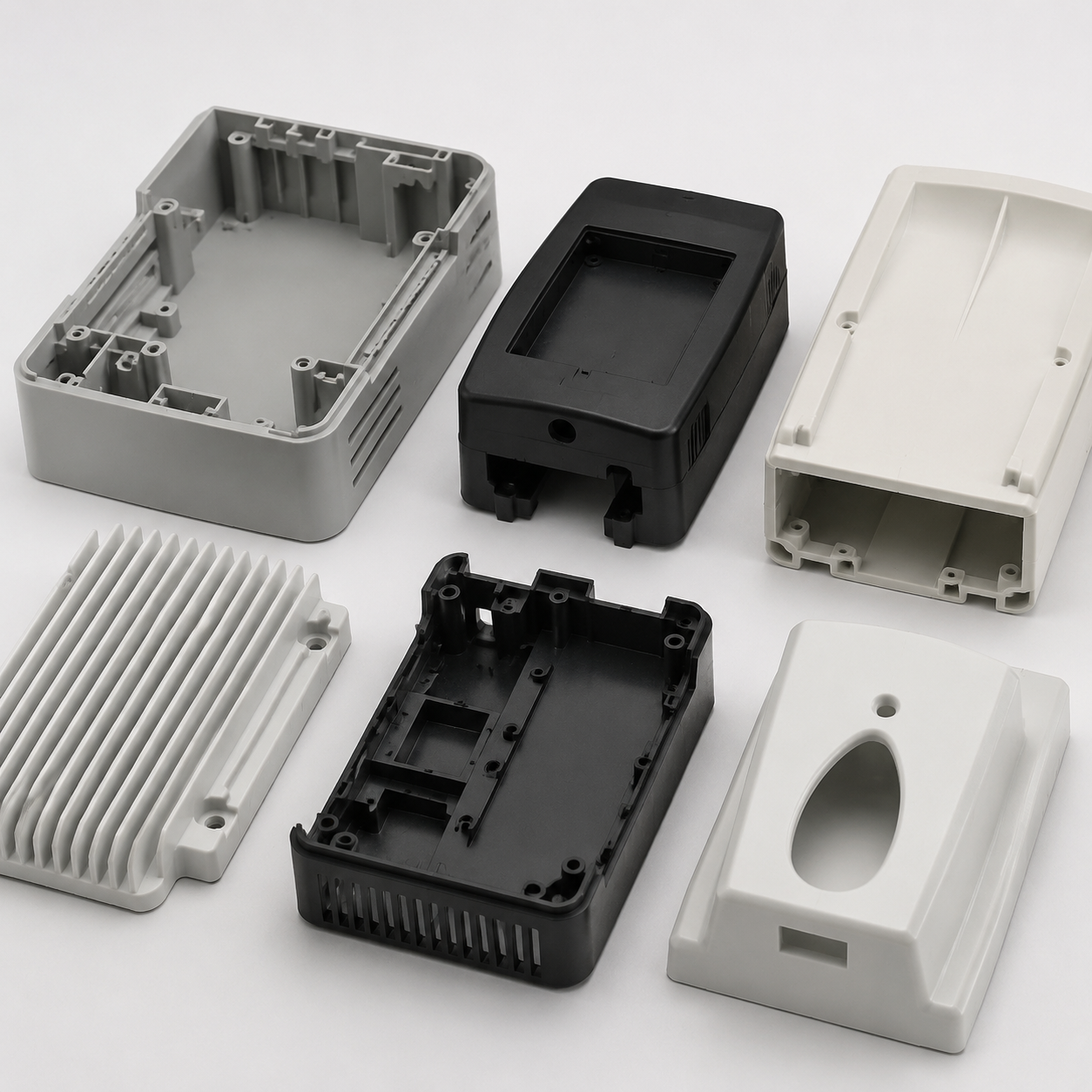
| Appearance parts | Common in visible housings and shells | Also used for premium technical housings |
| Application fit | General molded parts | More demanding housings or technical products |
Typical Use Cases
- ABS for appliance and consumer-product housings
- PC-ABS for tougher technical shells and interior components
- Both for appearance-sensitive molded parts
For background, it helps to review the ABS material guide, the PC-ABS guide, and the PC vs ABS comparison before locking a grade.
How Buyers Usually Decide
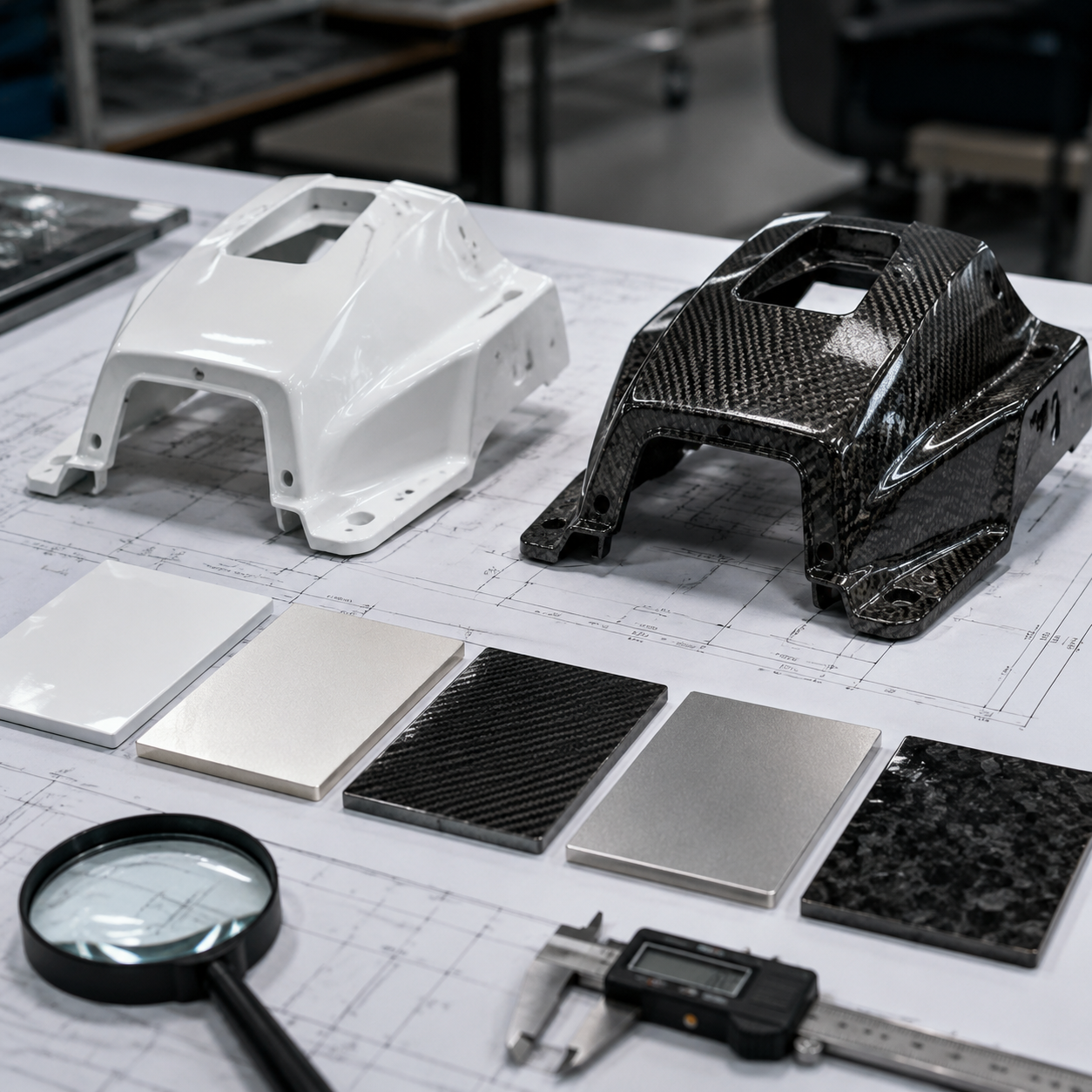
If the application mainly needs practical molding, decent toughness, and cost control, ABS may be enough. If the design needs higher impact or heat resistance without moving into much higher-end resin families, PC-ABS often becomes the better fit. Sample validation should reflect real-use temperature, drop risk, and cosmetic expectations.
For grade matching, teams often compare WanHan's ABS catalog, PC-ABS catalog, and the broader ABS molding guide before requesting samples.
Why Choose WanHan for Engineering Plastic Projects?
Since 2005, WanHan has focused on independent R&D, production, and global sales of functional engineering plastics for more sustainable industrial applications. Certified to ISO 9001, ISO 14001, ISO 45001, and IATF 16949, we operate with complete in-house testing equipment and strict quality control throughout development and production. Our materials are exported to more than 30 countries and are widely used in automotive, electronics, home appliances, and industrial applications that require higher-performance polymer solutions.
- Application-based material selection support for OEM, injection molding, and product development teams.
- Custom compounding capability for glass fiber, flame-retardant, carbon fiber, mineral-filled, impact-modified, anti-UV, and color-customized grades.
- Full quality control with in-house testing equipment and certified systems for more stable repeat orders and production consistency.
- Free sample support, technical data sheets, and processing guidance to shorten validation time before mass production.
- Fast quotation response, export-ready packaging, and practical support for long-term B2B supply projects.
If you are selecting a resin for a new project or replacing an existing grade, WanHan can help with grade matching, sample preparation, and custom compound evaluation. You can send your target application, part drawing, annual quantity, or required properties through WanHan's inquiry page to get a faster quotation and material recommendation. You can also review top-sale engineering plastic grades for faster project matching.
WanHan can help determine whether a project really needs PC-ABS or whether a well-matched ABS grade can meet the target with lower complexity and cost.
Frequently Asked Questions
Q: What is the difference between ABS and PC-ABS?
A: ABS is often chosen for practical molding and cost balance, while PC-ABS is usually selected when higher impact or heat performance is needed.
Q: Is PC-ABS stronger than ABS?
A: PC-ABS is often chosen as a performance upgrade when the application needs more demanding impact or heat behavior than ABS alone usually provides.
Q: When should ABS be used instead of PC-ABS?
A: ABS is often suitable when the part needs good appearance and practical molding without needing the extra performance step of PC-ABS.
Q: Are ABS and PC-ABS both used for housings?
A: Yes. Both are widely used for molded housings, covers, and appearance-sensitive technical parts.
Q: Can WanHan help compare ABS and PC-ABS grades?
A: Yes. WanHan can help compare ABS and PC-ABS grades based on appearance, toughness, heat level, and molded-part application needs.
PBT Meaning: What Polybutylene Terephthalate Is Used For
Electrical Connector Material: PA66, PBT, PPS, and FR Plastic Guide
Related Article



