PA6 vs PA66: Key Differences and Applications
Comparison of PA6 and PA66 Properties
PA6 and PA66 are two popular types of nylon. They are widely used in engineering and manufacturing.
Both materials offer unique properties that make them suitable for various applications. Understanding their differences is crucial for selecting the right one.
PA6, also known as Nylon 6, is known for its flexibility and impact resistance. PA66, or Nylon 66, is favored for its strength and thermal stability.
This article will explore the properties, applications, and differences between PA6 and PA66. By the end, you'll know which material suits your needs best.
What Are PA6 and PA66?
PA6 and PA66 are both types of polyamides, commonly known as nylons. These engineering plastics have broad applications due to their durability and strength.
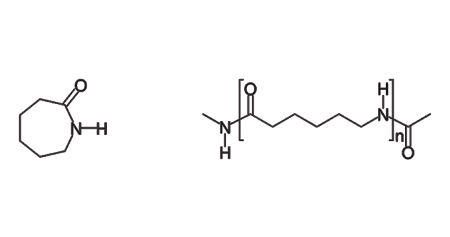
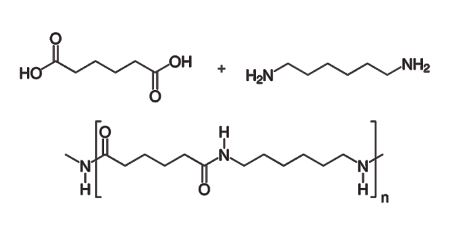
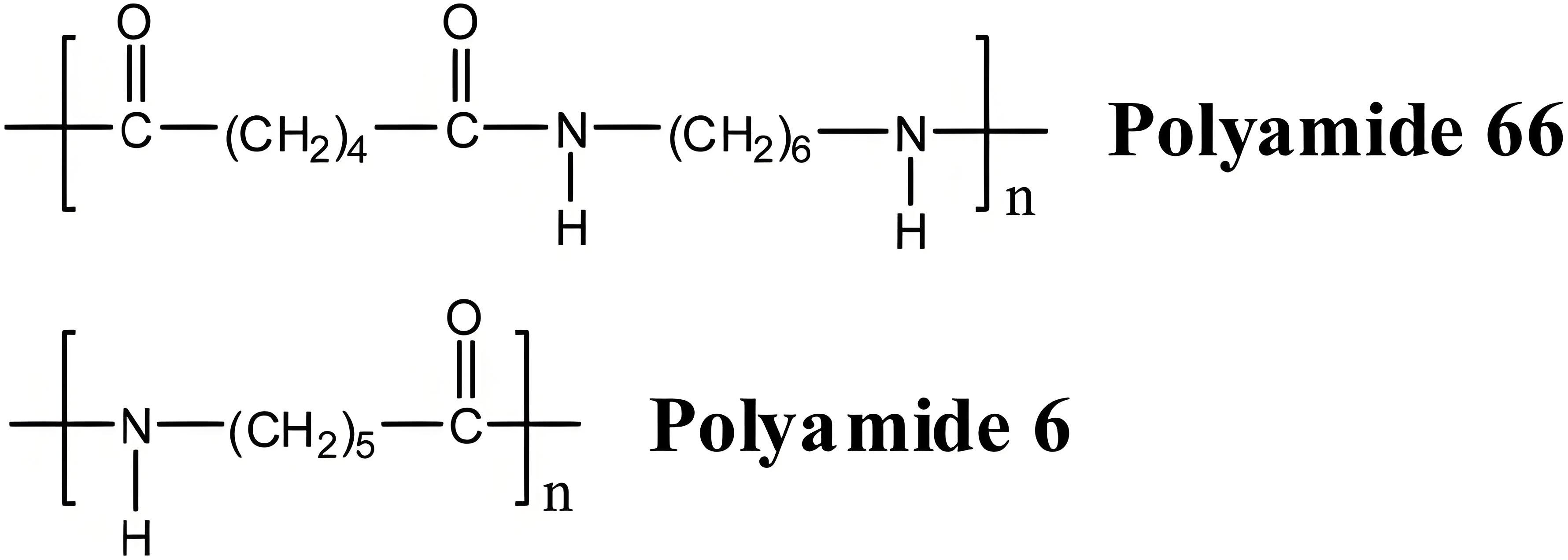
PA6, or Nylon 6, is produced by polymerizing caprolactam. This process gives it a unique set of properties, including flexibility and impact resistance. PA66, known as Nylon 66, is formed from hexamethylenediamine and adipic acid, offering impressive mechanical strength.
Key Differences:
-
- Production Process:PA6: Polymerization of caprolactam
- PA66: Combination of hexamethylenediamine and adipic acid
- Applications:PA6 is favored in textiles, PA66 shines in engineering components.
Chemical Structure and Production
The chemical makeup of PA6 and PA66 greatly impacts their properties. PA6 is a single monomer chain formed from caprolactam. This gives it enhanced flexibility.
In contrast, PA66 consists of two monomers: hexamethylenediamine and adipic acid. This dual-chain structure increases rigidity and strength.
Distinguishing Aspects:
-
- Monomer Composition:PA6: Caprolactam
- PA66: Hexamethylenediamine and adipic acid
- Chain Structure:PA6: Single, less rigid chain
- PA66: Dual, more sturdy chain
Key Physical and Mechanical Properties
PA6 and PA66 possess unique physical and mechanical characteristics. These differences dictate their suitability for specific applications. Understanding these properties is crucial for material selection.
PA6 offers better flexibility due to its less crystalline structure. It performs well in applications requiring impact resistance.
Conversely, PA66 showcases superior tensile strength. Its higher crystallinity contributes to this strength, making it ideal for demanding environments.
Noteworthy Properties:
-
- Flexibility and Impact:PA6: Superior flexibility
- PA66: Better for rigid applications
- Tensile Strength:PA6: Lower tensile strength
- PA66: Higher tensile strength, better rigidity
 vs
Melting Point and Thermal Performance
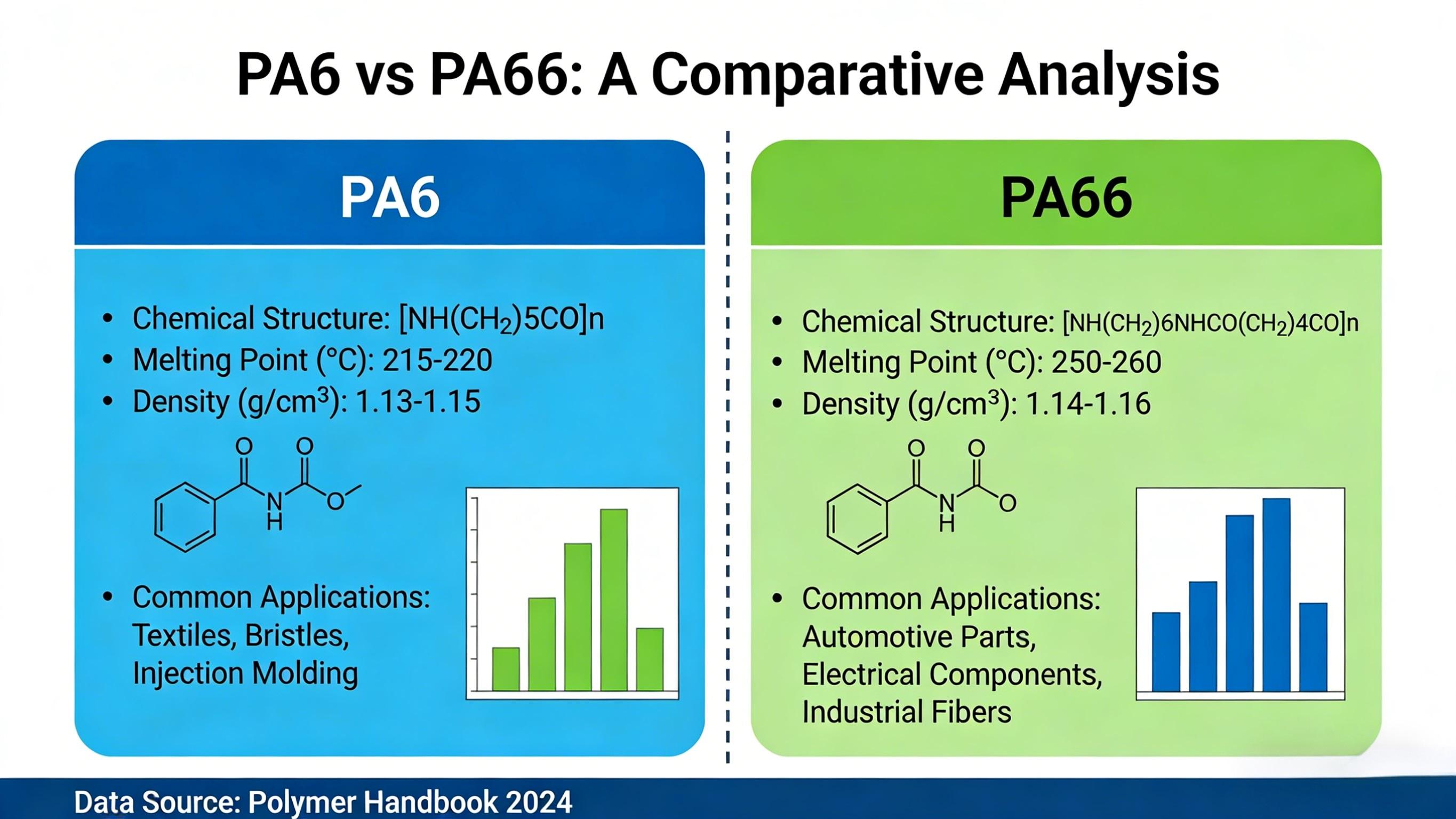
Melting point is a key factor in choosing between PA6 and PA66. PA6 melts at around 220°C, making it easier to process.
PA66, with a higher melting point of 260°C, offers better thermal stability. This makes it suitable for high-temperature applications.
Thermal Properties:
-
- Melting Point:PA6: ~220°C
- PA66: ~260°C
- Thermal Stability:PA6: Lesser thermal stability
- PA66: Enhanced stability
Strength, Stiffness, and Impact Resistance
Strength and stiffness are vital when deciding between these nylons. PA66 excels in both, thanks to its crystallinity.
PA6, on the other hand, demonstrates greater impact resistance. Its softer nature caters well to dynamic loads.
Mechanical Comparison:
-
- Strength:PA6: Moderate tensile strength
- PA66: High tensile strength
- Impact Resistance:PA6: High resistance
- PA66: Less flexible under impact
Moisture Absorption and Dimensional Stability
Moisture absorption affects the performance of polyamides. PA6 absorbs more moisture than PA66, influencing its properties.
This absorption can compromise dimensional stability, which is more stable in PA66. However, PA6 offers better flexibility under moisture influence.
Moisture and Dimensional Stability:
-
- Moisture Absorption:PA6: Higher absorption
- PA66: Lower absorption
- Stability:PA6: Less stability
- PA66: More stability
Chemical and Wear Resistance
Chemical resistance is crucial for durability. PA6 generally has superior resistance to oils and chemicals.
Meanwhile, PA66 outperforms in wear resistance. It withstands abrasive conditions better than PA6, suitable for mechanical applications.
Chemical and Wear Qualities:
-
- Chemical Resistance:PA6: Highly resistant
- PA66: Moderate resistance
- Wear Resistance:PA6: Moderate wear resistance
- PA66: High wear resistance
Processing and Manufacturing Considerations
The processing of PA6 and PA66 presents unique advantages and challenges. PA6 is known for its easier processing due to its lower melting point. This makes it ideal for injection molding and extrusion processes.
PA66 requires higher temperature control during manufacturing. Its high melting point demands more precise equipment and conditions.
Key processing considerations include:
-
- Melting Temperatures:PA6: Easier due to 220°C melting point
- PA66: Requires precision at 260°C
- Molding Preferences:PA6: Easy molding
- PA66: Needs refined processing conditions

Both materials can be reinforced to enhance properties. Glass fiber reinforcements are popular for increasing strength and rigidity in both nylons.
Applications of PA6 and PA66
PA6 and PA66 find wide use in many industries. Their unique properties make them suitable for varied applications. The automotive sector uses both types extensively.
PA6 is favored in producing films and textiles. Its softness makes it suitable for fabrics and carpets.
PA66 is known for engineering components due to its high mechanical strength. It is essential in making gears and bearings.
Key applications:
- Automotive Parts
- Textiles and Fabrics (PA6)
- Engineering Components (PA66)
- Consumer Goods

Both materials serve well in demanding environments. Their versatility leads to innovation across industries.
Cost and Availability
PA6 typically costs less than PA66 due to simpler production. Its lower price makes it attractive for mass-market applications.
PA66 offers superior properties, reflecting in higher costs. However, its availability supports advanced applications.
Cost Considerations:
- PA6 is more economical
- PA66 offers advanced performance
Environmental Impact and Recycling
Both PA6 and PA66 contribute to sustainable practices through recycling. This process reduces environmental footprints and lowers resource consumption.
Recycling Considerations:
- Both types can be recycled
- Reduces material waste
- Supports sustainability efforts
How to Choose: PA6 vs PA66 for Your Application
Selecting between PA6 and PA66 depends on your application's specific needs. Consider factors like mechanical stress and environmental conditions.
Selection Tips:
- Prioritize impact resistance with PA6
- Choose PA66 for higher strength
- Account for operational temperatures
Conclusion
Understanding the nuances of PA6 versus PA66 is essential for making an informed choice. Each material brings unique strengths tailored to specific applications. By considering factors such as thermal performance, mechanical properties, and environmental impact, you can determine which nylon suits your needs best.
PA6 Nylon: The Underestimated King of High-Performance Engineering Plastics
Main types and characteristics of nylon 6
Related Article