PA6-CF vs PET-CF: Moisture, Stiffness and Processing
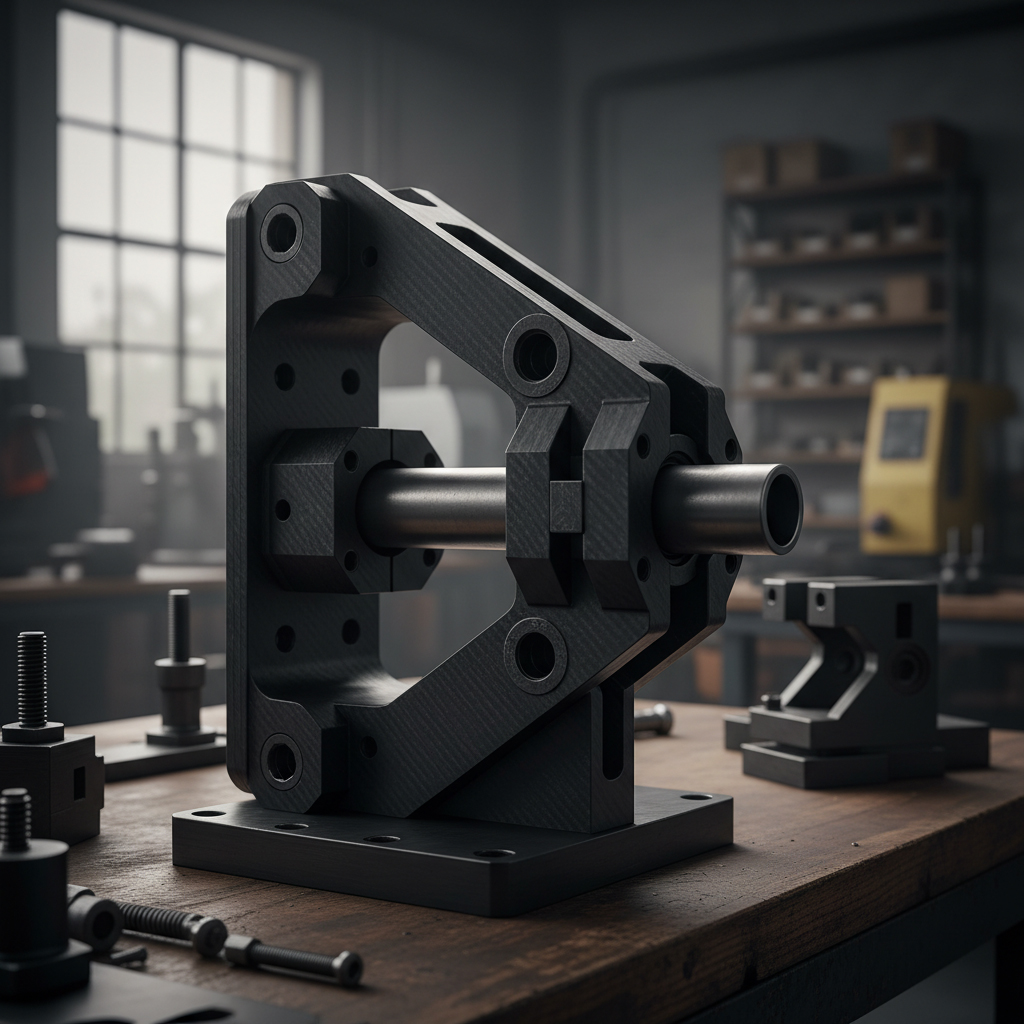
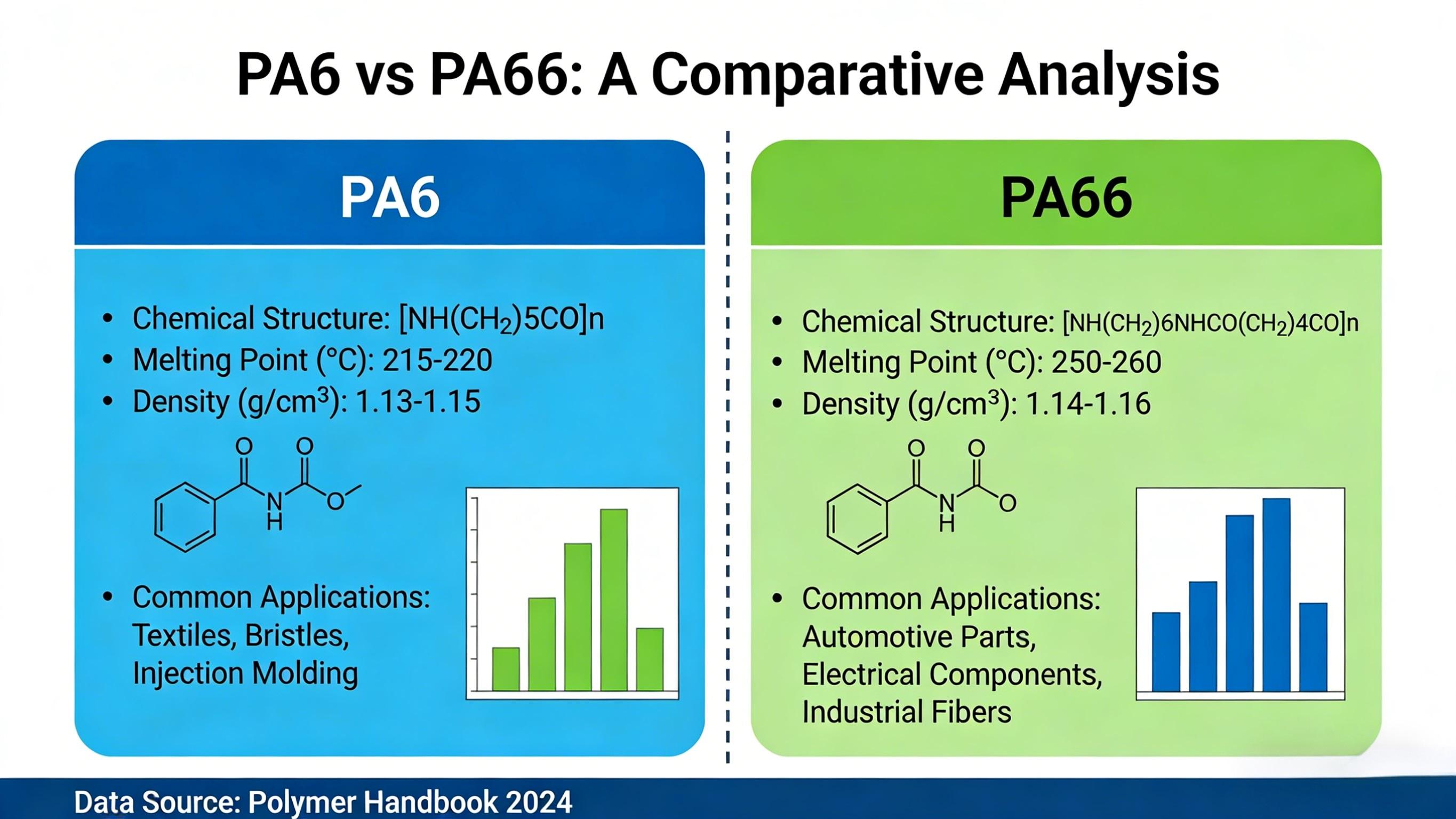
PA6-CF and PET-CF are carbon fiber reinforced thermoplastics. Compare stiffness and impact after moisture conditioning, then check heat under load and the processing route for the exact grades. PA6-CF uses nylon 6 as the matrix. PET-CF uses polyethylene terephthalate. Fiber content, formulation and the manufacturing process can change which compound performs better in the finished part.
PA6-CF vs PET-CF at a glance
- Moisture and fit: Nylon 6 absorbs moisture. Measure PA6-CF mating dimensions and stiffness at the expected service moisture condition. If fit changes with humidity, compare PET-CF on the same part and check retention after hot, humid exposure.
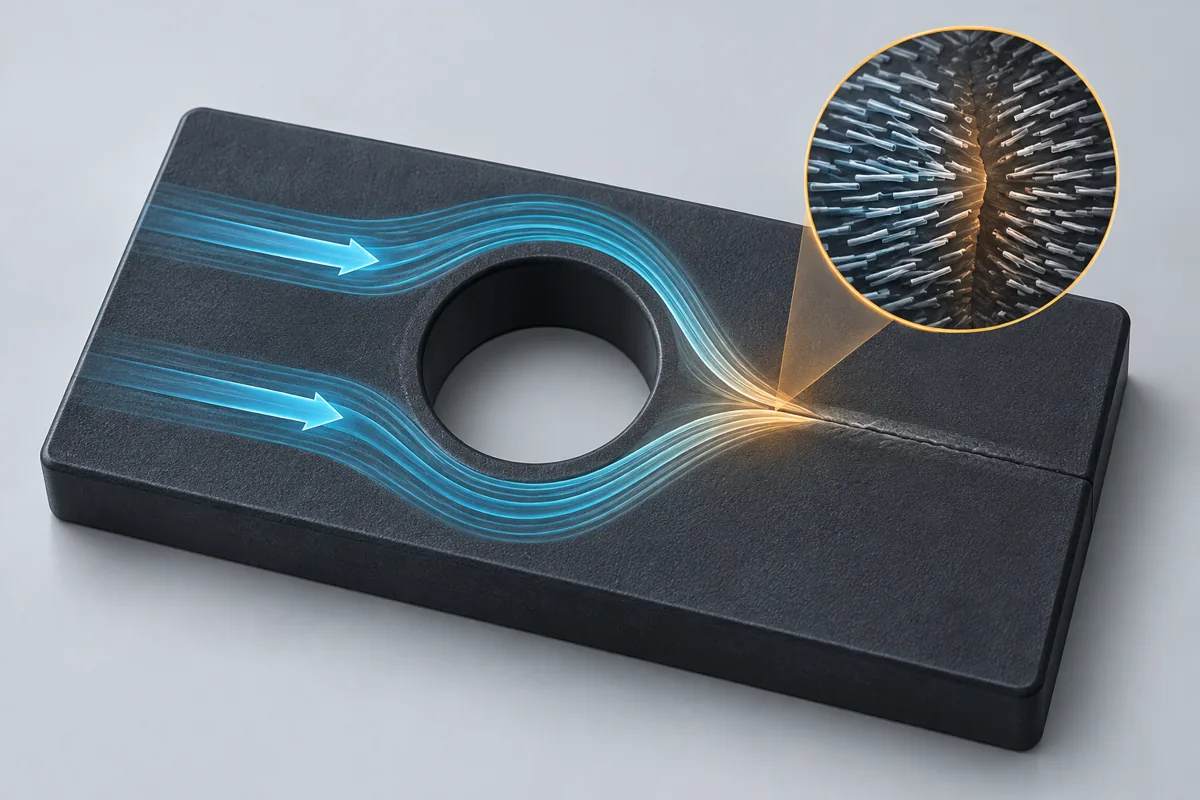
- Stiffness and impact: Compare modulus, failure strain and impact at the intended temperature. For a bracket or housing, test across weld lines and around fastener bosses as well as along the flow direction.
- Heat under load: Compare heat deflection temperature at the same test load and conditioning. For sustained loads, check creep and heat aging at the intended temperature.
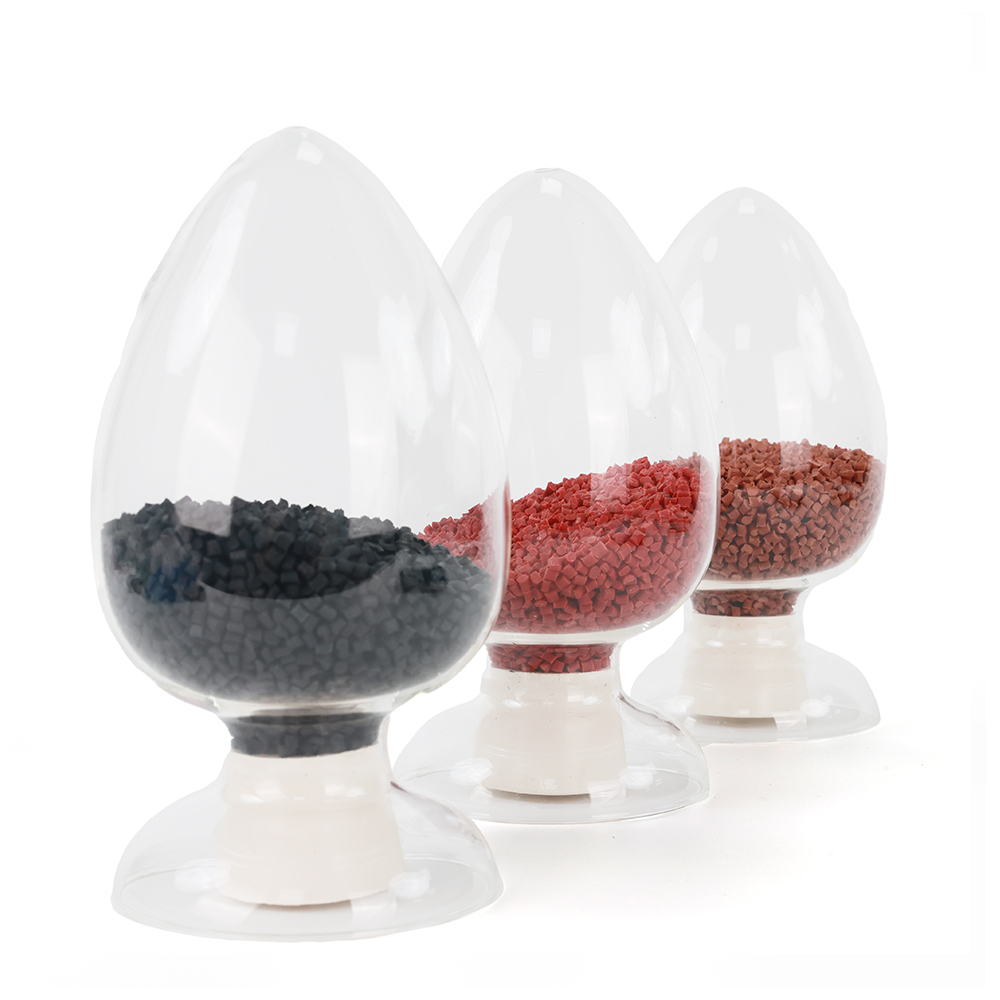
- Processing and cost: Follow grade-specific drying and processing guidance. Compare quotes on the same fiber content, form, color and volume. Include drying, cycle time, scrap and inspection.
Which grade should you test first?
For a loaded bracket, start with deflection and torque retention on conditioned parts. If humidity changes mating dimensions outside tolerance, include a PET-CF grade in the trial. If a PET-CF housing stays within tolerance but chips during assembly, compare impact and weld-line strength on parts made in the same tool.
For a rigid frame, record flatness and shrinkage along and across the flow. For a part assembled repeatedly, cycle the snap features and inspect their roots. For a hot enclosure, track fit and load retention through the expected temperature and humidity cycle.
Compare grades intended for the same process
For injection molding, compare pellet grades and evaluate fiber orientation, gate position and weld lines. For 3D printing, compare filament grades at the same build orientation and record print settings and post-treatment. Measure layer strength separately. PET-CF and PETG-CF use different polymer matrices, so check the complete material name on the datasheet.
Frequently asked questions
Is PET-CF always stiffer than PA6-CF?
Stiffness depends on fiber loading, orientation, formulation and test conditions. Compare grade data from the same test method and measure the finished part in its actual load direction.
Which material should I consider for a humidity-sensitive housing?
Screen PET-CF if moisture-driven fit is the main concern. Compare both grades against the allowed change in size after conditioning and any hot, humid exposure expected in service.
How should I compare heat ratings?
Use the same test load, specimen condition and method. Evaluate long-term creep or heat aging separately for the intended service temperature and load.
What information helps suppliers recommend a sample?
Send the drawing, critical tolerances, operating temperature, humidity, expected loads and order volume. Ask for the exact fiber content, material form and drying guidance.
Send your part requirements to WanHan for grade and sample review.
How to Minimize Warpage of Nylon 6 During Processing
Exploring the Benefits of 3D Printing PA6-CF
Related Article