
Core vs Cavity of Mold: Key Differences in Injection Molding
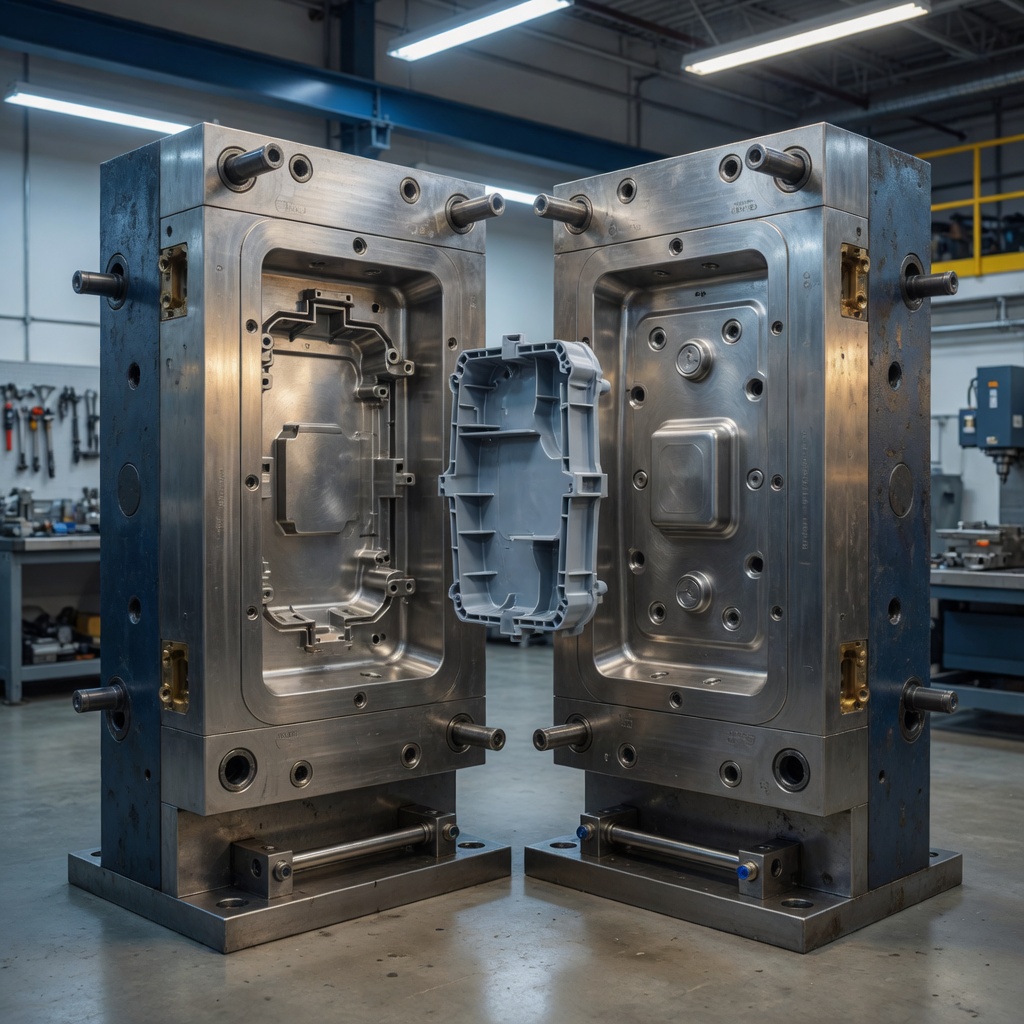
Core vs Cavity of Mold: Key Differences in Injection Molding
In injection molding, the difference between the core and the cavity is one of the most basic but most important concepts in tooling design. Engineers and tooling teams often search for core vs cavity of mold when they want to understand how a plastic part is actually shaped, why one surface looks different from another, and where dimensional or demolding problems usually begin.
The short answer is simple: the cavity forms the outside surfaces of the part, while the core forms the inside surfaces, holes, recesses, and other internal features. In real mold design, however, the relationship is more important than the definition. Core and cavity geometry directly affects part appearance, wall thickness, draft angle, shrinkage control, venting, cooling, and ejection stability.
What Is the Mold Cavity?
The cavity is the recessed side of the mold that creates the external profile of the molded part. If the finished component has a visible outer shell, cosmetic texture, glossy surface, or branding area, those external features are usually defined by the cavity side.
Because the cavity often controls the visible appearance of the product, mold makers and project teams pay close attention to:
- Surface finish requirements
- Texture or polish level
- Parting line placement
- Dimensional stability on visible faces
- Cooling balance for appearance-sensitive areas
What Is the Mold Core?
The core is the protruding side of the mold that forms the internal geometry of the part. It creates features such as inner walls, holes, bosses, ribs, channels, and other functional details. In many products, the core side also plays a major role in demolding because the part often shrinks around the core as it cools.
This is why the core side is closely linked to:
- Draft angle for release
- Ejector layout
- Rib and boss geometry
- Sink mark risk
- Warping and shrink behavior
Core vs Cavity of Mold: The Practical Difference
When people ask about mold core and cavity, they usually want the practical distinction, not just a textbook definition. In production terms:
- Cavity: shapes the outside of the plastic part
- Core: shapes the inside and functional internal features
- Cavity side priority: appearance and external dimensions
- Core side priority: release, support, and internal function
In other words, the cavity is often more appearance-driven, while the core is often more function-driven. Good mold design balances both sides together instead of optimizing one side alone.
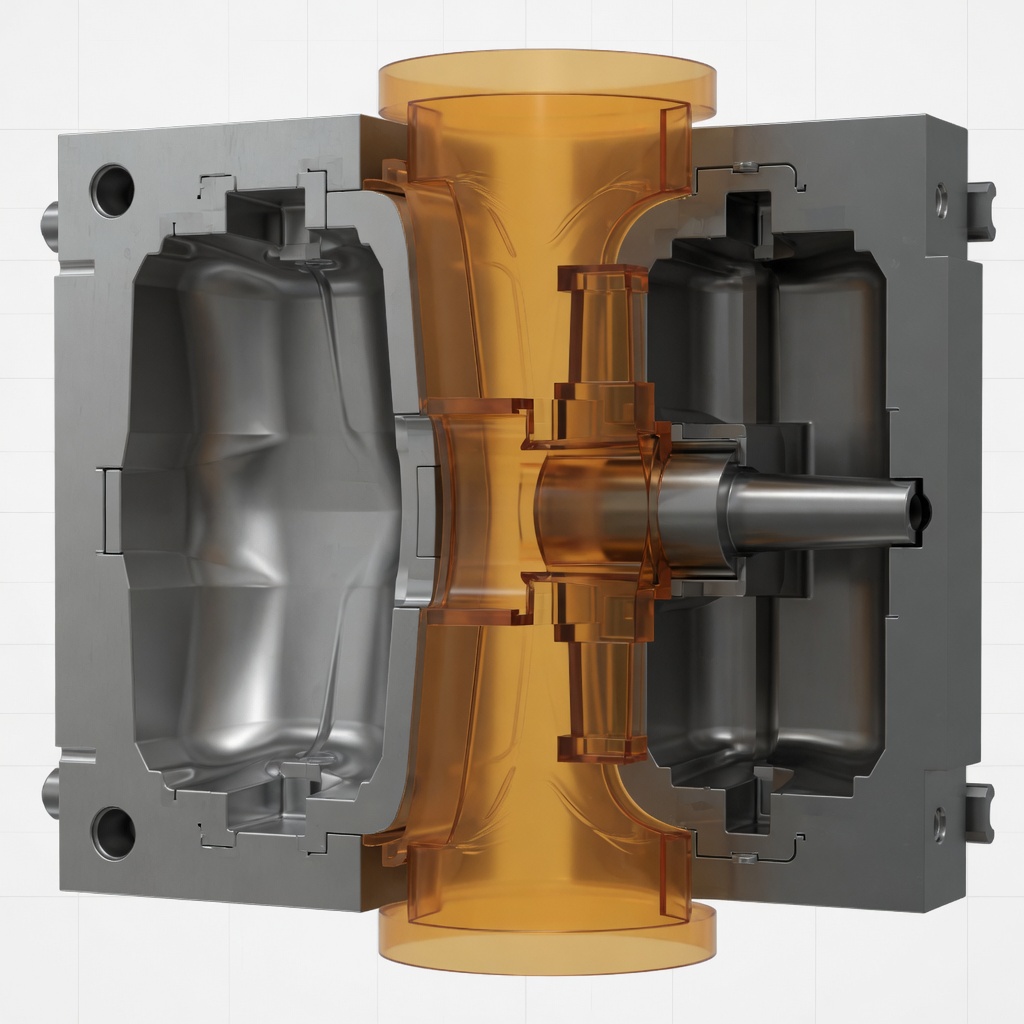
Why Core and Cavity Design Matters
The distinction between core and cavity affects much more than terminology. It directly influences the quality and manufacturability of the final part. A poorly matched core and cavity design can lead to flash, drag marks, uneven wall thickness, difficult ejection, trapped air, poor gloss, and higher rejection rates.
For teams evaluating tooling suppliers, this matters because a mold that looks acceptable in 2D drawings may still perform poorly in mass production if the core and cavity relationship is not engineered correctly.
How the Part Sits Between Core and Cavity
During injection molding, molten plastic fills the space between the core and cavity. That space becomes the final part geometry. If this gap is inconsistent, wall thickness varies, which may create sink marks, short shots, or local warpage. If draft is insufficient on the core side, the part may stick during ejection. If venting is weak near the cavity edges, burn marks or trapped air defects can appear.
This is why mold reviews often focus on questions such as:
- Where will the part naturally stay after cooling?
- Will the part release from the core smoothly?
- Are cosmetic surfaces protected on the correct side?
- Is the steel layout strong enough around deep ribs or bosses?
- Are cooling channels balanced across both halves?
Common Design Issues Related to Core and Cavity
Several common tooling problems can be traced back to weak core and cavity decisions:
- Insufficient draft on the core: causes sticking, scuffing, or ejection marks
- Uneven cavity thickness: reduces cosmetic stability and increases shrink variation
- Weak steel around deep core features: raises the risk of steel damage or dimensional drift
- Bad gate location: creates imbalance in filling and pressure distribution between key surfaces
- Poor venting: traps gas in last-fill areas and affects molded quality
For complex engineering plastic parts, these issues become even more important because materials such as PA6, PA66, PBT, PC/ABS, and reinforced grades can amplify molding stress, shrinkage, and warpage.
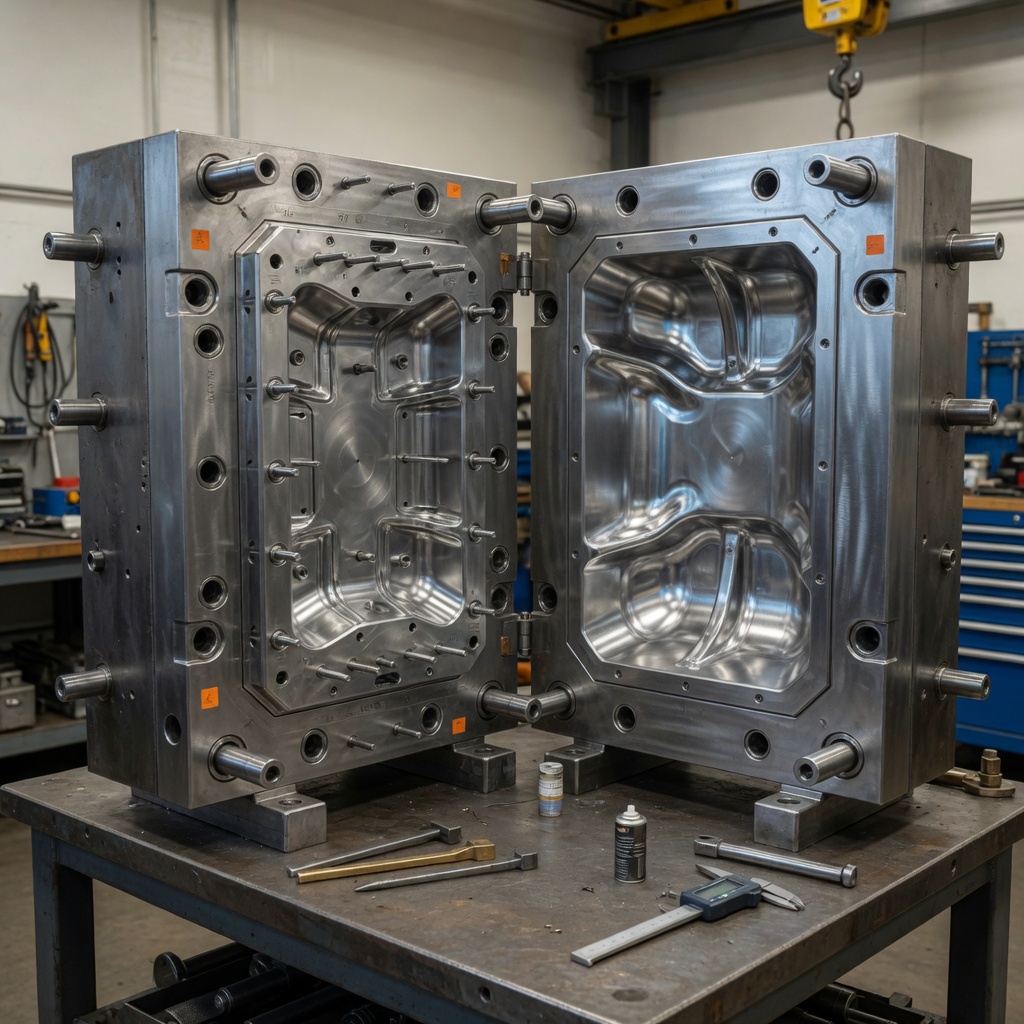
How to Review Core and Cavity Before Tool Approval
If you are preparing for a tooling review or evaluating a mold project, do not limit your evaluation to the part drawing alone. Ask the supplier to explain how the part is split between core and cavity, which side controls the cosmetic surface, where the part will remain after opening, and how the ejection system supports that decision.
A practical review checklist includes:
- Core side draft adequacy
- Cavity side finish and texture consistency
- Wall thickness balance between internal and external geometry
- Gate, vent, and cooling strategy
- Ejector position relative to functional and cosmetic zones
- Steel safety around deep features or thin sections
Core vs Cavity in Injection Molding: Final Answer
So, what is the difference in core vs cavity of mold? The cavity forms the outer shape and visible surfaces of a molded part, while the core forms the internal geometry and functional inner features. In real injection molding, the correct relationship between the two determines how well the part fills, cools, releases, and performs in production.
For mold review teams, understanding core and cavity is not just basic theory. It is a practical way to judge whether a tool design will support consistent part quality, stable production, and lower downstream risk.
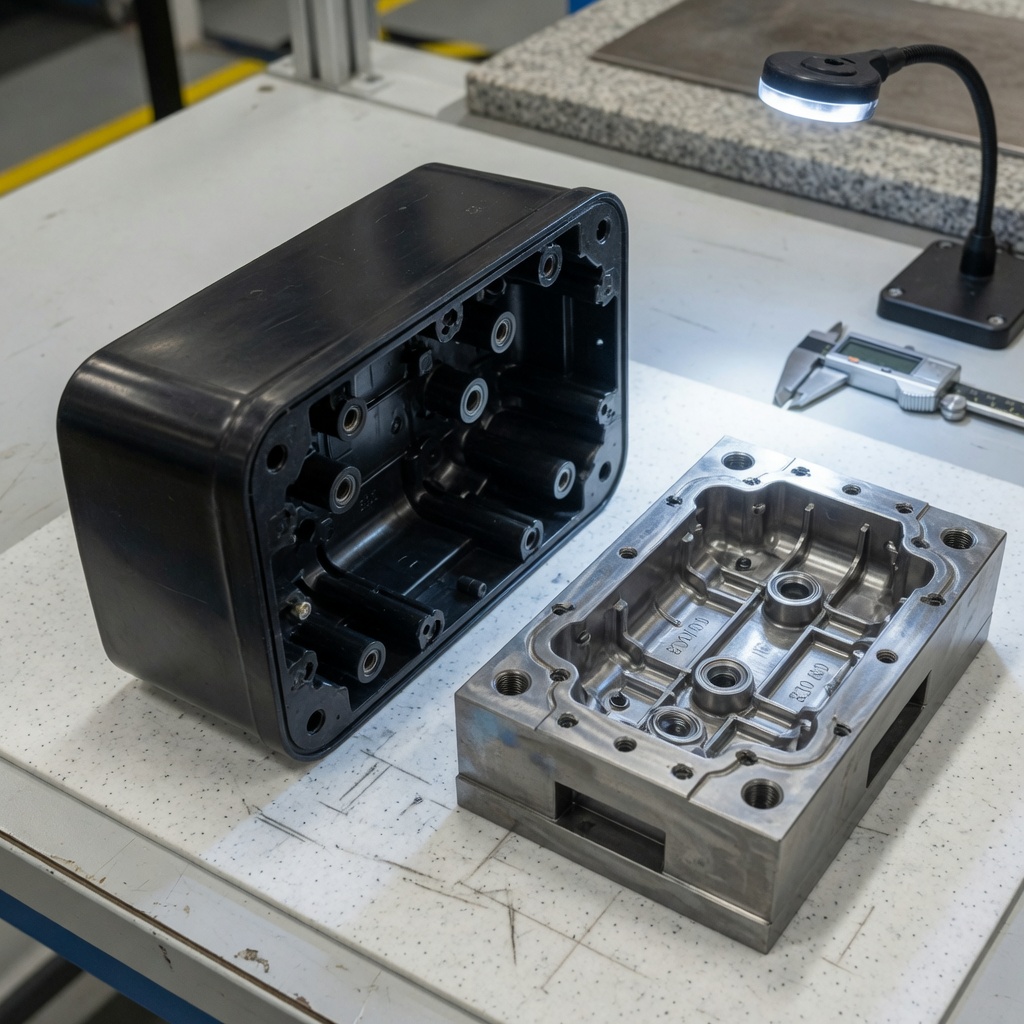
Why Choose WanHan for Engineering Plastic Projects?
Since 2005, WanHan has focused on independent R&D, production, and global sales of functional engineering plastics for more sustainable industrial applications. Certified to ISO 9001, ISO 14001, ISO 45001, and IATF 16949, we operate with complete in-house testing equipment and strict quality control throughout development and production. Our materials are exported to more than 30 countries and are widely used in automotive, electronics, home appliances, and industrial applications that require higher-performance polymer solutions.
- Application-based material selection support for OEM, injection molding, and product development teams.
- Custom compounding capability for glass fiber, flame-retardant, carbon fiber, mineral-filled, impact-modified, anti-UV, and color-customized grades.
- Full quality control with in-house testing equipment and certified systems for more stable repeat orders and production consistency.
- Free sample support, technical data sheets, and processing guidance to shorten validation time before mass production.
- Fast quotation response, export-ready packaging, and practical support for long-term production supply programs.
If you are selecting a resin for a new project or replacing an existing grade, WanHan can help with grade matching, sample preparation, and custom compound evaluation. You can send your target application, part drawing, annual quantity, or required properties through WanHan's inquiry page to get a faster quotation and material recommendation. You can also review top-sale engineering plastic grades for faster project matching.
For tooling and material development, you can also compare WanHan's nylon injection molding guide, PA6 guide, and PA66 guide when wall thickness, shrinkage, and ejection behavior are critical.
Frequently Asked Questions
Q: What is the difference between core and cavity in a mold?
A: The cavity forms the external shape of the plastic part, while the core forms internal features such as holes, ribs, bosses, and inner walls.
Q: Which side controls the outside appearance of a molded part?
A: In most injection molds, the cavity side controls the visible external surfaces, cosmetic finish, texture, and overall outer profile of the molded part.
Q: Why does the part often stay on the core side after molding?
A: As plastic cools, it often shrinks around the core. This is why the part frequently remains on the core side and is then removed by the ejection system.
Q: Why is core draft important in injection molding?
A: Draft on the core side helps the part release smoothly during ejection. Without enough draft, parts may stick, drag, or show surface damage.
Q: Can you help evaluate mold core and cavity design for a plastic project?
A: Yes, we can support discussions around injection molding design, engineering plastics, and manufacturability review based on your part structure and production needs.
Nylon Density and Melting Point Guide: PA6 vs PA66 Properties and Temperature Ranges
ABS Melting Point Guide: Temperature Range, Processing Window, and Key Design Factors
Related Article



