Exploring the Benefits of 3D Printing PA6-CF
Exploring the Benefits of 3D Printing PA6-CF
Exploring the Benefits of 3D Printing Polymaker PA6-CF
In the rapidly evolving world of 3D printing, materials play a crucial role in defining the capabilities and applications of the technology. One such material making waves is PA6-CF, a composite filament combining polyamide 6 (PA6) with carbon fiber. This unique blend offers exciting possibilities for advanced 3D printing, particularly for industries seeking strength, durability, and precision. Let's dive into the benefits of 3D printing with PA6-CF and explore why it's becoming a preferred choice for innovators and manufacturers alike.
Understanding PA6-CF: What Is It?
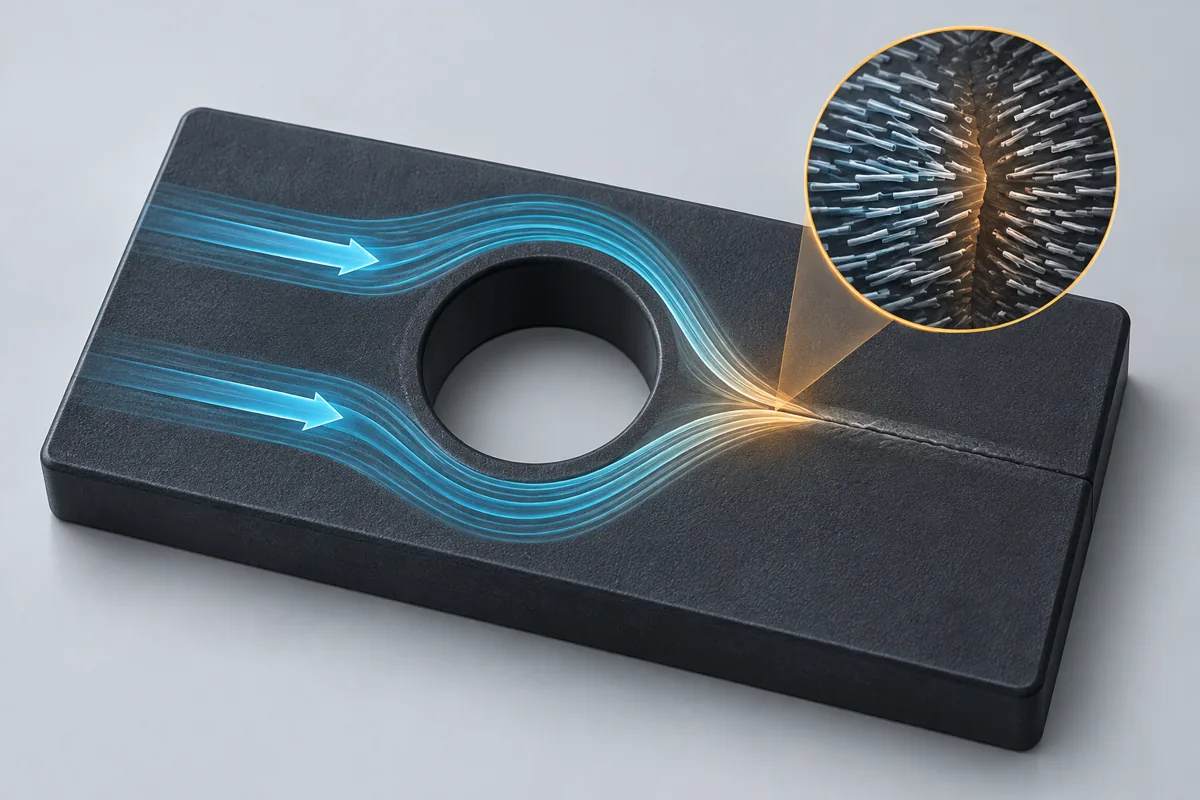
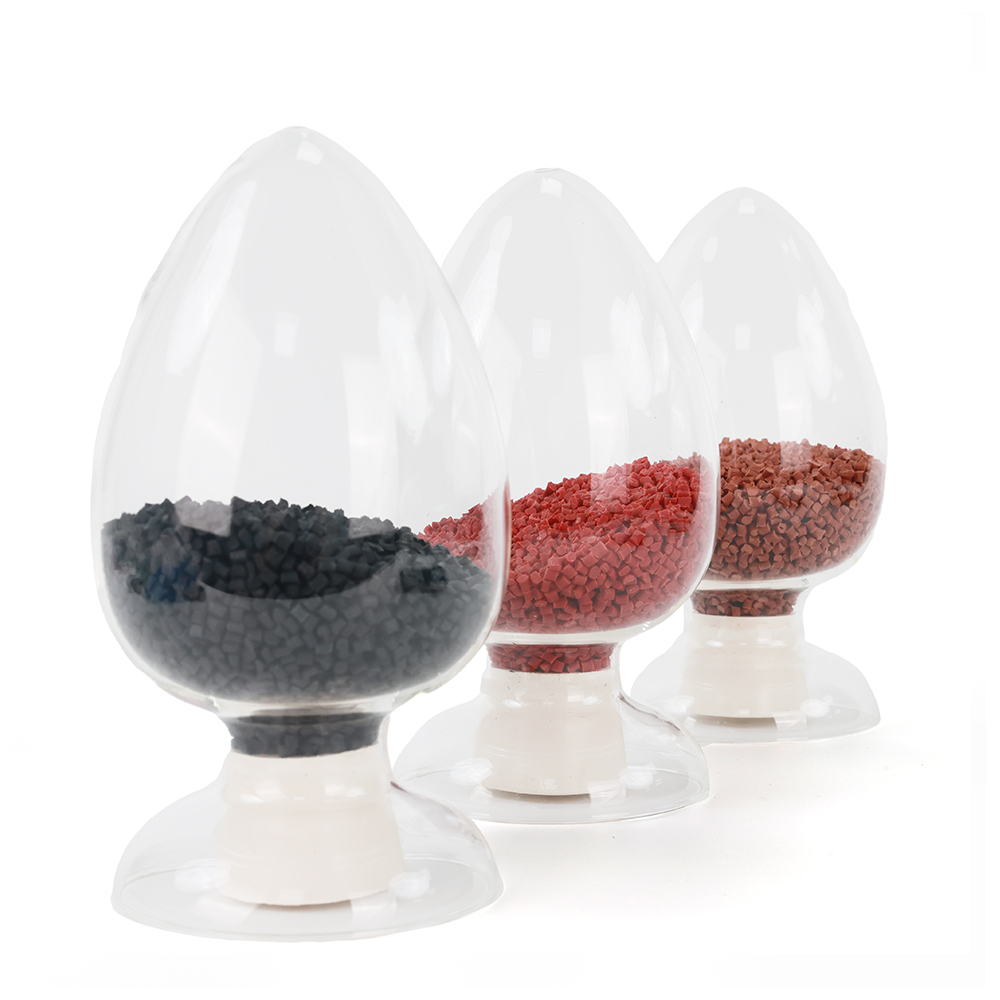
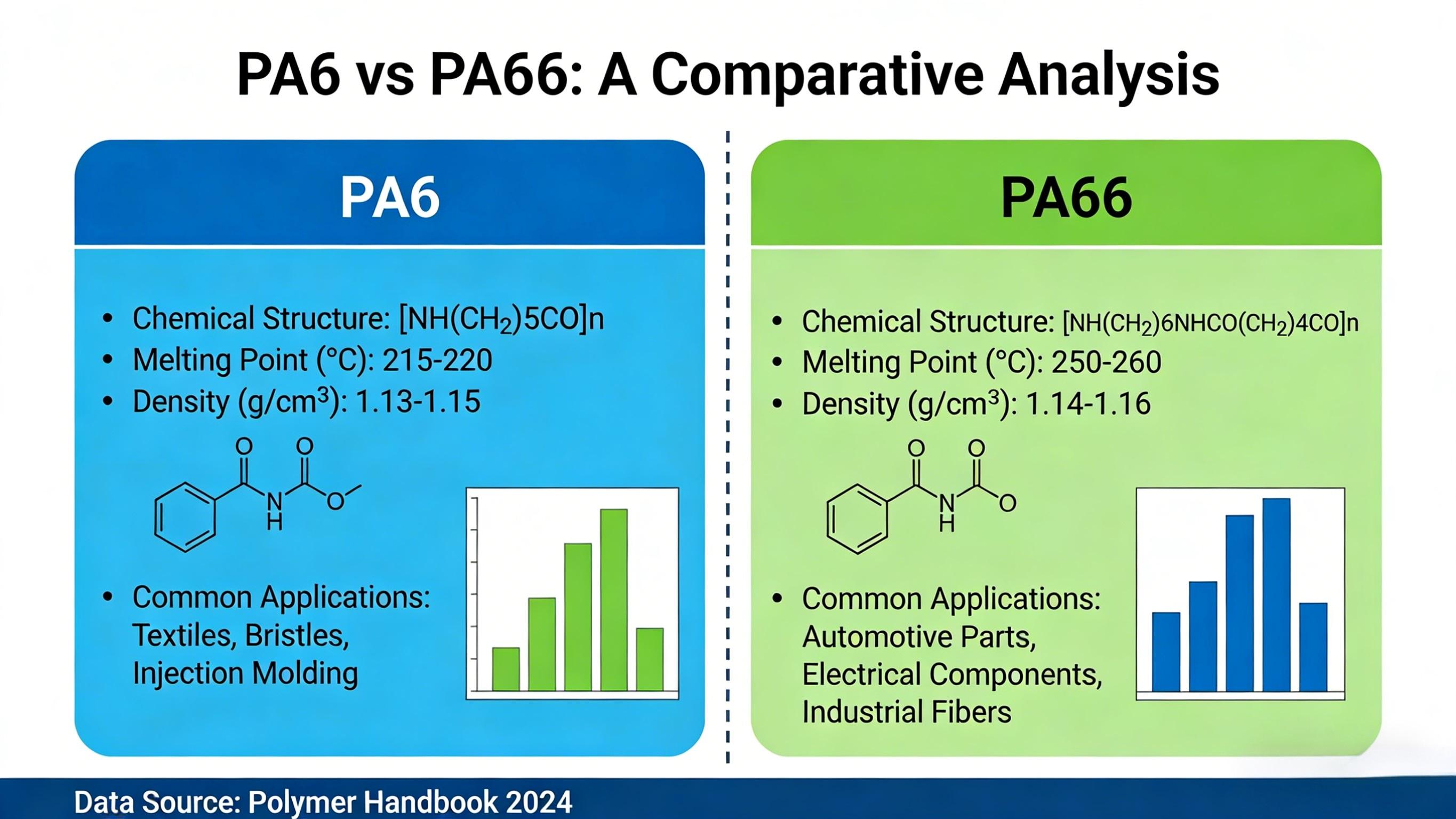
PA6-CF is a composite material created by reinforcing PA6, a type of nylon, with carbon fibers. The combination yields a filament with enhanced mechanical properties, making it an ideal choice for producing high-performance parts. The carbon fiber reinforcement provides increased strength and stiffness while reducing the weight of the final product. This unique composition makes PA6-CF particularly suitable for applications that require both strength and lightweight characteristics.
Key Properties of PA6-CF
- High Strength-to-Weight Ratio: The incorporation of carbon fibers significantly enhances the strength-to-weight ratio of PA6-CF, making it perfect for structural applications.
- Thermal Stability: PA6-CF exhibits excellent thermal resistance, allowing it to withstand high temperatures without losing structural integrity.
- Dimensional Stability: Parts printed with PA6-CF maintain their shape and dimensions even under stress, ensuring reliable performance over time.
The Advantages of Carbon Fiber Printing with PA6-CF
The use of carbon fiber in 3D printing isn't new, but the combination with PA6 takes it to another level. Here are some of the notable benefits:
Enhanced Mechanical Properties
One of the most significant benefits of 3D printing with PA6-CF is the enhanced mechanical properties. The carbon fibers provide additional strength and rigidity, which are crucial for parts subjected to mechanical stress or load-bearing applications. This makes PA6-CF an excellent choice for automotive, aerospace, and industrial applications where high performance is mandatory.
Lightweight Yet Strong
Traditional manufacturing methods often involve heavy materials to achieve the required strength, but this isn't the case with PA6-CF. The carbon fiber reinforcement allows for creating lightweight parts without compromising on strength. This is particularly advantageous in industries like aerospace, where reducing weight can lead to significant cost savings and improved fuel efficiency.
Improved Thermal and Chemical Resistance
PA6-CF not only offers mechanical strength but also enhances thermal and chemical resistance. This means parts can endure harsh environments, making them suitable for use in extreme temperature conditions and exposure to chemicals. Industries that operate in challenging environments, such as oil and gas or automotive, benefit greatly from these properties.
Applications of 3D Printing PA6-CF
Given its advantageous properties, PA6-CF is finding applications in various industries. Some notable uses include:
Automotive and Aerospace
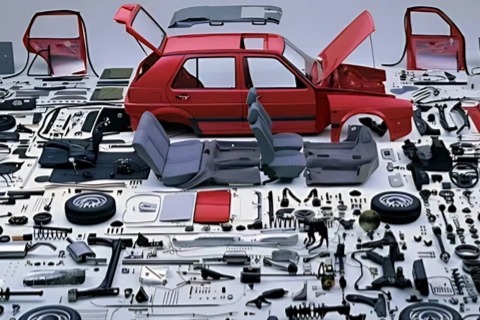
In the automotive and aerospace sectors, weight reduction is critical. PA6-CF allows manufacturers to produce lightweight components that maintain the necessary strength and durability. For example, it can be used to print brackets, housings, and structural components that contribute to overall weight savings and performance improvements.
Industrial Equipment
For industrial applications, PA6-CF's strength and resistance to wear and tear make it suitable for producing tooling, jigs, and fixtures. These parts often experience repetitive stress and exposure to harsh conditions, where traditional materials might fail.
Consumer Electronics
In the realm of consumer electronics, PA6-CF can be used to create durable and lightweight enclosures for devices, enhancing both product longevity and user experience. Its aesthetic appeal, combined with functional benefits, makes it a popular choice for designing innovative products.
Challenges and Considerations
While PA6-CF offers numerous advantages, there are some challenges and considerations to keep in mind:
Printing Parameters
Printing with PA6-CF requires specific printer settings to achieve optimal results. The presence of carbon fibers can cause wear on standard nozzles, so using hardened steel or ruby nozzles is recommended. Additionally, precise temperature control and bed adhesion are crucial to prevent warping and ensure quality prints.
Cost Implications
The production of PA6-CF filament is more complex than standard filaments, resulting in higher costs. However, the benefits in terms of performance and durability often justify the investment, especially for applications where these properties are critical.
Future of Advanced 3D Printing with PA6-CF
The future of 3D printing with PA6-CF looks promising. As the technology continues to advance, we can expect further improvements in material formulations, printing processes, and applications. Researchers and manufacturers are constantly exploring ways to enhance the properties of PA6-CF, potentially leading to even wider adoption across industries.

Conclusion
PA6-CF represents a significant advancement in 3D printing materials, offering a unique combination of strength, lightweight, and resistance properties. Its applications in automotive, aerospace, industrial, and consumer electronics sectors highlight its versatility and potential. As more industries recognize the benefits of carbon fiber printing with PA6-CF, we can anticipate a growing demand for this innovative material. Whether you're a manufacturer seeking high-performance parts or an innovator exploring the possibilities of advanced 3D printing, PA6-CF is a material worth considering for your next project.
PA6-CF vs PET-CF: Moisture, Stiffness and Processing
PA6 Nylon: The Underestimated King of High-Performance Engineering Plastics
Related Article