How to Minimize Warpage of Nylon 6 During Processing
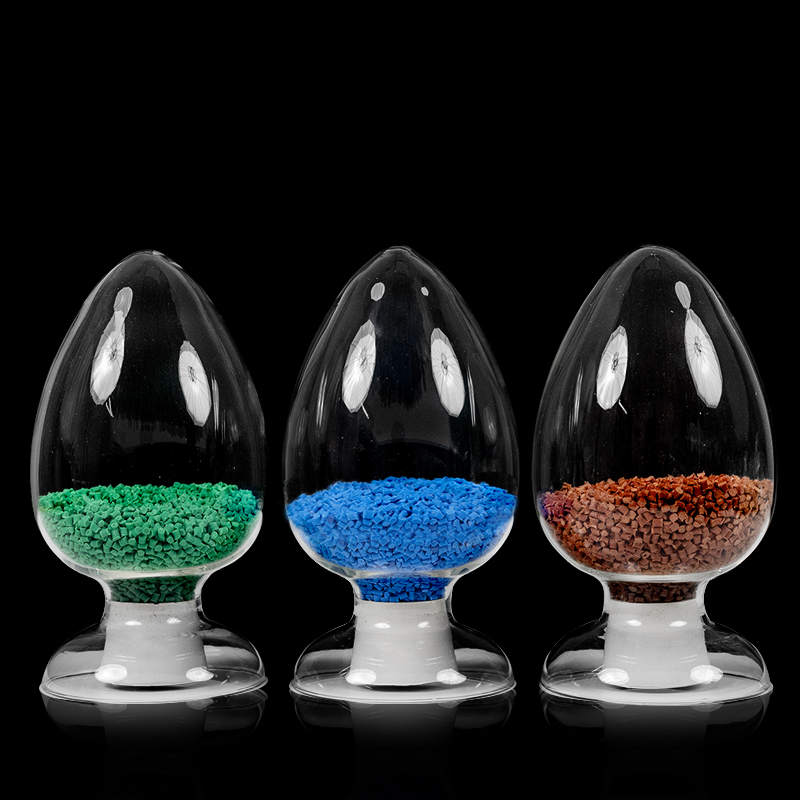
Warpage is one of the most common and frustrating challenges when injection molding Nylon 6. This defect, characterized by unintended bending or twisting of a part, arises from uneven shrinkage within the material during the cooling phase. For engineers and manufacturers, controlling warpage is critical to ensuring dimensional accuracy, functional integrity, and assembly compatibility.
The good news is that warpage is not an inevitability. It can be systematically minimized through a strategic approach involving material selection, process optimization, and mold design. This guide will walk you through the key strategies to produce flat, stable, and high-quality Nylon 6 parts.
Understanding the Root Cause: Why Nylon 6 Warps
At its core, warpage is caused by differential shrinkage. When different areas of a part cool and shrink at varying rates, internal stresses are created, pulling the part out of shape. Key factors contributing to this in Nylon 6 include:
-
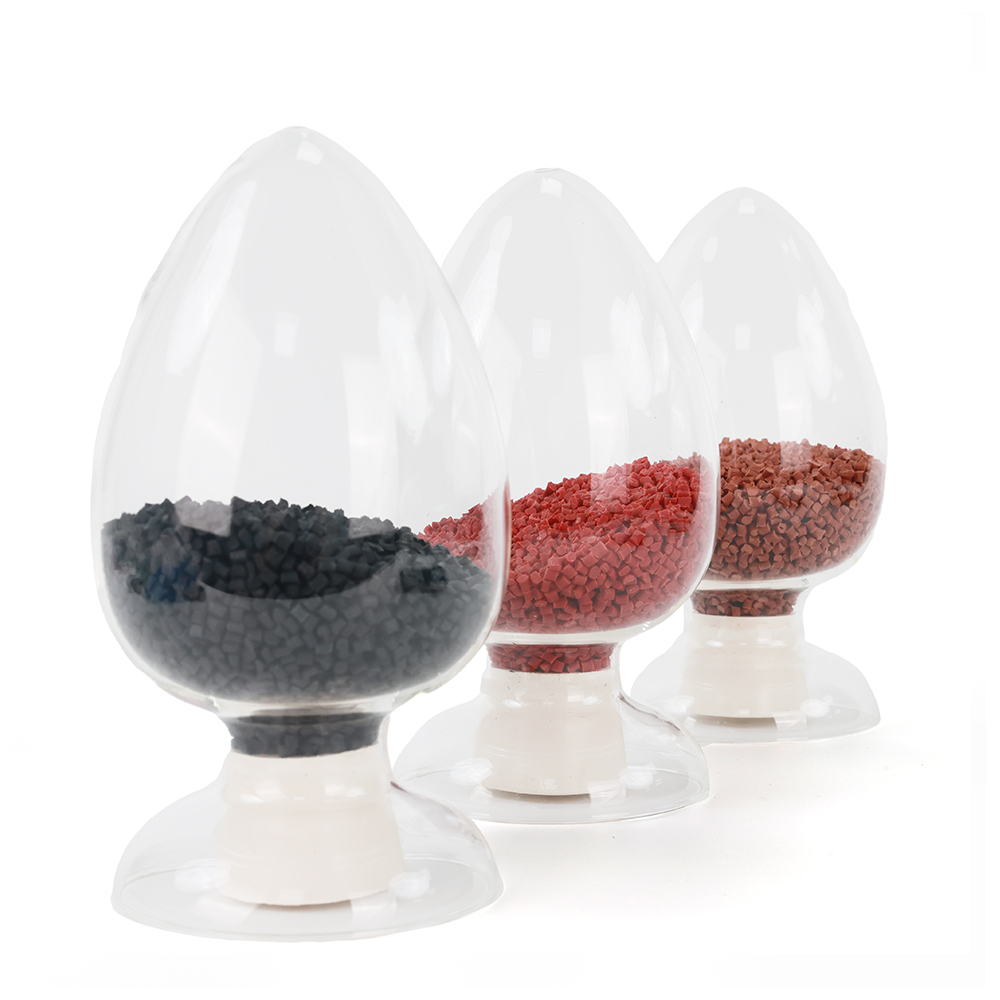
Inherent Moisture Absorption: Nylon 6 is hygroscopic. If processed without proper drying, moisture turns to steam in the barrel, causing voids and uneven cooling.
-
High Crystallinity: As a semi-crystalline polymer, Nylon 6 undergoes significant volumetric shrinkage as its molecular structure organizes into crystals upon cooling.
-
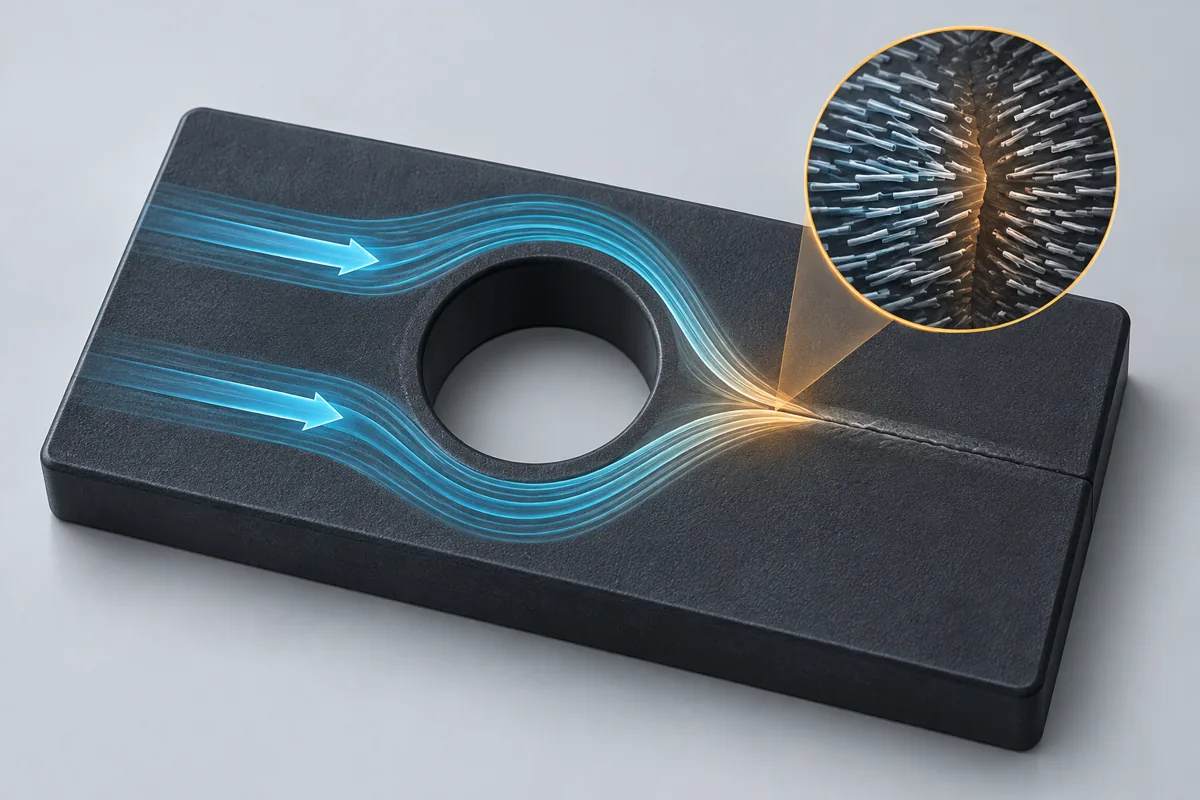
Orientation and Flow-Induced Stresses: During injection, polymer chains are stretched and aligned in the flow direction. They relax unevenly during cooling, causing anisotropic (direction-dependent) shrinkage.
Key Strategies to Minimize Warpage
A multi-faceted approach is the most effective way to tackle this issue. The following table summarizes the primary levers you can pull to achieve dimensional stability.
| Strategy | Key Action | Effect on Warpage |
|---|---|---|
| Material Modification | Using glass-filled grades like PA-GF30 | Dramatically Reduces - Glass fibers restrict shrinkage and provide structural reinforcement. |
| Process Optimization | Controlling mold and melt temperature | Significantly Reduces - Ensures uniform cooling and reduces internal stresses. |
| Mold Design | Implementing conformal cooling & uniform wall thickness | Prevents at Source - Promotes even heat removal and consistent shrinkage. |
1. Material Selection: The First Line of Defense
The simplest way to combat warpage is to choose a material formulated for low shrinkage and high stiffness.
-
Glass-Fiber Reinforced Grades (e.g., PA-GF30): This is the most effective material-based solution. The "30" denotes 30% glass fiber content. These fibers act as a rigid internal skeleton, dramatically reducing overall shrinkage and, more importantly, making shrinkage more uniform in all directions (isotropic). For applications demanding the highest thermal and mechanical performance, PA66GF30 (30% glass-filled Polyamide 66) offers even greater stiffness and lower shrinkage than Nylon 6-based compounds.
-
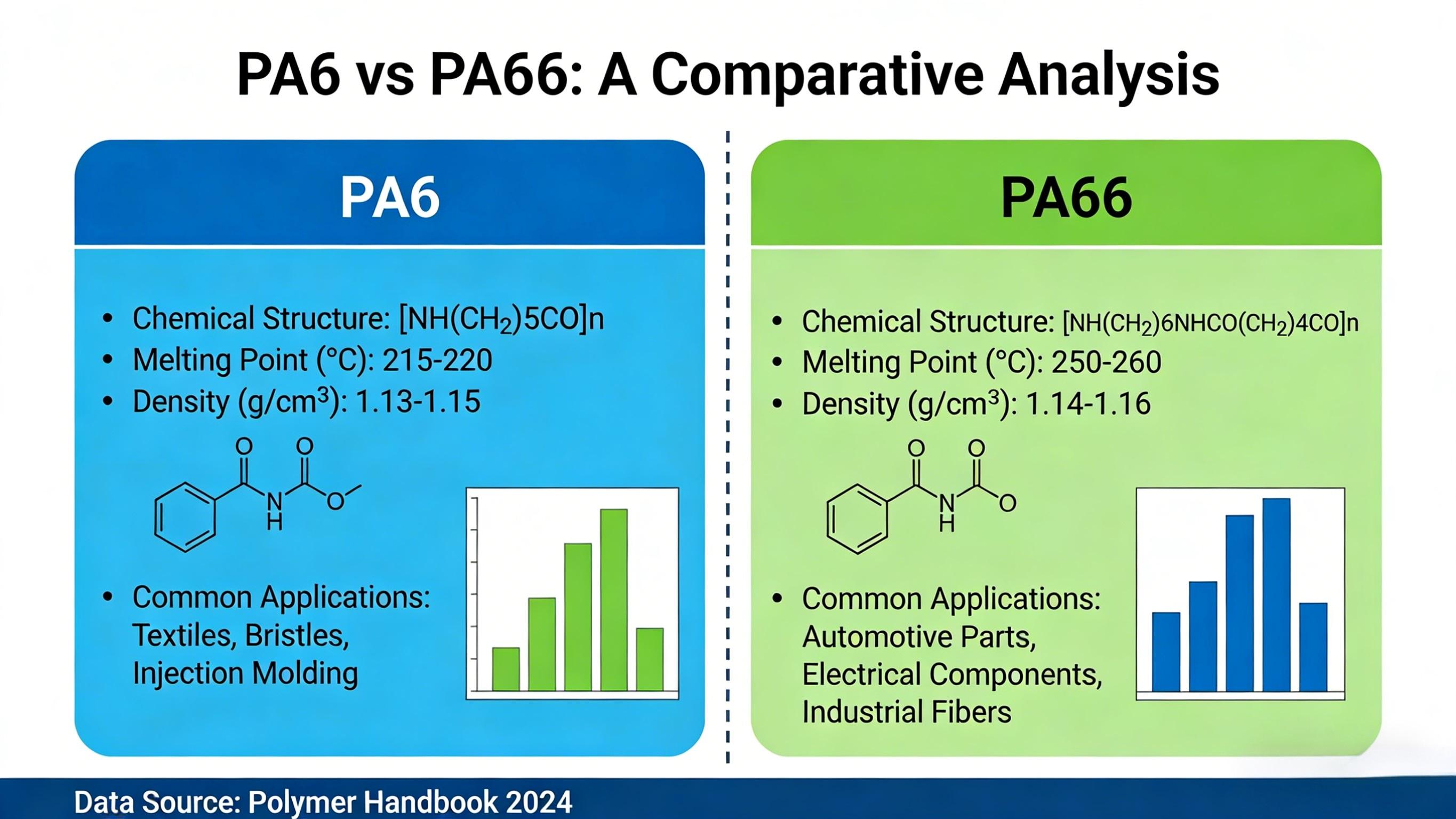
Comparison with Other Materials: While standard Nylon 6 has a shrinkage rate of ~1.2-1.6%, PA-GF30 typically shrinks only 0.2-0.5%. For context, unfilled Nylon 6,6 shrinks ~1.5-2.0%, but its glass-filled version (PA66GF30) also provides exceptional stability, often making it a superior alternative to standard Nylon 6 for high-precision parts.
2. Process Optimization: Fine-Tuning for Stability
Even with the right PA material, poor processing can induce warpage. Here are the critical parameters to control:
-
Thorough Drying: This is non-negotiable. Dry Nylon 6 pellets to a moisture content of <0.2% (or better yet, <0.1%) before processing. Typical drying conditions are 80°C for 3-4 hours in a desiccant dryer.
-
Mold Temperature: Use a high and consistent mold temperature (e.g., 80-100°C). A hot mold allows the material to cool slower and more uniformly, allowing polymer chains to relax and crystals to form consistently, thereby reducing internal stresses.
-
Melt Temperature: Avoid excessively high melt temperatures. While necessary for flow, too high a temperature increases the total amount of shrinkage and extends the cooling time, increasing the chance of differential cooling.
-
Injection Speed and Pressure: Use a moderate to high injection speed to ensure a uniform melt front. Adequate packing and holding pressures are crucial to compensate for volumetric shrinkage as the material cools. Optimize the holding pressure time—it should last until the gate freezes shut.
3. Mold Design: Engineering the Solution
A well-designed mold is fundamental to producing warp-free parts.
-
Uniform Wall Thickness: This is the golden rule. Abrupt changes in wall thickness cause different cooling rates and are a primary cause of warpage. Maintain consistent thickness throughout the design and use gradual transitions where changes are unavoidable.
-
Gate Location and Type: Place gates to ensure balanced filling and minimize flow path length. Multiple gates can sometimes create weld lines and complicate flow patterns. Strategically placed gates help orient the flow to minimize anisotropic shrinkage.
-
Cooling System Design: The goal is uniform heat extraction. A conformal cooling channel system that follows the contour of the part is ideal for maintaining a consistent mold surface temperature. Standard water lines should be placed strategically to avoid hot and cold spots.
Conclusion: A Systematic Approach is Key
Minimizing warpage in Nylon 6 is not about finding a single magic bullet but about implementing a holistic strategy. Start by selecting the right material—PA-GF30 is often the best choice for demanding applications. Then, rigorously control your processing parameters, with a sharp focus on drying and temperature management. Finally, ensure your mold is designed for success with uniform walls and an efficient cooling system.
By understanding the science of shrinkage and applying these practical steps, you can transform your production process, yielding dimensionally stable, high-performance Polyamide 66 and Nylon 6 parts that meet the tightest specifications.
Partner with Wanhan for Warpage-Free, High-Performance Materials
As we've explored, achieving dimensional stability in your Nylon 6 or Polyamide 66 components requires a synergy of the right material, precise processing, and expert knowledge. This is where a trusted material supplier becomes an invaluable partner in your success.
At Guangdong Wanhan New Material Technology Co., Ltd., we don't just sell plastics; we engineer solutions. Since 2005, our mission has been to create engineering plastics for a sustainable future, focusing on the independent R&D, production, and sales of high-performance functional polymer materials.
Why Partner with Wanhan for Your PA Projects?
-
Expertise in Material Science: We understand the core challenges like warpage intimately. Our portfolio includes advanced, low-shrinkage compounds like our PA-GF30 and PA66GF30 grades, which are specifically formulated to provide superior dimensional stability, stiffness, and thermal performance for demanding applications.
-
Certified Quality & Reliability: Our commitment to quality is certified by IATF 16949, ISO9001, ISO 14001, and ISO 45001. With full sets of testing equipment and strict quality control throughout production, you can be confident that every batch of our PA material meets consistent, high standards.
-
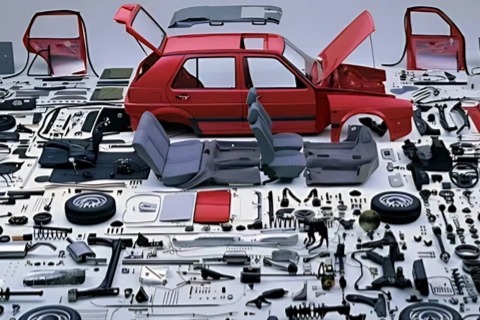
Global Application Experience: Our solutions are exported to 30+ countries and are trusted in industries where performance is critical—including automotive, electronics, home appliances, and industrial applications. We have the experience to help you select the right material for your specific use case.
Ready to Solve Your Dimensional Stability Challenges?
Stop battling warpage and start producing superior parts. Let our technical team provide you with tailored material recommendations and processing guidelines.
Contact us today for a quote and see how Wanhan's high-performance Nylon 6,6 and glass-filled polyamide compounds can enhance your product quality and manufacturing efficiency.
Click Here to Request Your Free Quote and Technical Data Sheets
PA6-CF: The High-Performance Choice of Carbon Fiber Reinforced Nylon 6 - A Guide to Specifications and Sourcing
PA6-CF vs PET-CF: Moisture, Stiffness and Processing
Related Article