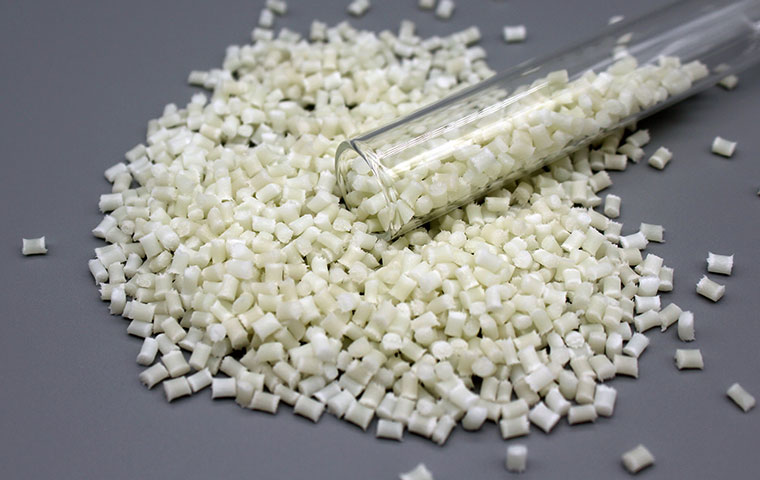
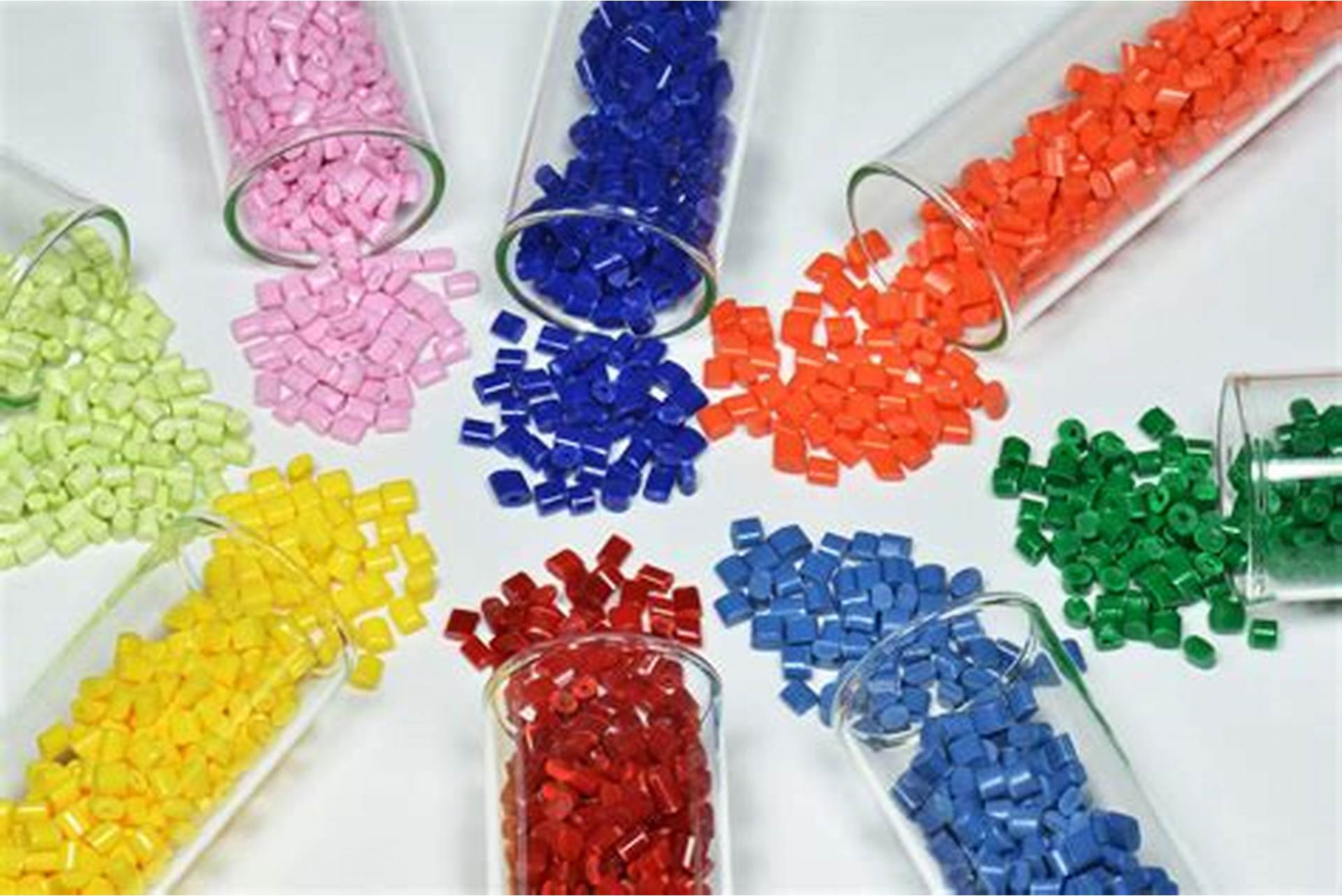
PA6 GF30 Properties, Test Data and Design Guide
PA6 GF30 properties combine the nylon 6 matrix with 30% glass-fiber reinforcement. The reinforcement increases stiffness, tensile and flexural performance, heat resistance, and dimensional stability, while moisture condition, fiber orientation, wall thickness, and molding quality still influence the finished part.
This guide focuses on how to read PA6 GF30 test data and apply it in engineering decisions. The values below are published for WanHan grade PA6-WHG30B; they are an exact-grade example rather than universal values for every PA6 GF30 compound. For commercial specifications, samples, and the current technical data sheet, visit the PA6-WHG30B product page.
PA6 GF30 Test Data: PA6-WHG30B Example
Published laboratory values help engineers compare candidate materials, but the test method, specimen geometry, temperature, moisture condition, and fiber direction must be considered. The same nominal reinforcement level can produce different results when the resin system, glass-fiber length, stabilizer package, color, or processing history changes.
| Property | Test method | Unit / condition | Published value |
|---|---|---|---|
| Tensile strength | ISO 527 | MPa | 175 |
| Elongation at break | ISO 527 | % | 9 |
| Flexural strength | ISO 178 | MPa | 230 |
| Flexural modulus | ISO 178 | MPa | 8,500 |
| Izod notched impact strength | ISO 180 | kJ/m² | 17 |
| Heat deflection temperature | ISO 75 | °C | 175 |
| Melt flow index | ISO 1133 | g/10 min | 20 |
| Density | ISO 895 (as published) | g/cm³ | 1.4 |
| Molding shrinkage | ISO 2577 | % | 0.6 |
| Flammability | UL 94 | 1.6 mm | HB |
Validation note: confirm the current grade data sheet, specimen conditioning, color, lot requirements, and critical finished-part tests before approval. Laboratory values support selection; they do not replace testing on the actual molded component.
How to Interpret the Mechanical Properties
Tensile and flexural strength
The 175 MPa tensile and 230 MPa flexural values describe resistance to specified loading modes. Real parts also depend on ribs, radii, weld lines, gate position, wall thickness, and load direction.
Flexural modulus
The published 8,500 MPa modulus indicates high bending stiffness. Designers should still check creep, temperature, moisture conditioning, and anisotropy for long-term dimensional control.
Impact behavior
The 17 kJ/m² notched Izod value is useful for grade comparison under the stated method. Finished-part impact must be tested around notches, bosses, weld lines, and expected service temperature.
Elongation at break
The published 9% value should be reviewed with tensile strength and conditioning rather than used alone. Reinforced nylon is normally selected for stiffness and load support, not high ductility.
Thermal, Flow, and Dimensional Properties
A 175°C heat deflection temperature is a short-term laboratory indicator under a defined load. It is not automatically the continuous-use temperature of every molded component. Continuous stress, heat aging, moisture, chemicals, fasteners, and part geometry must be evaluated together.
The published melt flow index of 20 g/10 min supports comparison of the exact grade under the stated method. It does not by itself define injection pressure, fill time, or gate design. The 1.4 g/cm³ density supports weight estimation, while the 0.6% molding shrinkage is a starting reference for tooling. Flow direction and local fiber orientation can create different shrinkage across and along the flow path.
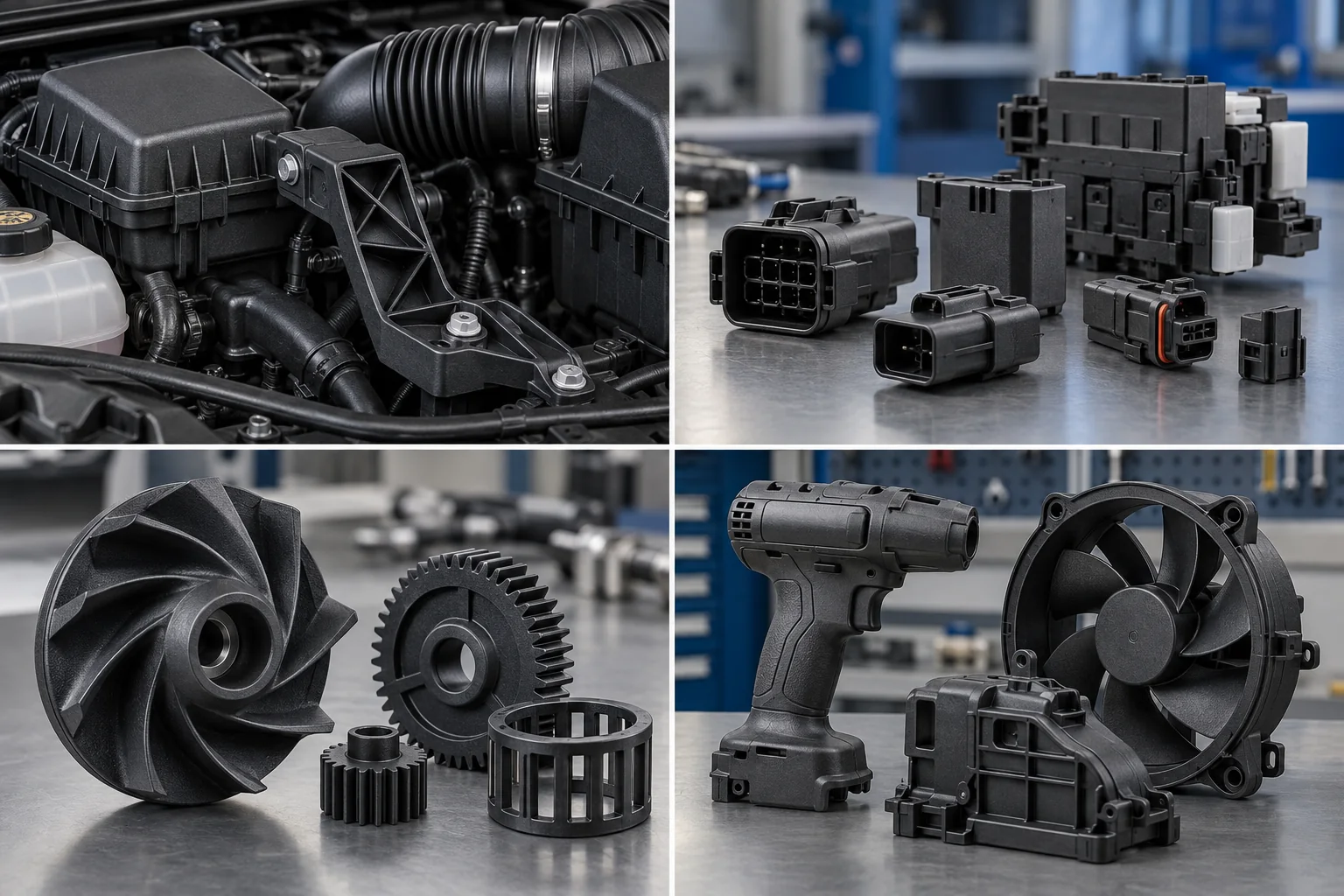
Typical PA6 GF30 application directions include under-hood structures, electrical housings, pump and gear components, power-tool structures, and appliance fan assemblies.
Application and Design Considerations
Automotive structures
Brackets, supports, air-management parts, clips, and selected housings can benefit from stiffness, heat resistance, and dimensional control after heat-aging and vibration requirements are confirmed.
Electrical components
Connector bodies, terminal housings, sensor supports, and circuit-protection parts require verification of electrical performance, flame rating, temperature, and environmental exposure.
Industrial motion parts
Gears, bearing cages, guides, impellers, and pulleys should be evaluated for wear, lubrication, alignment, impact, moisture, and continuous mechanical load.
Tools and appliances
Structural housings, fan supports, and pump components can use reinforced nylon where strength, stiffness, weight, and molding productivity must be balanced.
Injection Molding Variables That Affect Test Results
Drying and material handling should follow the current grade instructions. Excess moisture before molding can change appearance, viscosity, and mechanical consistency. Melt and mold temperatures, injection speed, packing, venting, residence time, and screw conditions should be established from supplier guidance and confirmed on the production tool.
Fiber orientation is a major design factor. Gate position and flow path influence strength, stiffness, warpage, and shrinkage. Balanced wall thickness, suitable radii, appropriate draft, controlled weld-line placement, and conditioned-part validation reduce the gap between standard test specimens and production components.
For a broader material definition and datasheet overview, see the PA6 GF30 datasheet and material guide. For part-oriented examples, visit the PA6 GF30 engineering application guide.
Why Choose WanHan
WanHan has worked with functional polymer materials since 2005 and supports automotive, electrical, appliance, and industrial applications in more than 30 countries.
Since 2005
Independent R&D, production, and application support for functional polymer materials.
Four Certified Systems
ISO 9001, ISO 14001, ISO 45001, and IATF 16949.
Material Verification
Testing equipment, grade evaluation, quality control, and production consistency checks.
Application Support
Grade recommendations, samples, technical documents, color support, and processing guidance.
Frequently Asked Questions
What are the main PA6 GF30 properties?
PA6 GF30 is commonly selected for stiffness, strength, dimensional stability, heat performance, and load support. Exact values depend on the grade, conditioning, fiber direction, and test method.
Are the listed PA6 GF30 values universal?
No. The table shows published values for WanHan grade PA6-WHG30B. Other 30% glass-filled nylon 6 compounds can differ because of formulation, color, conditioning, and processing.
What does an 8,500 MPa flexural modulus indicate?
It indicates high bending stiffness under the referenced test method. Finished-part stiffness also depends on geometry, temperature, moisture, fiber orientation, and load duration.
Does moisture change PA6 GF30 performance?
Yes. Nylon 6 absorbs moisture, which can affect stiffness, toughness, dimensions, and test results. Evaluate conditioned parts in the intended service environment.
What should be validated before production approval?
Confirm the exact grade data sheet, molding conditions, dimensions, weld lines, impact, heat aging, moisture exposure, chemicals, flame requirements, and critical tests on the finished part.
Request PA6 GF30 Test Data and Samples
For the current PA6-WHG30B technical data sheet, sample discussion, grade comparison, or application review, contact WanHan at [email protected] or +86 13537012277.
PA6 vs PA66: Key Differences and Material Selection
PA6 GF30 Engineering Applications and Design Guide
Related Article