PA66 GF50 Material: High-Stiffness Properties and Applications
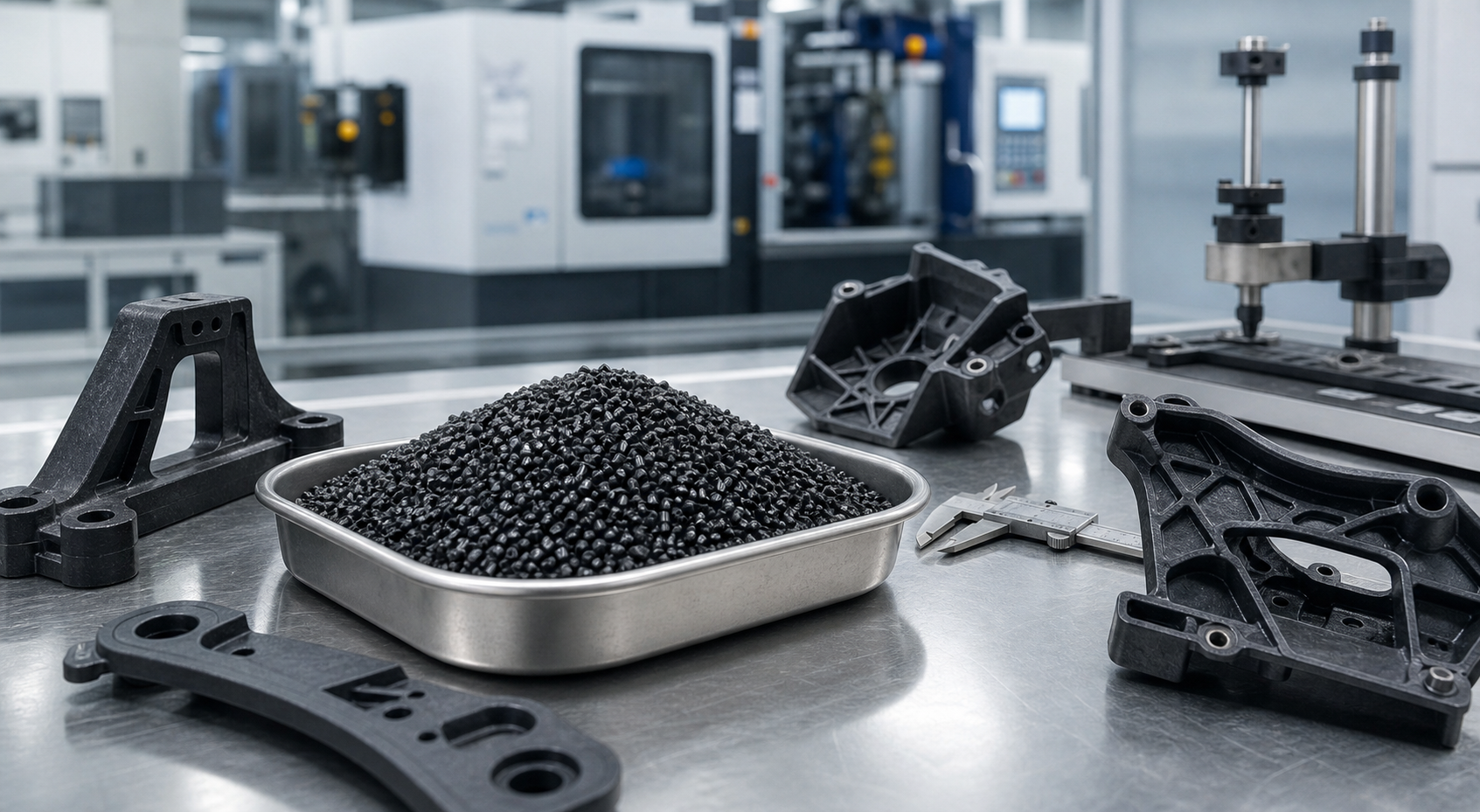
PA66 GF50 material combines nylon 66 with approximately 50% glass fiber to deliver very high stiffness, strength, creep resistance, and dimensional control. It is considered for metal-replacement brackets, pump and valve parts, automotive structures, power-tool components, industrial frames, and load-bearing electrical parts.
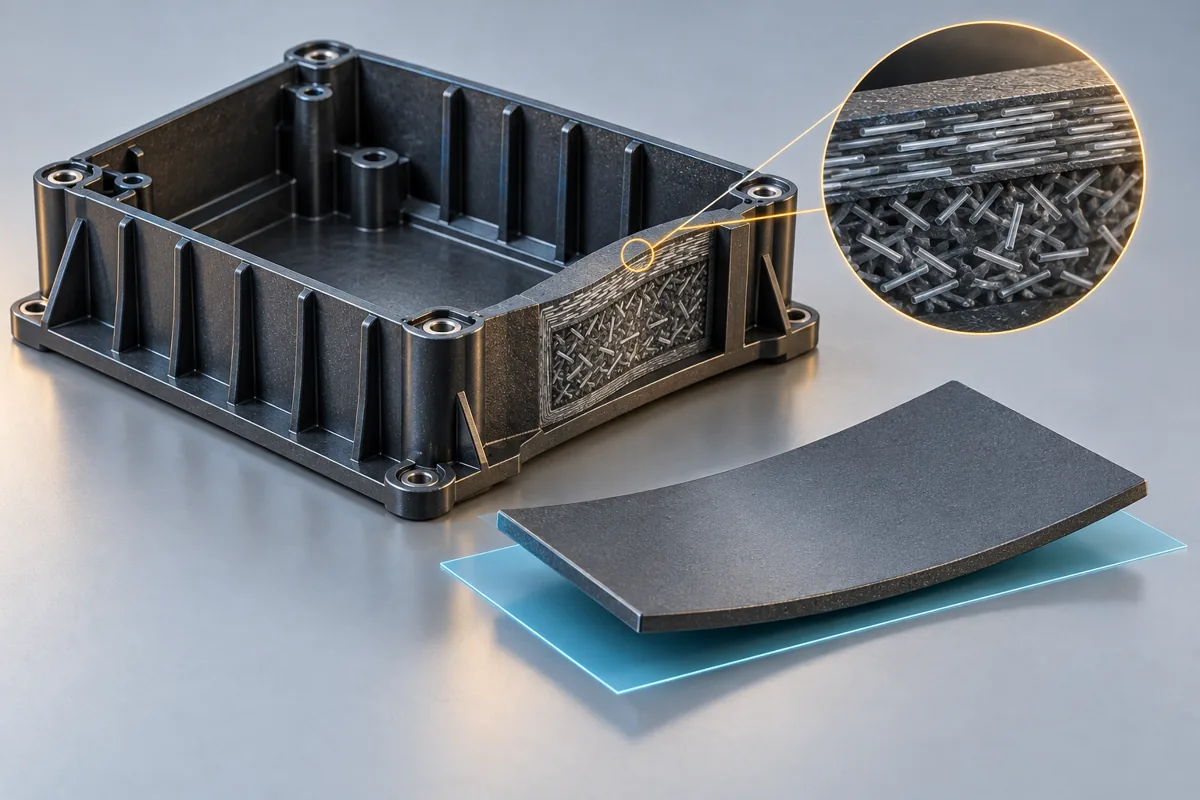
The high glass content also introduces design and molding challenges. Fiber orientation, weld-line strength, tool wear, surface quality, and anisotropic shrinkage need tighter control than with PA66 GF30. Buyers should compare the project with WanHan's broader glass-filled PA66 range before specifying 50% glass as a fixed requirement.
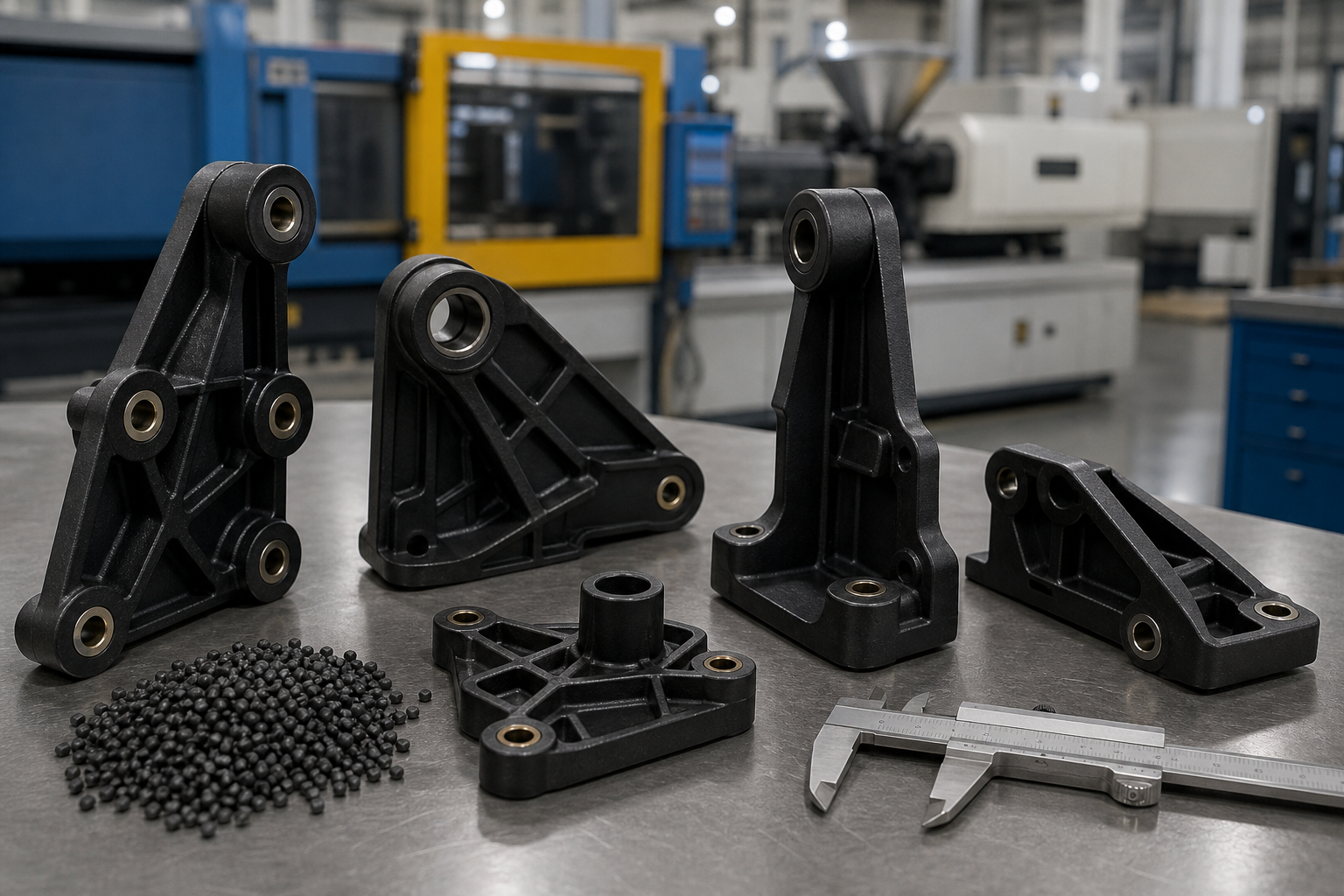
Typical PA66 GF50 Properties
Representative values vary by grade, fiber system, test method, and conditioning. Use these ranges for initial screening only.
| Property | Representative range | Design implication |
|---|---|---|
| Density | About 1.55-1.65 g/cm3 | Higher than PA66 GF30 but still useful for metal replacement |
| Tensile strength, dry | About 200-260 MPa | High structural load capability |
| Flexural modulus, dry | About 15-20 GPa | Low deflection and high rigidity |
| Melting range | About 255-265 C | PA66 drying and thermal-control requirements remain critical |
| Mold shrinkage | Often about 0.1-0.5% | Low overall shrinkage but strong directional behavior |
When 50% Glass Fiber Is Justified
- A bracket or frame must limit deflection under sustained mechanical load
- A molded component is replacing aluminum, zinc, or another heavier material
- High dimensional stability is required at elevated temperature
- The design can accommodate lower elongation and a more fiber-visible surface
- The mold, gate, and wear components are designed for highly reinforced compounds
PA66 GF50 is not automatically better than PA66 GF30. If the part includes snap fits, sharp corners, cosmetic surfaces, complex weld lines, or impact-sensitive features, a lower glass content or impact-modified route may deliver a more reliable finished part.
Part Design and Molding Risks
| Risk | Cause | Control direction |
|---|---|---|
| Warpage | Strong fiber orientation and directional shrinkage | Balanced gates, uniform walls, symmetrical ribs, and cavity measurement |
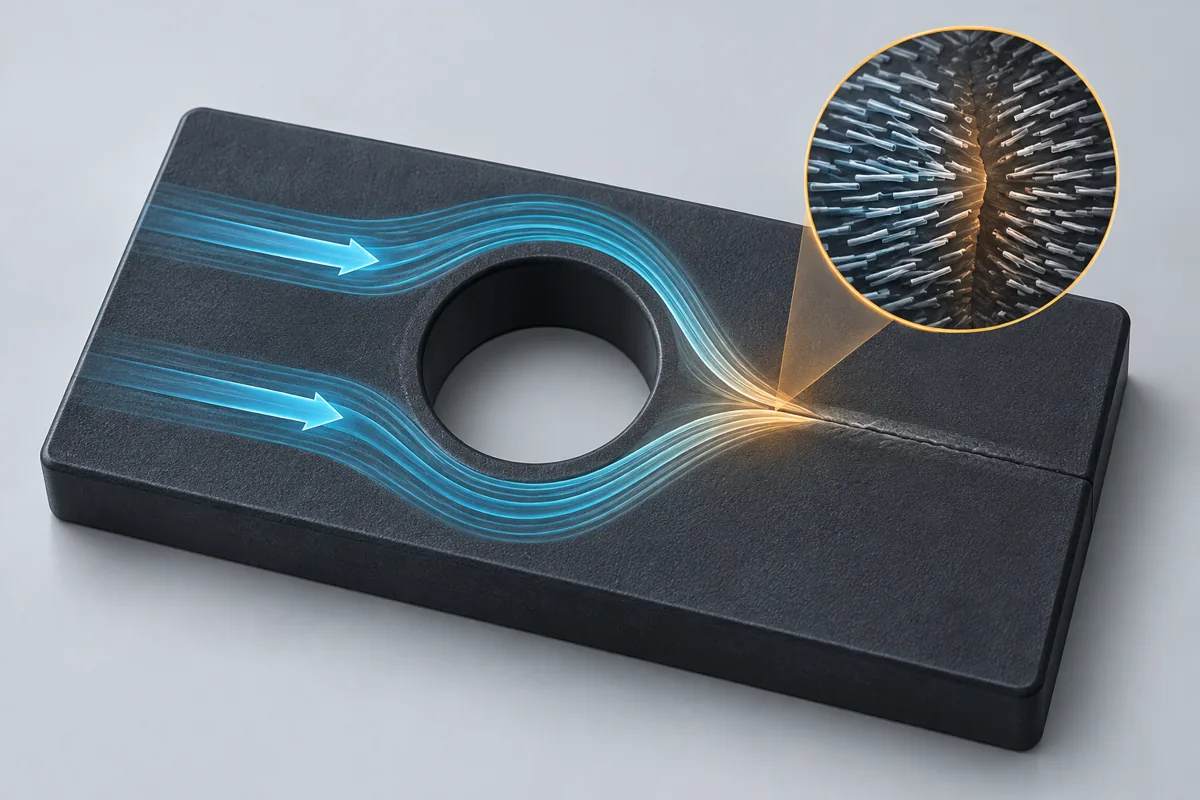
| Weak weld lines | Fibers do not bridge the flow front effectively | Relocate weld lines, improve venting, and validate load direction |
| Surface fiber | High reinforcement near the molded surface | Grade selection, mold temperature, flow control, and realistic appearance standard |
| Tool wear | Abrasive glass fibers | Hardened steel, wear-resistant gates, and maintenance planning |
| Brittle local features | Low elongation and stress concentration | Larger radii, thicker roots, metal inserts, and assembly validation |
Drying and melt control remain essential. The process window should avoid excessive shear and residence time while maintaining complete filling around inserts and thin structural features.
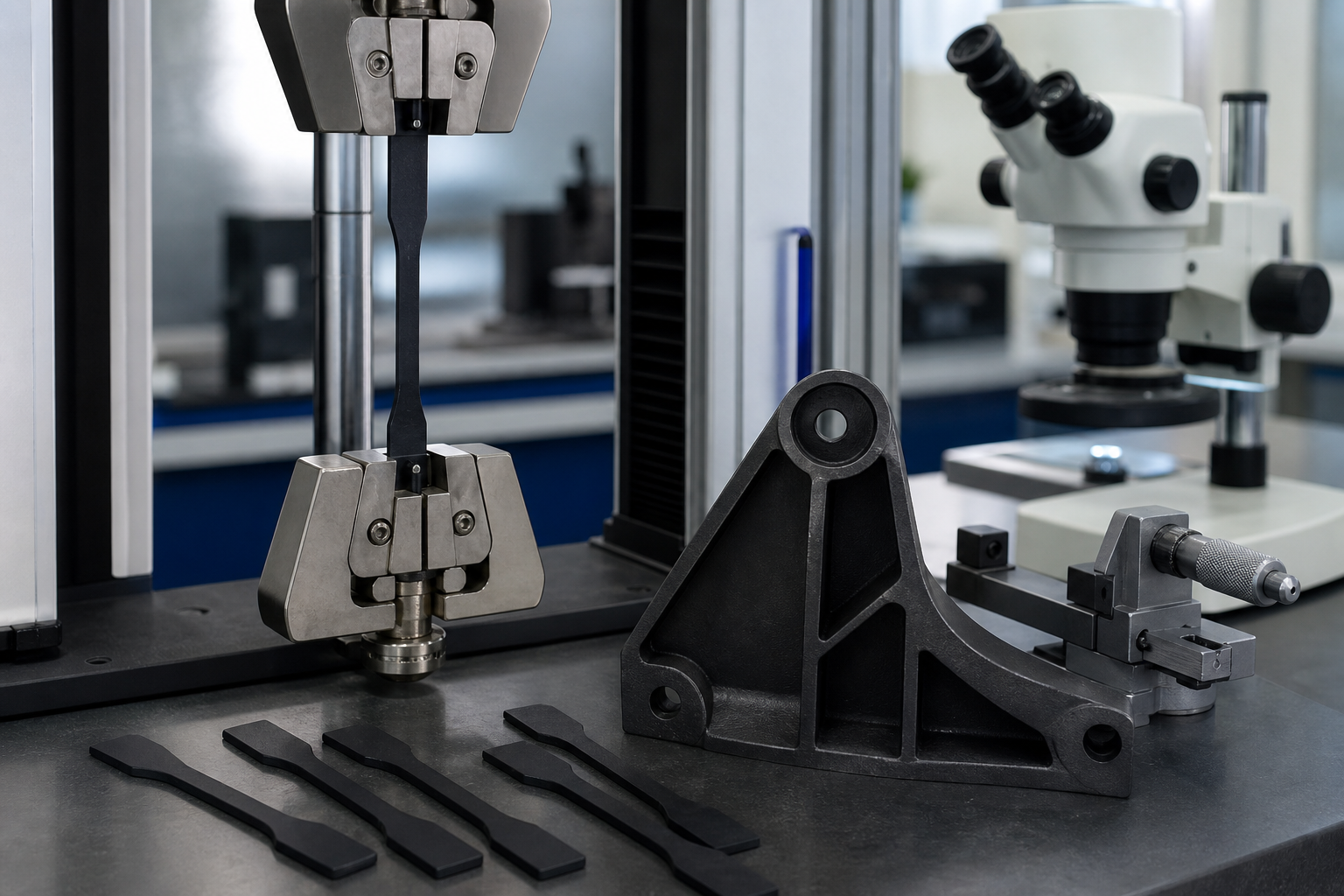
Application and Supplier Validation
- Automotive structural brackets, seat and mirror structures, and under-hood supports
- Industrial pump bodies, valve parts, machine frames, and conveyor components
- Power-tool gear supports, rigid housings, and load-bearing frames
- Electrical and electronic structures requiring high stiffness and heat resistance
- Metal-replacement parts where weight, corrosion, assembly, and production efficiency matter
For a useful recommendation, provide the part drawing, load direction, deflection limit, continuous temperature, chemical and moisture exposure, surface requirement, joining method, and annual demand. WanHan can compare PA66 GF30, GF50, heat-stabilized, hydrolysis-resistant, flame-retardant, and low-warpage options before samples are molded.
Why Choose WanHan for Engineering Plastic Compounds?
Since 2005, WanHan has focused on the independent R&D, production, and sales of functional polymer materials for sustainable industrial applications. Our engineering plastic compounds are used in automotive, electronics, home appliances, and industrial components where consistent performance matters.
- ISO 9001, ISO 14001, ISO 45001, and IATF 16949 certified management systems
- Full sets of testing equipment for incoming material, process, and finished-compound quality control
- Support for glass-fiber reinforcement, flame retardancy, heat stabilization, color, and application-specific modification
- Sample, technical data, processing guidance, and production follow-up for B2B projects
- Export experience serving customers in more than 30 countries
Request a Material Recommendation
Send the part application, drawing, service environment, target properties, reinforcement or flame requirement, color, compliance needs, estimated annual demand, and the main issue with the current material. Contact WanHan for grade screening, samples, technical data, and production support, or review the engineering plastic product range.
Frequently Asked Questions
Q: What is PA66 GF50?
A: PA66 GF50 is nylon 66 compounded with approximately 50% glass fiber for very high stiffness, strength, creep resistance, and dimensional control.
Q: What is the typical density of PA66 GF50?
A: Many PA66 GF50 grades are around 1.55-1.65 g/cm3, depending on the glass system and additives.
Q: Is PA66 GF50 stronger than PA66 GF30?
A: It usually provides higher stiffness and strength, but it can also increase warpage, weld-line risk, surface fiber, tool wear, and local brittleness.
Q: Can PA66 GF50 replace metal?
A: It can in suitable designs, but load, creep, temperature, moisture, tolerances, fastening, and safety factors must be validated on the finished part.
Q: Can WanHan help compare PA66 GF30 and PA66 GF50?
A: Yes. WanHan can review the drawing and service conditions, recommend candidate grades, provide technical information, and support sample validation.
Nylon 6 Thermal, Moisture, Modulus and Hardness Guide
PA6 GF15 Properties, Processing, and Application Guide
Related Article