
Recycled ABS Material: Uses, Limits, and Selection Guide
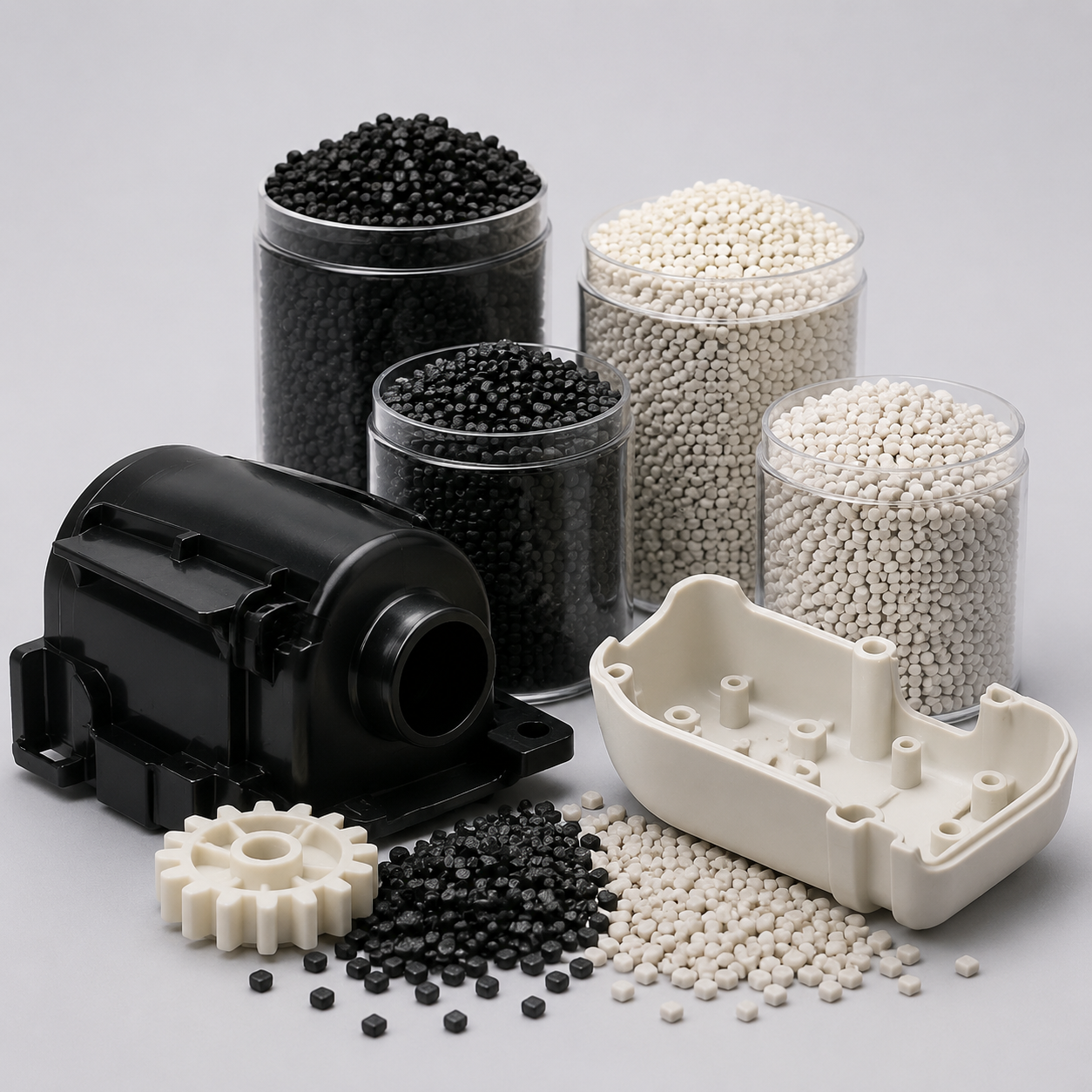
Recycled ABS Material: Uses, Limits, and Selection Guide
Recycled ABS material is usually considered when a project wants some sustainability benefit while still using a familiar, moldable ABS-based material family. Buyers often ask where recycled ABS can fit realistically, what the quality risks are, and when virgin ABS is still the safer choice.
The answer depends on part function, appearance target, batch consistency, and whether the component is structural, cosmetic, or non-critical.
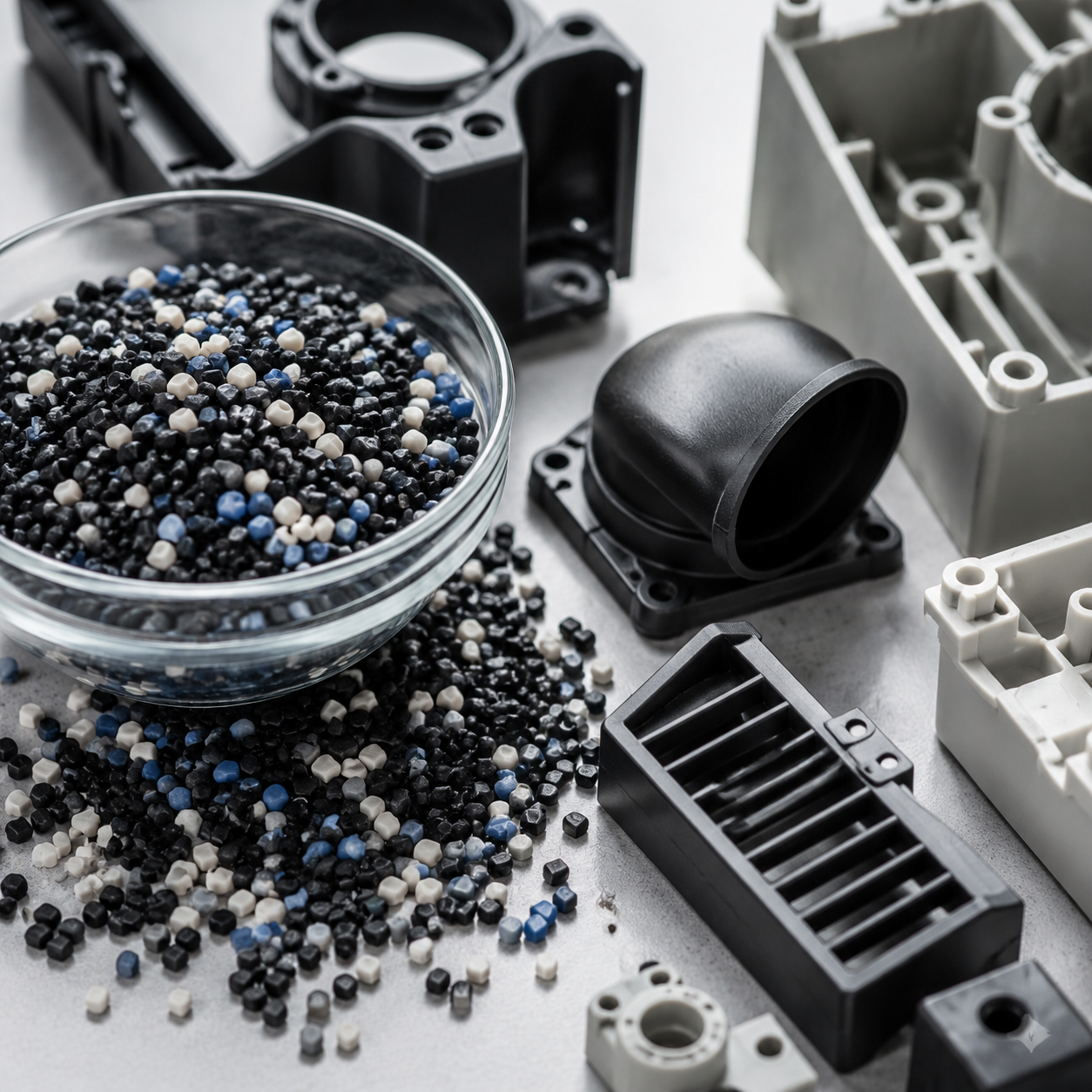
Where Recycled ABS Usually Fits Best
| Part Type | Typical Recycled ABS Fit |
|---|---|
| Appearance-sensitive non-critical parts | Often one of the first areas considered |
| General housings and covers | Possible when performance targets remain manageable |
| Higher-risk structural parts | Usually needs stricter validation before approval |
| Brand sustainability programs | Relevant when recycled-content goals are part of sourcing |
Main Evaluation Questions
- How stable is batch quality and color?
- What recycled-content level is being claimed?
- Can the part tolerate more variation than a virgin ABS program?
- Will surface finish, odor, or cosmetic variation affect acceptance?
- Is the part function low-risk enough for a recycled-content route?
For baseline comparison, it helps to review the ABS material guide, the ABS injection molding guide, and the PCR engineering plastics guide before moving to a recycled ABS program.
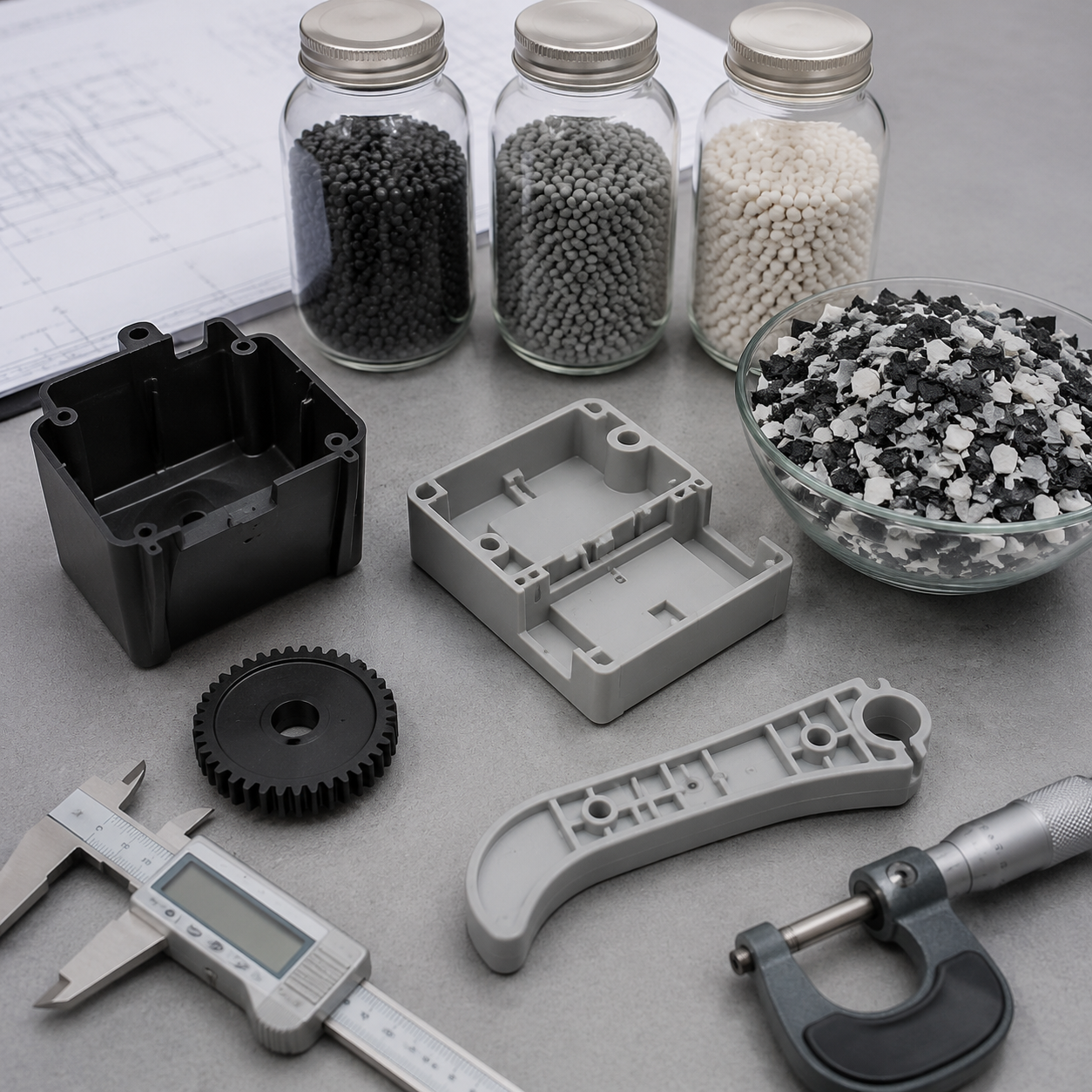
When Virgin ABS May Still Be Better
If the part has tight appearance standards, critical mechanical demands, or low tolerance for batch variation, virgin ABS may still be the better fit. Recycled ABS works best when the application, validation plan, and commercial expectations are aligned realistically.
For project matching, teams often compare WanHan's ABS catalog, ABS FR material, and broader recycled-content guidance before making a final call.
Why Choose WanHan for Engineering Plastic Projects?
Since 2005, WanHan has focused on independent R&D, production, and global sales of functional engineering plastics for more sustainable industrial applications. Certified to ISO 9001, ISO 14001, ISO 45001, and IATF 16949, we operate with complete in-house testing equipment and strict quality control throughout development and production. Our materials are exported to more than 30 countries and are widely used in automotive, electronics, home appliances, and industrial applications that require higher-performance polymer solutions.
- Application-based material selection support for OEM, injection molding, and product development teams.
- Custom compounding capability for glass fiber, flame-retardant, carbon fiber, mineral-filled, impact-modified, anti-UV, and color-customized grades.
- Full quality control with in-house testing equipment and certified systems for more stable repeat orders and production consistency.
- Free sample support, technical data sheets, and processing guidance to shorten validation time before mass production.
- Fast quotation response, export-ready packaging, and practical support for long-term B2B supply projects.
If you are selecting a resin for a new project or replacing an existing grade, WanHan can help with grade matching, sample preparation, and custom compound evaluation. You can send your target application, part drawing, annual quantity, or required properties through WanHan's inquiry page to get a faster quotation and material recommendation. You can also review top-sale engineering plastic grades for faster project matching.
WanHan can help screen whether a recycled ABS route is technically realistic for the target part or whether a virgin ABS or different resin family is a safer long-term production decision.
Frequently Asked Questions
Q: What is recycled ABS material?
A: Recycled ABS material is an ABS-based plastic route that includes recycled content and is considered for selected molded-part programs.
Q: What is recycled ABS used for?
A: Recycled ABS is often considered for housings, covers, and non-critical molded parts where recycled-content goals matter.
Q: What are the limits of recycled ABS?
A: Its main limits can include batch variation, cosmetic inconsistency, and more cautious use in high-risk structural parts.
Q: Should recycled ABS always replace virgin ABS?
A: No. The decision depends on performance risk, appearance expectations, and whether the part can tolerate more variability.
Q: Can WanHan help evaluate recycled ABS projects?
A: Yes. WanHan can help compare recycled ABS with virgin ABS and other practical options based on part function and production risk.
Halogen-Free PBT: Electrical Housing Material Selection Guide
Nylon 6 vs Nylon 66 for Injection Molding: Key Differences and Selection
Related Article



