How Nylon 6 Is Made: Manufacturing Process Guide
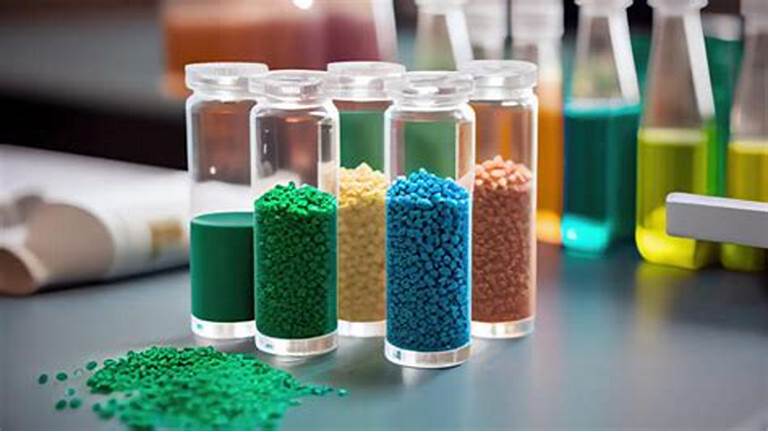
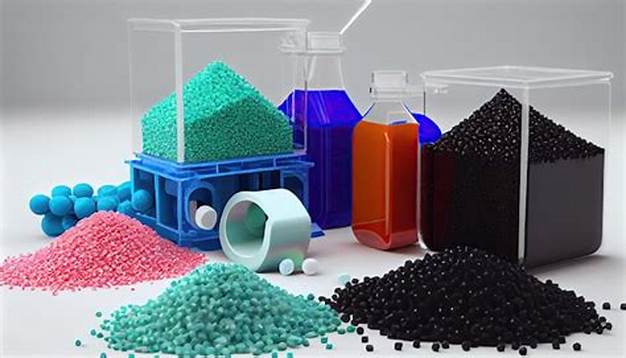
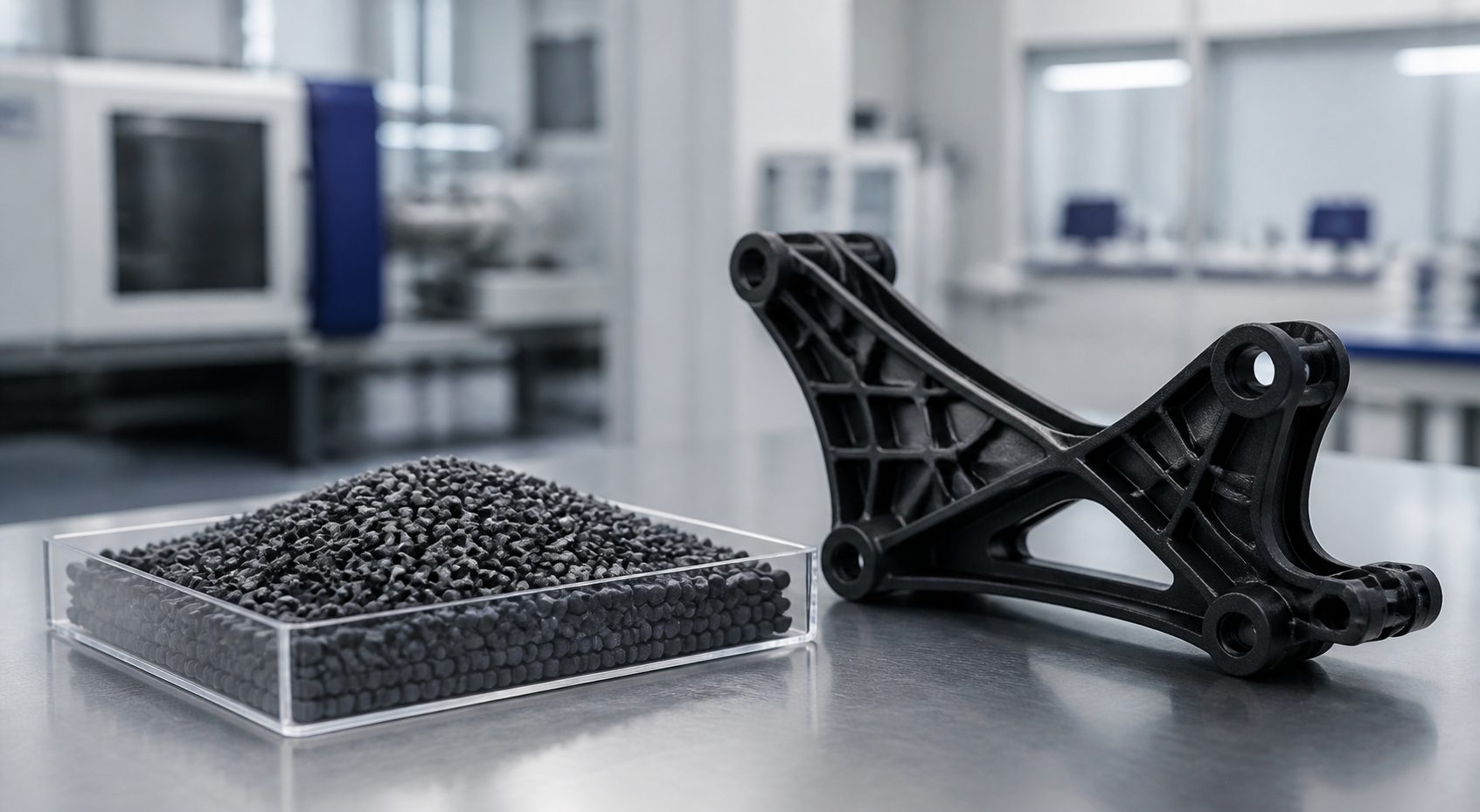
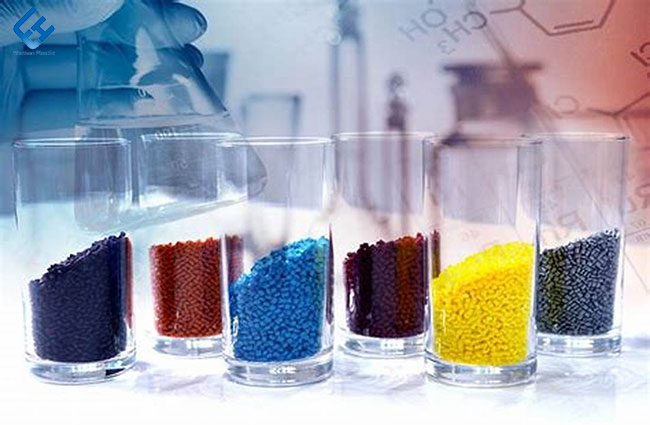
Nylon 6, also called PA6 or polyamide 6, is commonly produced from caprolactam through ring-opening polymerization. For engineering-plastic applications, the polymer is then purified, dried and converted into pellets; those pellets may be compounded with glass fiber, impact modifiers, flame-retardant systems, heat stabilizers, color or other additives before molding. Understanding each stage helps engineers interpret grade data, processing behavior and part-to-part consistency.
Nylon 6 Manufacturing Process at a Glance
1. Feed preparation
Caprolactam, water and the required reaction-control ingredients are measured and prepared under controlled conditions.
2. Polymerization
The caprolactam ring opens and the molecules join to form long PA6 polymer chains.
3. Purification and drying
Residual low-molecular material is reduced, and the polymer is dried to a controlled moisture level.
4. Compounding and pellets
The polymer may be modified, extruded, cooled and cut into consistent pellets for downstream processing.
Step-by-Step: How Nylon 6 Is Made
1. Caprolactam feed preparation
Caprolactam is the principal starting material. Water commonly helps initiate ring opening, while the exact process may use additives that control molecular weight, stability or the final formulation. Feed purity and accurate dosing matter because contamination or uncontrolled water can affect color, viscosity and polymer performance.
2. Ring-opening polymerization
Under controlled heat, pressure and residence time, the cyclic caprolactam molecules open and connect into linear polyamide chains. The reaction is managed to obtain a suitable molecular-weight distribution and melt viscosity. Temperature history is important: insufficient reaction can leave excessive residual material, while excessive heat exposure can contribute to degradation or discoloration.
3. Extrusion, cooling and initial cutting
The polymer melt is discharged in strands or another controlled form, cooled and cut into chips or pellets. This converts the reactor output into a manageable shape for purification, drying and later compounding. Stable strand formation and pellet size help support consistent feeding in downstream equipment.
4. Extraction or washing
Fresh PA6 can contain unreacted caprolactam and low-molecular oligomers. A washing or extraction stage reduces these residuals. The target depends on the intended product and process, but control is important because residual material can influence odor, deposits, color, viscosity and long-term part performance.
5. Drying and moisture control
After washing, the polymer is dried. PA6 is hygroscopic, so it can absorb moisture from the air. Moisture must be controlled before high-temperature extrusion or molding because excessive water can reduce molecular weight through hydrolytic degradation. Packaging and storage should therefore protect the pellets until use.
6. Compounding for the required grade
Base PA6 can be processed as an unfilled resin or compounded in an extruder. Depending on the application, the formulation may include glass fiber for stiffness, impact modifiers for toughness, flame-retardant systems, heat or UV stabilizers, lubricants and color. Screw design, feed sequence, melt temperature and fiber handling affect dispersion, fiber length and pellet quality.
7. Pelletizing, screening and quality checks
The compounded strand or melt is cooled and cut into pellets. Screening removes unwanted fines or oversized material. Typical quality checks can include moisture, viscosity or flow behavior, color, filler content, density and selected mechanical, electrical or flame-related properties. The exact test plan should match the grade specification and intended application.
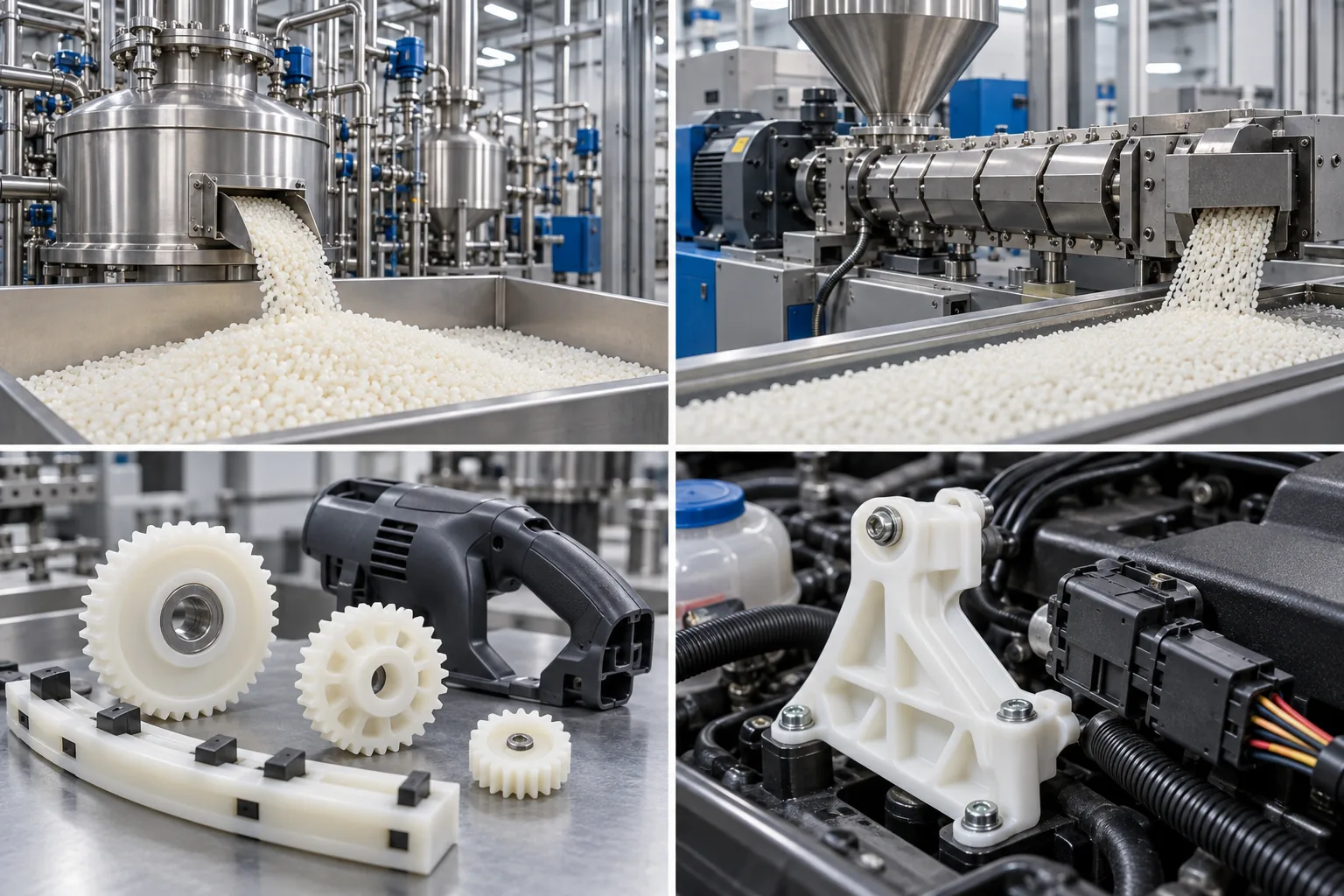
Two Downstream Routes: Fiber and Engineering Plastic
| Route | Typical next steps | Result |
|---|---|---|
| Fiber route | Melt spinning, cooling, drawing and texturing | Filaments or industrial yarn |
| Engineering-plastic route | Compounding, pelletizing, drying and molding | Automotive, electrical, appliance and industrial parts |
What Controls Final PA6 Performance?
- Molecular weight and viscosity: influence melt behavior, toughness and processing stability.
- Moisture: affects processing, stiffness, toughness and dimensions; compare dry-as-molded and conditioned data.
- Reinforcement and additives: can change strength, warpage, surface, density, electrical behavior and aging.
- Thermal history: excessive residence time or temperature may degrade the resin.
- Part and mold design: gates, wall thickness, weld lines and fiber orientation can change actual component performance.
Why Choose WanHan?
Controlled quality systems
Documented production and testing support repeatable material evaluation and supply.
Application-focused grades
Unfilled, reinforced, impact-modified, stabilized, flame-retardant and color options can be reviewed against part needs.
Technical evaluation support
Drawings, service conditions, target data, samples and molding feedback can be reviewed before grade approval.
Project follow-through
Technical documents, sample coordination and follow-up help approved materials move into repeat production.
Management System Certifications
ISO 9001ISO 14001ISO 45001IATF 16949
Frequently Asked Questions
What is Nylon 6 made from?
Nylon 6 is commonly made from caprolactam. Ring-opening polymerization converts the cyclic monomer into long polyamide 6 chains.
Why is freshly produced PA6 washed or extracted?
The stage reduces residual caprolactam and low-molecular oligomers that may affect odor, deposits, color, viscosity or performance.
Is all Nylon 6 melt-spun into fiber?
No. Fiber grades are melt-spun and drawn, while engineering-plastic grades are commonly supplied as pellets for extrusion, injection molding or other melt-processing methods.
Why must PA6 pellets be dried before molding?
PA6 absorbs moisture. Excess water at processing temperature can cause hydrolytic degradation, unstable flow, surface defects and reduced mechanical performance.
How is glass-filled PA6 manufactured?
Glass fiber and the required additive package are introduced during controlled melt compounding. Feed location, shear and temperature are managed to support dispersion and useful retained fiber length.
What information helps select a PA6 grade?
Share the part drawing, process, loads, continuous and peak temperature, moisture and chemical exposure, electrical or flame needs, color, approvals and expected volume.
Discuss Your Nylon 6 Application
Send the part requirements or current material reference for focused grade review and sample evaluation.
Contact WanHanUnveiling the Molecular Architecture of Nylon 6: Structural Formula and Composition
Nylon 6 Moisture Absorption and Dimensional Stability
Related Article