
Nylon 6,6: High-performance polyamide with outstanding comprehensive properties
author: WanHan Technology
2023-12-06
Is Nylon 6 6 a homopolymer or a copolymer?
Nylon 6 6 is a homopolymer. It is polymerized from one type of monomer (caprolactam) and has a more uniform molecular structure than other forms of nylon (such as Nylon 6), which also affects its properties and applications.
Material Properties of Nylon 6 6
Mechanical properties: Excellent strength and rigidity, suitable for various applications with high strength requirements.
Thermal properties: It has good thermal stability and can maintain its performance at higher temperatures, making it suitable for high temperature environments.
Chemical stability: It has good resistance to many chemicals and shows excellent chemical resistance.
Insulation properties: It has good insulation properties, making it widely used in electrical and electronic fields.
Temperature range of Nylon 6 6
Nylon 6 6 exhibits good thermal stability and its operating temperature range is relatively wide. Generally speaking, it can maintain stable performance within a temperature range, and the specific use temperature is affected by the manufacturer's production process and additives. Typically, Nylon 6 6 is used in temperatures ranging from 150 degrees Celsius to 200 degrees Celsius.
Application fields of Nylon 6 6
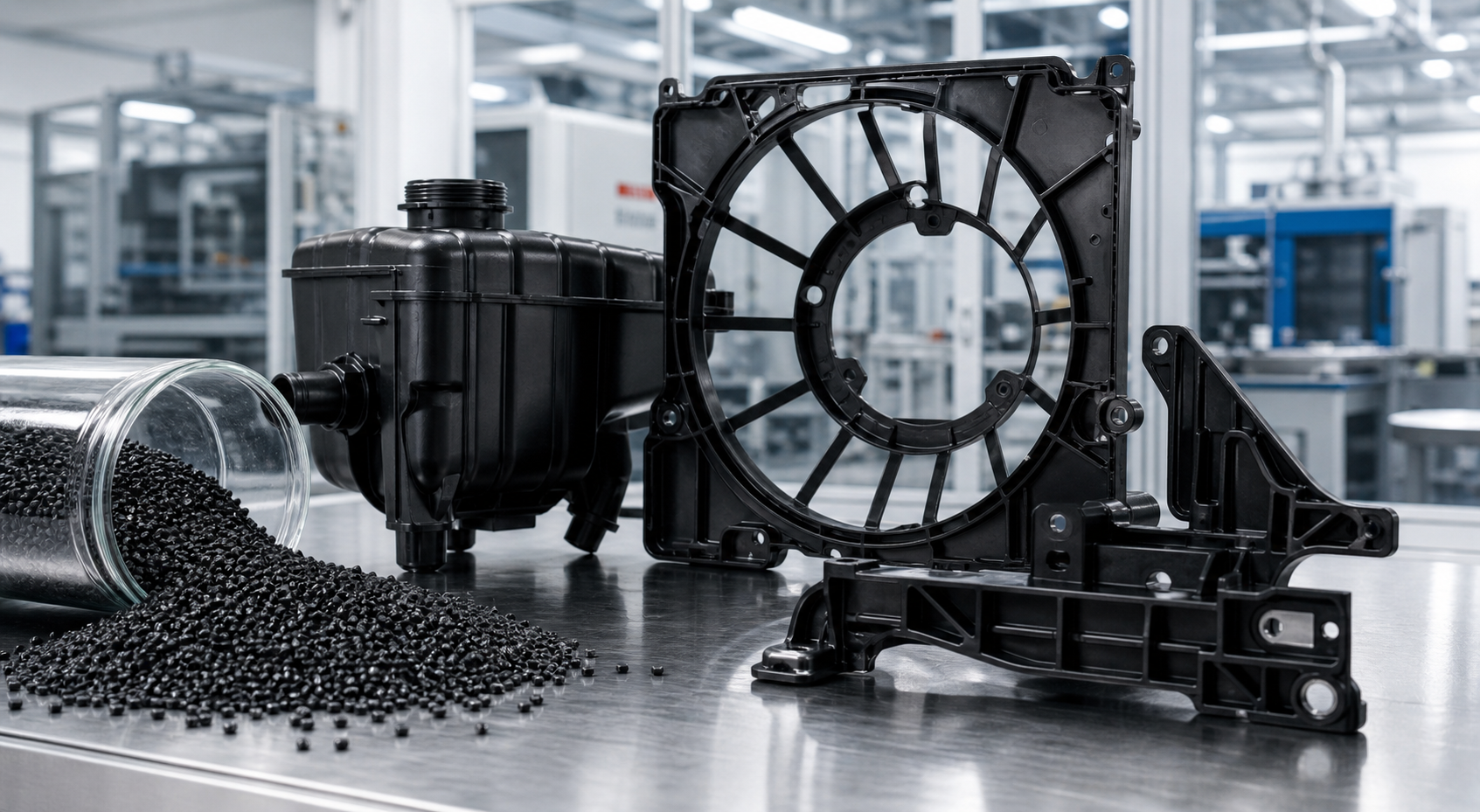
Automotive Industry: Used in the manufacture of automotive parts such as hoods, cylinder heads, transmission parts, etc. Its heat resistance and strength make it ideal for automotive manufacturing.
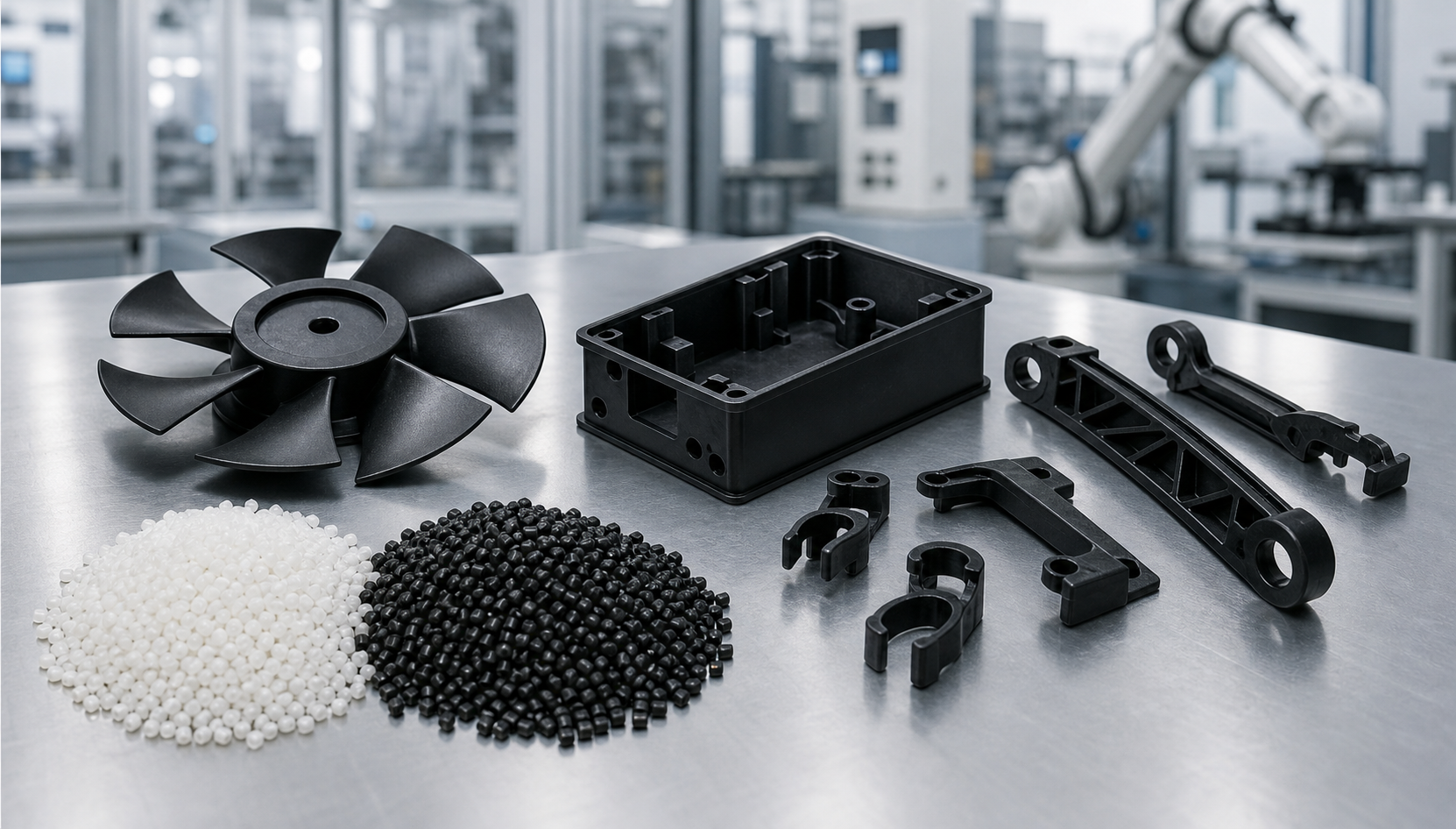
Electronic and electrical equipment: Used in the manufacture of electrical components such as sockets, connectors, cable jackets, etc. Its insulation and thermal stability make it an ideal material for electronic equipment.
Industrial products: Used to manufacture mechanical parts, bearings, gears, etc. to meet the requirements for strength, rigidity and wear resistance.
Consumer goods manufacturing: Used to manufacture high-performance consumer goods, such as sports equipment, outdoor products, etc.
Nylon 6 6 excels in many areas with its superior performance. Buyers should fully consider performance in high-temperature environments, mechanical properties, chemical resistance, and insulation properties when selecting to ensure that the final product performs well in a specific application. Take advantage of design and engineering

Nylon 6 vs Nylon 66: Chemistry and Polymer Structure
Nylon 66 30% Glass Filled: Comprehensive Analysis of Price, Shrinkage and Density
Related Article
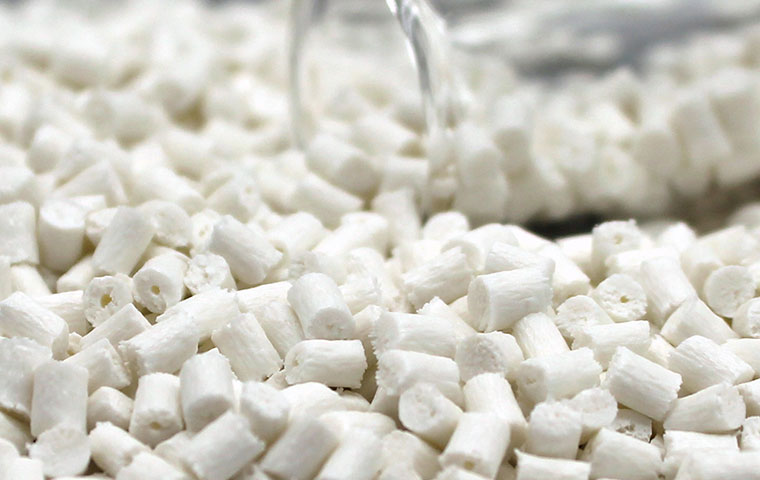
PA66 GF15 (Polyamide 66 Glass Fiber Reinforced 15%) is a high-performance plastic favored in the engineering field with excellent technical specifications and properties. We will take an in-depth look at the characteristics of this material and its use in multiple application areas. Advantage.
PA66 GF15 Plastic Granules: Technical Specifications, Properties and Wide Applications
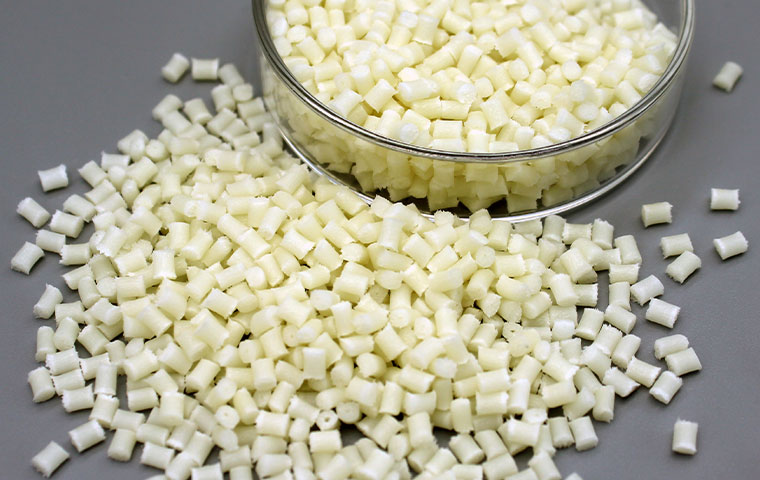
Nylon 66 30% Glass Filled (polyamide 66 30% glass fiber reinforced), as a glass fiber reinforced high-performance plastic, plays an important role in the engineering field. By comprehensively analyzing key factors such as price, shrinkage and density to meet the needs of plastic pellet buyers, we will gain insight into the performance characteristics of this material and its potential advantages in different applications.
Nylon 66 30% Glass Filled: Comprehensive Analysis of Price, Shrinkage and Density
SEND MESSAGE