PA66 GF30 – 30% Glass Fiber Reinforced Nylon 66
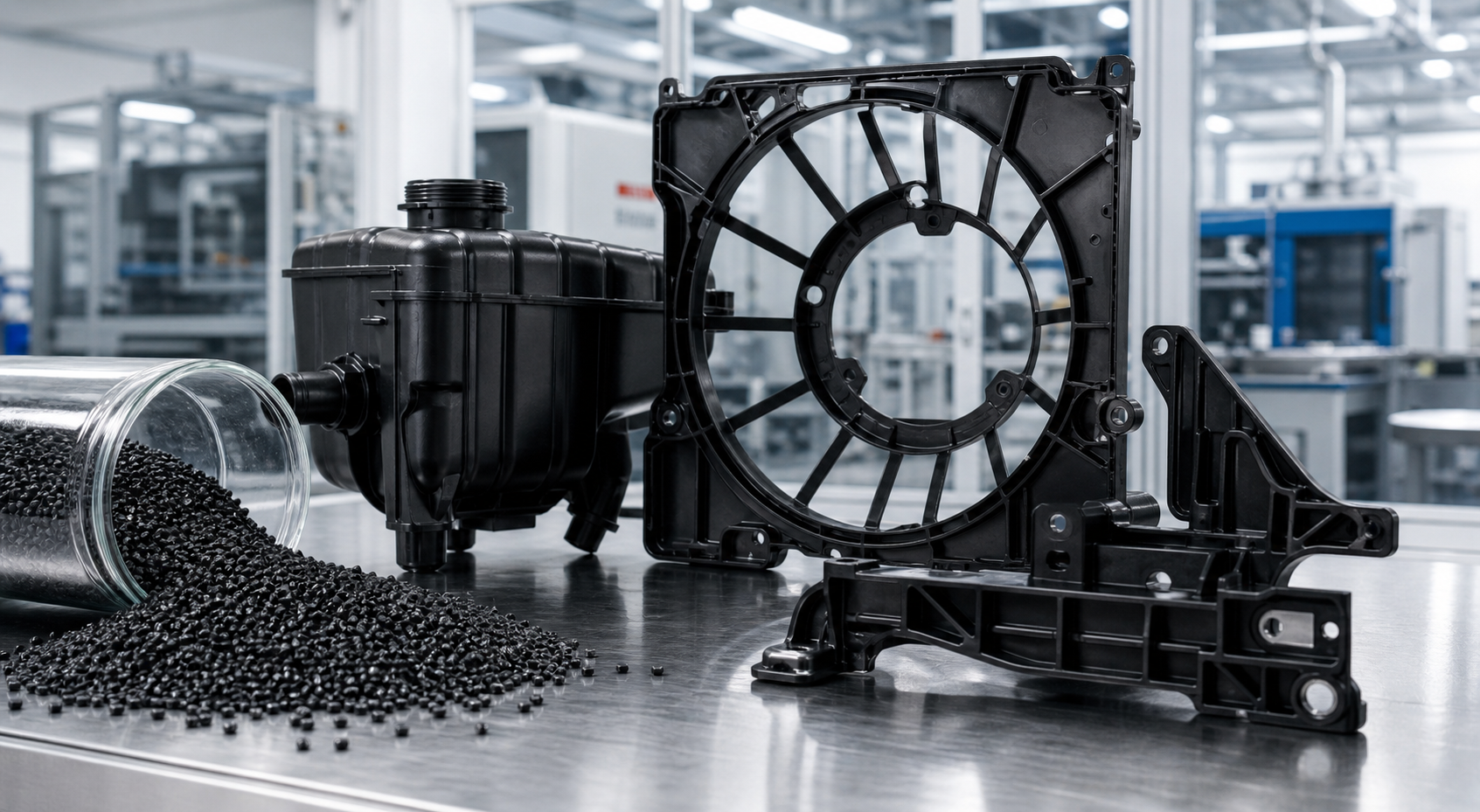
PA66 GF30 is nylon 66 reinforced with approximately 30% glass fiber. It is selected for molded parts that need higher stiffness, strength, creep resistance, and heat performance than unfilled PA66. Common projects include automotive brackets, cooling-system parts, electrical structures, fan components, power-tool parts, and industrial housings.
A useful PA66 GF30 datasheet is only the starting point. The final grade must also match moisture exposure, continuous temperature, chemical contact, dimensional tolerances, surface requirements, and molding conditions. Buyers can compare WanHan's glass-filled PA66 materials and the broader PA66 material guide before requesting samples.
PA66 GF30 Engineering Snapshot
| Item | Selection summary |
|---|---|
| Base resin | PA66 / Nylon 66 |
| Reinforcement | Approximately 30% glass fiber |
| Processing | Injection molding |
| Key benefits | Strength, stiffness, heat resistance, and dimensional stability |
| Colors | Natural, black, or custom color subject to confirmation |
| Modification options | Heat stabilized, flame retardant, UV stabilized, or hydrolysis resistant |
| Documentation | Current TDS available for the selected grade |
| Sample | Available subject to project confirmation |
For exact-grade data, review PA66-WHG30A PA66 GF30 nylon 66 pellets and request the current TDS and a molded sample for project validation.
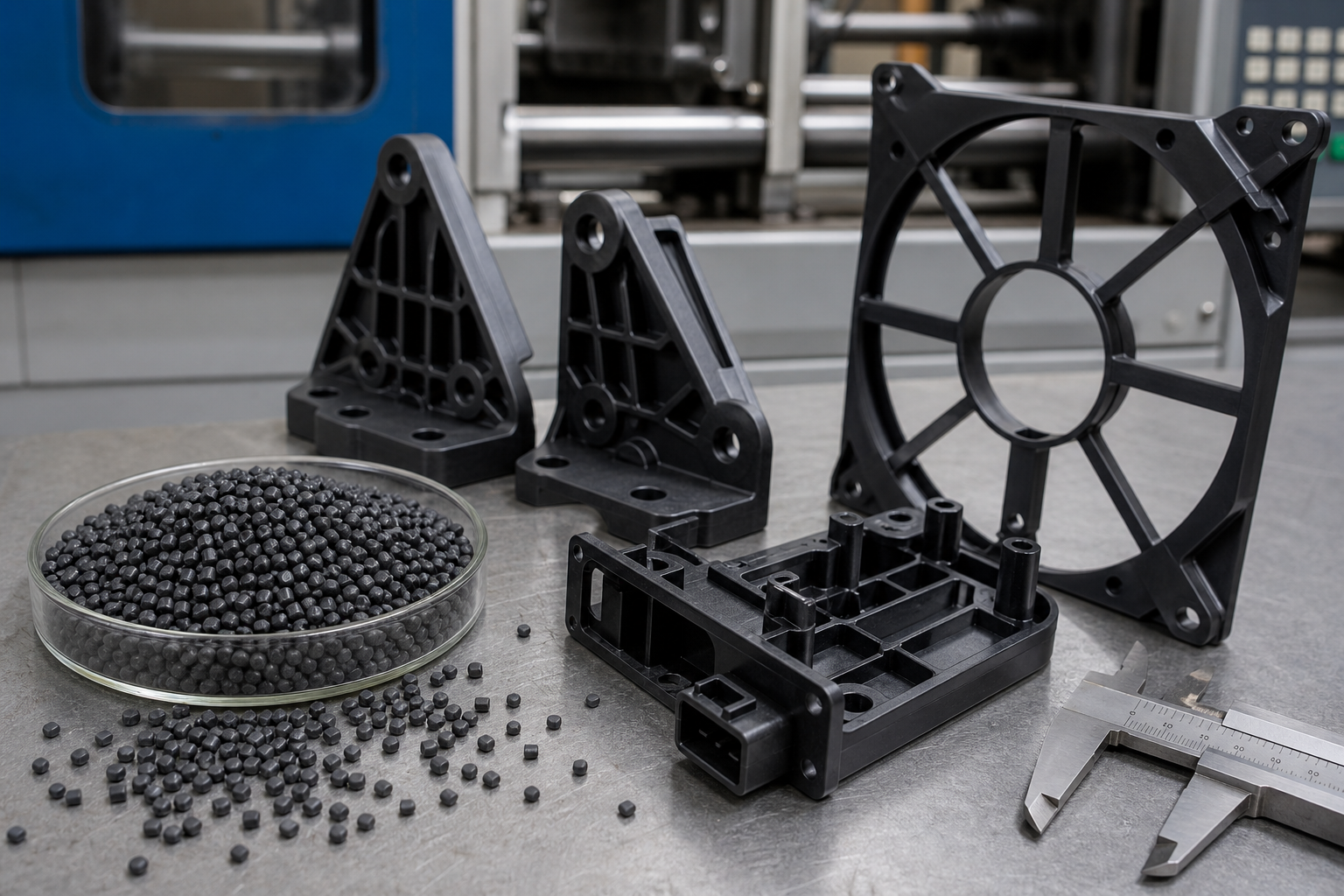
Typical PA66 GF30 Properties
The ranges below are representative screening values, not a universal product specification. Test method, conditioning, fiber orientation, color, stabilizer package, and individual grade design can change the result.
| Property | Representative range | Why it matters |
|---|---|---|
| Density | About 1.35-1.40 g/cm3 | Part weight, shot calculation, and formulation comparison |
| Tensile strength, dry | About 160-200 MPa | Load-bearing ribs, brackets, and structural housings |
| Flexural modulus, dry | About 8-10 GPa | Stiffness, deflection, and dimensional control |
| Melting range | About 255-265 C | Drying, melt-temperature, and residence-time planning |
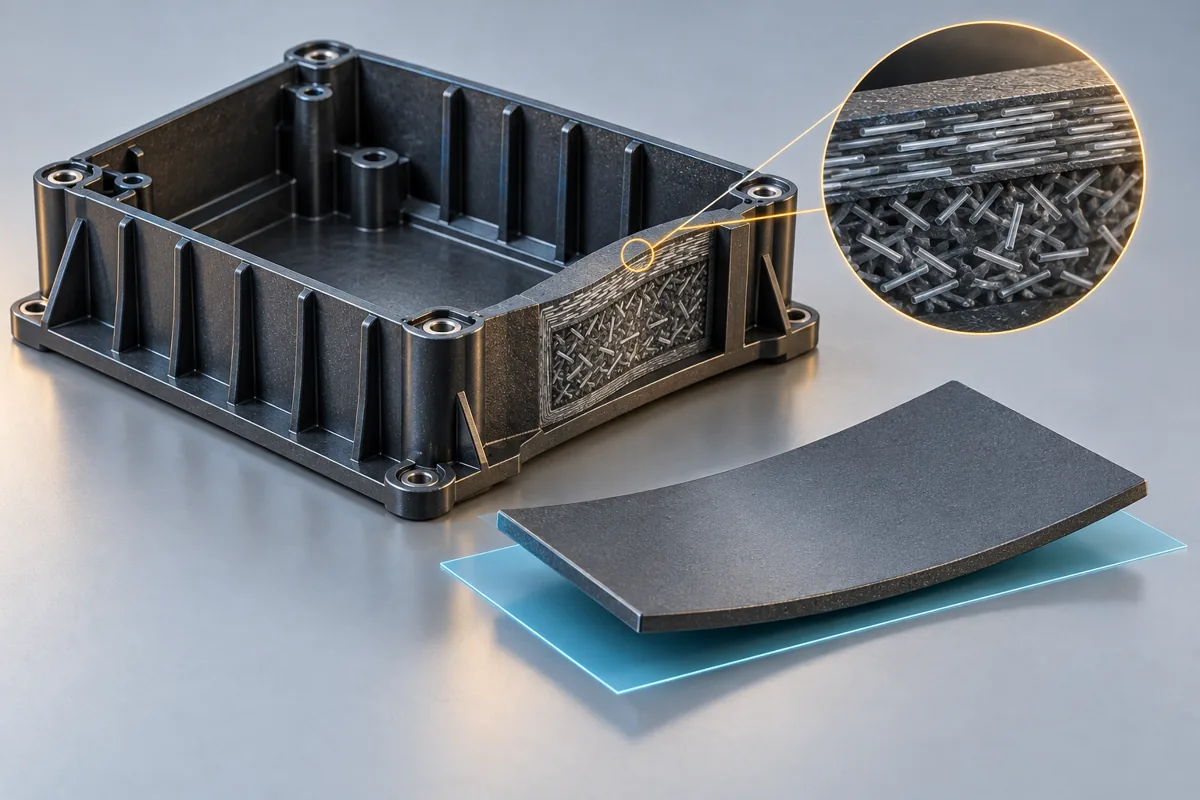
| Mold shrinkage | Often about 0.2-0.8% | Tool compensation and anisotropic warpage control |
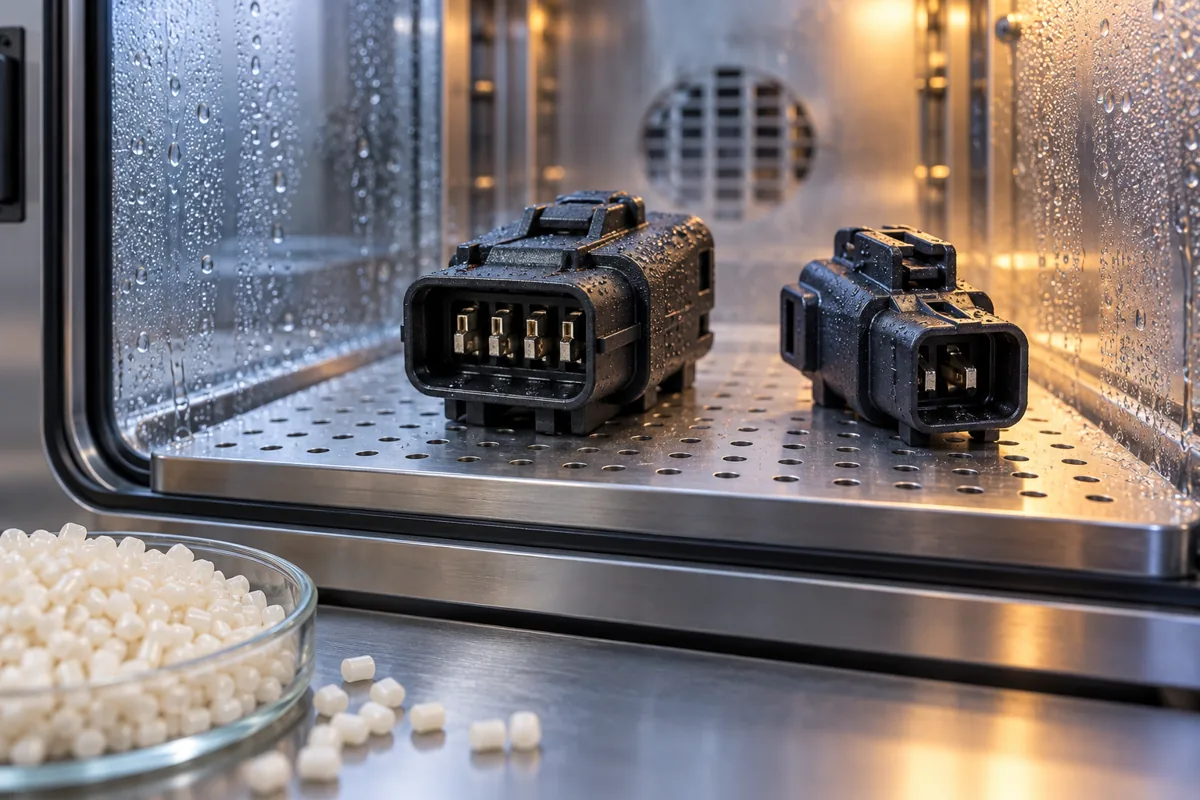
Moisture conditioning generally lowers stiffness and raises toughness. Mechanical values should therefore be reviewed in the same conditioned state used for project approval.
Where PA66 GF30 Is a Strong Candidate
- Automotive radiator tanks, fan frames, brackets, air-management components, and under-hood structures
- Electrical connector supports, coil structures, switch parts, and heat-resistant housings
- Power-tool housings, handles, gear supports, and load-bearing internal frames
- Industrial pump, valve, conveyor, and equipment components requiring stiffness and wear resistance
- Home-appliance structural parts exposed to heat, vibration, and repeated assembly loads
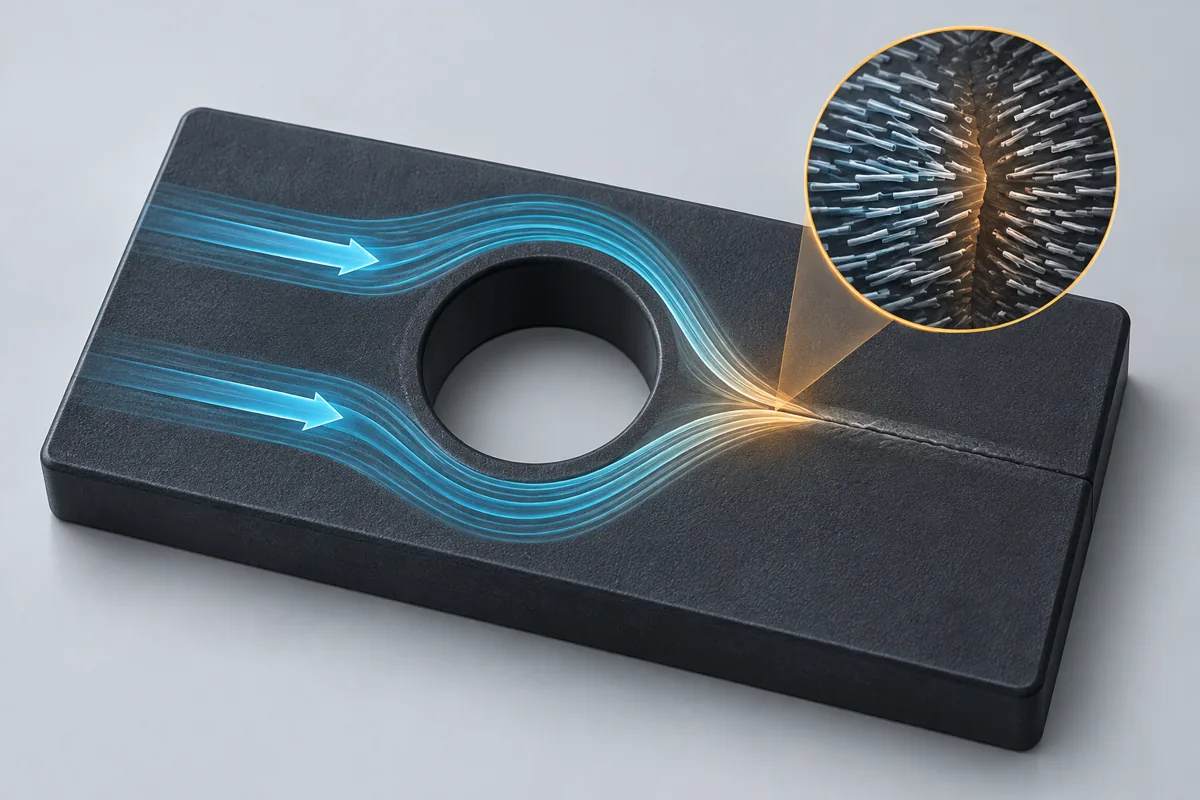
For hot-water or coolant contact, standard PA66 GF30 may not be sufficient. Hydrolysis stabilization, heat aging, weld-line strength, and retained properties after fluid exposure should be tested on the selected grade.
Processing and Part-Design Controls
PA66 must be dried to the grade supplier's moisture limit before molding. Excess moisture can reduce molecular weight and mechanical performance, while excessive residence time can discolor or degrade the compound.
- Use gate positions that control fiber orientation around critical datums and load paths
- Keep wall transitions gradual and use radii at ribs, bosses, and snap features
- Vent weld-line areas and avoid placing major weld lines at mounting or pressure-loaded features
- Measure shrinkage in both flow and transverse directions before final tool correction
- Validate metal inserts, torque, vibration, thermal cycling, and chemical contact on production-tool parts
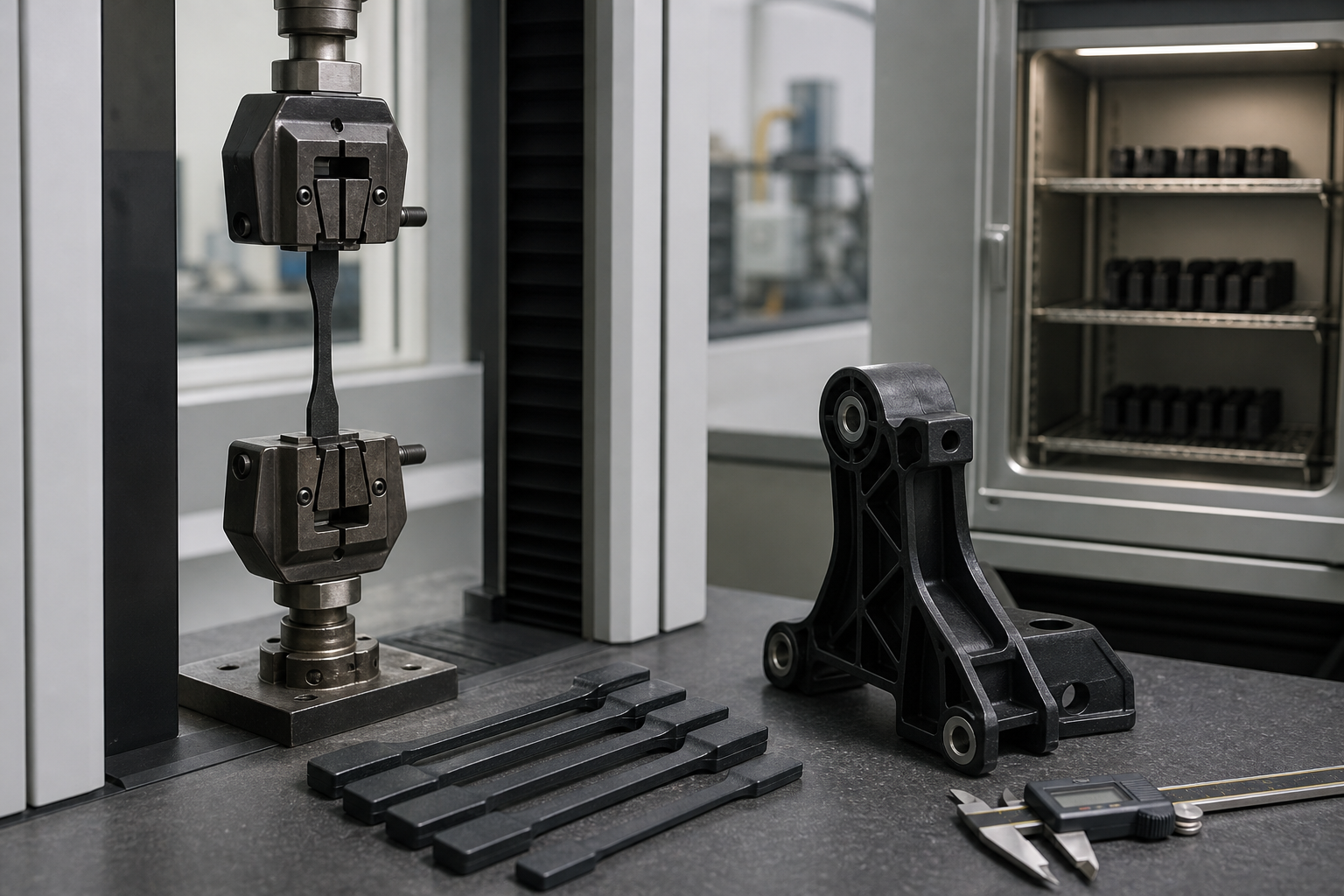
How to Specify the Right Grade
| Project requirement | Grade direction | Validation focus |
|---|---|---|
| Long-term heat exposure | Heat-stabilized PA66 GF30 | Retained strength, color, and dimensions after aging |
| Coolant or hot-water contact | Hydrolysis-stabilized PA66 GF30 | Fluid aging, burst/leak performance, and weld lines |
| Electrical safety requirement | PA66 GF30 FR | UL 94 thickness, CTI, glow wire, and deposits |
| Outdoor use | UV-stabilized and color-controlled grade | Weathering, impact retention, and appearance |
| Precision structural part | Low-warpage formulation | Fiber orientation, cavity balance, and dimensional capability |
Send WanHan the part drawing, continuous and peak temperature, load, moisture and chemical exposure, required approvals, color, annual demand, and current material problem. This allows the technical team to recommend a practical starting grade and sample plan.
Why Choose WanHan for Engineering Plastic Compounds?
Since 2005, WanHan has focused on the independent R&D, production, and sales of functional polymer materials for sustainable industrial applications. Our engineering plastic compounds are used in automotive, electronics, home appliances, and industrial components where consistent performance matters.
- ISO 9001, ISO 14001, ISO 45001, and IATF 16949 certified management systems
- Full sets of testing equipment for incoming material, process, and finished-compound quality control
- Support for glass-fiber reinforcement, flame retardancy, heat stabilization, color, and application-specific modification
- Sample, technical data, processing guidance, and production follow-up for your projects
- Export experience serving customers in more than 30 countries
Request a Material Recommendation
Send the part application, drawing, service environment, target properties, reinforcement or flame requirement, color, compliance needs, estimated annual demand, and the main issue with the current material. Contact WanHan for grade screening, samples, technical data, and production support, or review the engineering plastic product range.
Related PA66 GF30 Materials
- PA66-WHG30A PA66 GF30 nylon 66 pellets
- PA66 GF30 FR V0 flame-retardant compound
- PA66 GF30 V0 grade
- Conductive PA66 GF30 compound
- PA66 GF30 radiator-tank material
- PA66 GF35 reinforced nylon 66
Frequently Asked Questions
Q: What does PA66 GF30 mean?
A: PA66 GF30 is polyamide 66 compounded with approximately 30% glass fiber to increase stiffness, strength, dimensional stability, and heat resistance.
Q: What is the typical density of PA66 GF30?
A: Many PA66 GF30 grades are around 1.35-1.40 g/cm3, but the exact value depends on the resin, glass content, additives, and test method.
Q: Is PA66 GF30 suitable for under-hood automotive parts?
A: Yes, provided the selected grade is validated for the real temperature, coolant or chemical exposure, vibration, moisture, and service-life requirements.
Q: Why can PA66 GF30 parts warp?
A: Glass fibers create directional shrinkage. Gate position, wall thickness, rib layout, packing, mold temperature, and fiber orientation all influence warpage.
Q: Can WanHan provide heat-stabilized, hydrolysis-resistant, or flame-retardant PA66 GF30?
A: Yes. WanHan can discuss stabilization, flame retardancy, color, dimensional control, documentation, and samples according to the application.
PA6 GF15 Properties, Processing, and Application Guide
What Is PA12 GF23? Properties, Uses, and Low-Moisture Part Guide
Related Article