
Nylon 6 and Nylon 66: A Comparative Analysis
author: WanHan Technology
2023-09-11
When it comes to high-performance engineering materials, nylon 6 and nylon 66 stand out as two distinct members of the polyamide family. These thermoplastics are known for their unique properties and applications in various industries.
Nylon 6 (Polyamide 6):
Nylon 6, also known as polyamide 6, is a versatile engineering thermoplastic derived primarily from caprolactam monomers. It is one of the most widely used polyamides globally.
It is recognized for its excellent mechanical properties, ease of processing, and cost-effectiveness.
Nylon 6 is available in various grades, including unfilled, glass-filled, and mineral-filled variants.
Nylon 66 (Polyamide 66):
Nylon 66, another member of the polyamide family, is produced from the polymerization of adipic acid and hexamethylenediamine monomers.
It is known for its exceptional mechanical strength, thermal stability, and chemical resistance.
Nylon 66 is often chosen for applications demanding superior performance in challenging environments.
Key Characteristics of nylon 6 and nylon 66
It is known for its exceptional mechanical strength, thermal stability, and chemical resistance.
Nylon 66 is often chosen for applications demanding superior performance in challenging environments.
Key Characteristics of nylon 6 and nylon 66
Nylon 6:
Mechanical Strength: Nylon 6 exhibits good mechanical strength, making it suitable for various load-bearing applications.
Ease of Processing: It can be easily processed through methods such as injection molding, extrusion, and blow molding.
Moisture Absorption: Nylon 6 has relatively high moisture absorption, which can impact its dimensional stability in humid conditions.
Applications: Common applications include automotive components, consumer goods, textiles, and industrial products.
Nylon 66:
Exceptional Mechanical Strength: Nylon 66 boasts outstanding tensile strength and stiffness, making it ideal for structural components.
Heat Resistance: It offers excellent thermal stability, retaining its properties at elevated temperatures.
Chemical Resistance: Nylon 66 is highly resistant to various chemicals, including oils, solvents, and acids.
Low Moisture Absorption: Compared to Nylon 6, Nylon 66 has lower moisture absorption, enhancing its dimensional stability.
Applications: Nylon 66 finds use in automotive parts, electrical connectors, aerospace components, industrial machinery, and more.

Comparative Analysis
Mechanical Properties: Nylon 66 generally has superior mechanical properties, making it suitable for applications where high strength and rigidity are required. Nylon 6 is known for its good mechanical properties but may not match the strength of Nylon 66.
Thermal Stability: Nylon 66 offers better heat resistance compared to Nylon 6, making it preferable for high-temperature applications.
Chemical Resistance: Nylon 66 exhibits greater resistance to chemicals, enhancing its suitability for applications exposed to harsh environments.
Moisture Absorption: Nylon 6 has higher moisture absorption, which can affect its dimensional stability in humid conditions. Nylon 66 is less susceptible to moisture absorption.
Applications
Nylon 6 finds applications in consumer goods, textiles, packaging, and automotive parts where good mechanical properties and ease of processing are essential.
Nylon 6 finds applications in consumer goods, textiles, packaging, and automotive parts where good mechanical properties and ease of processing are essential.
Nylon 66 is favored in automotive components, electrical connectors, aerospace parts, industrial machinery, and applications demanding superior strength, heat resistance, and chemical resistance.
In conclusion, while both nylon 6 and nylon 66 offer unique advantages, the choice between them depends on specific application requirements. Nylon 6 excels in cost-effectiveness and ease of processing, while Nylon 66 shines in applications where exceptional mechanical properties, heat resistance, and chemical resistance are paramount. Understanding the differences between these two materials is crucial for making informed decisions in material selection for various engineering applications.
Polyamide 66 resin - WanHan Technology
Nylon 66 Polyamide : The Versatile Engineering Material
Related Article
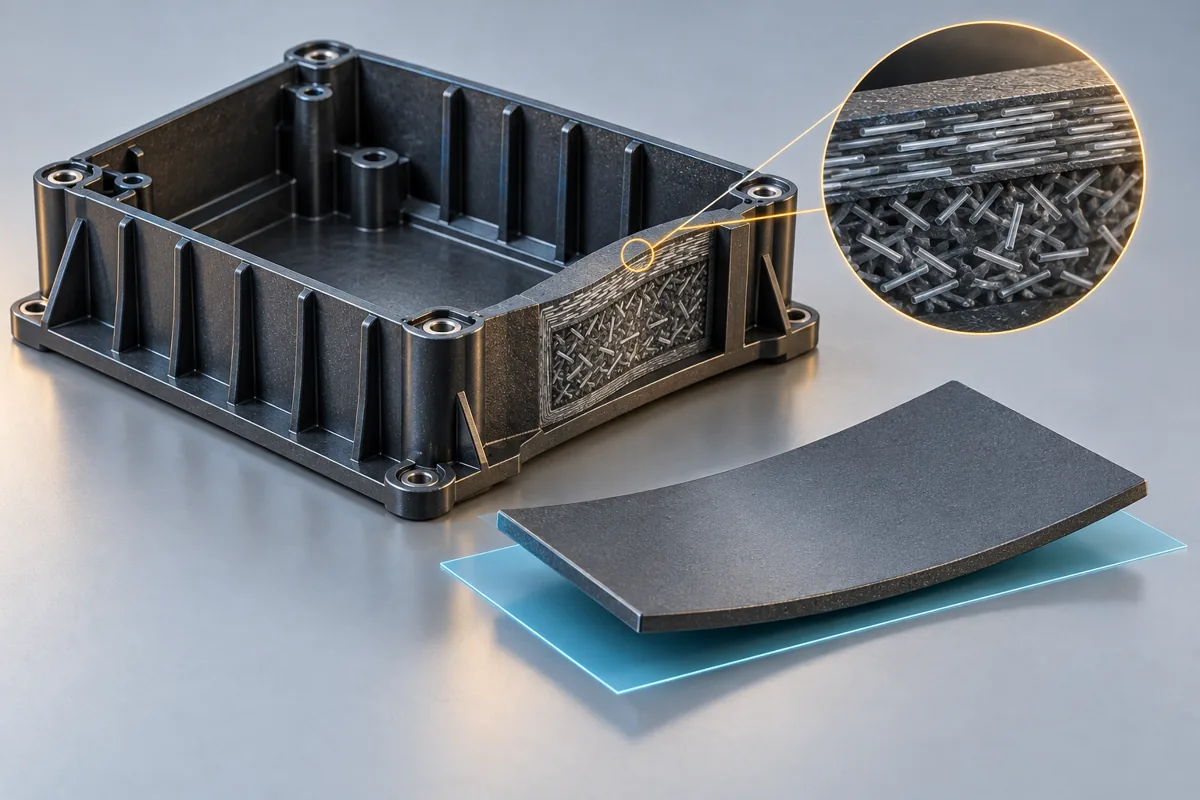
Understand how fiber orientation affects PA66 GF50 stiffness, shrinkage, and warpage, and plan molding trials and dimensional validation.
PA66 GF50 Fiber Orientation and Warpage: A Part Design Guide

A definitive guide comparing PA66 (Nylon 66) with PA6 and reinforced PA66-GF30. It analyzes key properties, differences, and provides selection guidelines for engineers, covering applications from automotive to industrial sectors.
The Complete Engineer's Guide to PA66 (Nylon 66): Properties, Comparison & Material Selection
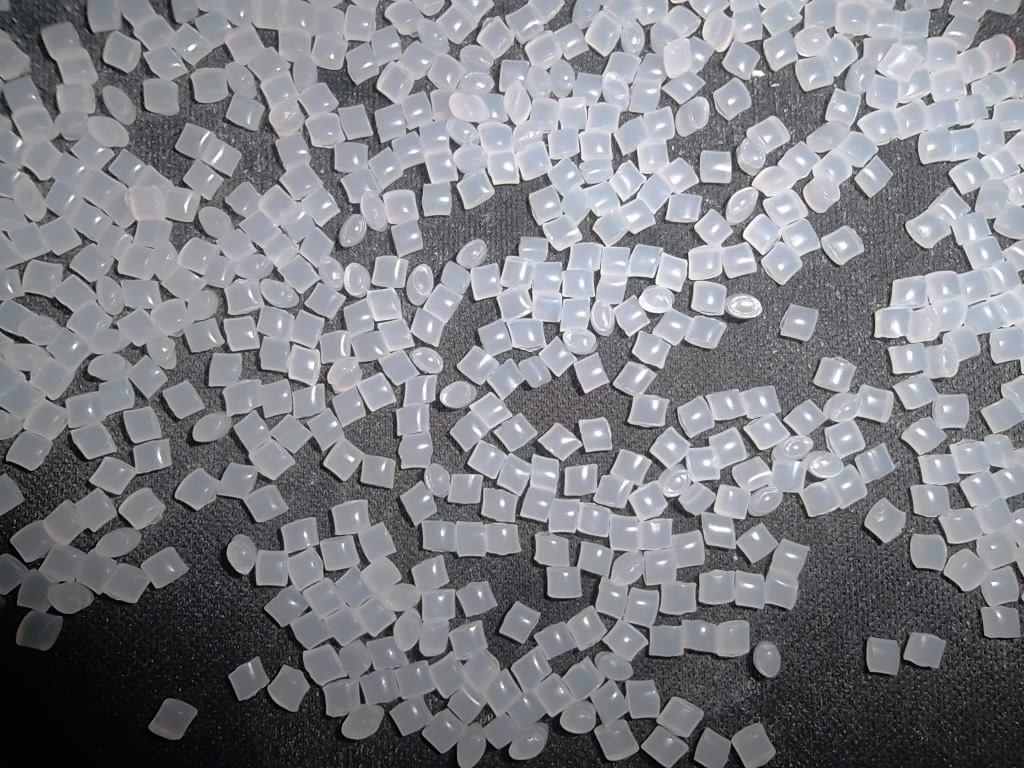
Polyamide 66 (PA66), commonly known as nylon 66, is a type of synthetic polymer belonging to the polyamide family. It is a thermoplastic material with a high melting point and excellent mechanical properties, making it suitable for various applications.
What is virgin PA66?
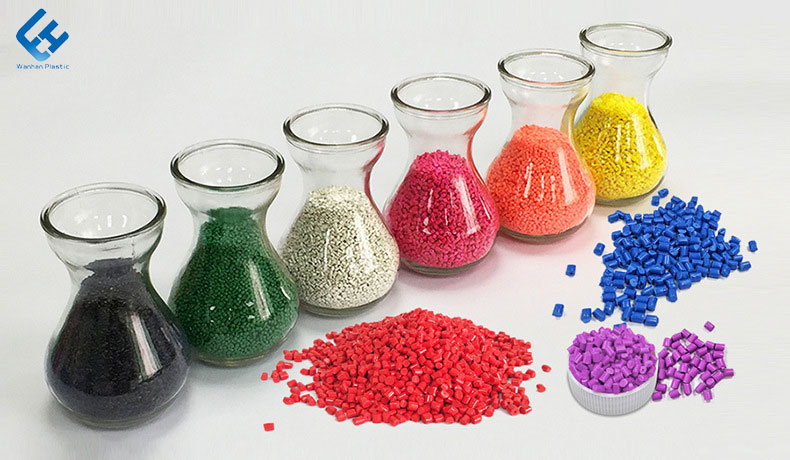
Polyamide 66 (PA66), commonly known as nylon 66, stands as a versatile and widely used engineering plastic with applications spanning from automotive components to consumer goods. Understanding the fabrication process of PA66 granules provides insights into the meticulous steps involved in transforming raw materials into a material prized for its strength, durability, and heat resistance.
The Manufacturing Journey of PA66 Granules: Unveiling the Fabrication Process
SEND MESSAGE