PA6 GF40: Density, Melting Point, and Young's Modulus
Polyamide 6 with 40% Glass Fiber Reinforcement, known as PA6 GF40, is a robust engineering thermoplastic that blends the favorable attributes of polyamide with the enhanced strength and stiffness provided by 40% glass fiber content. This article explores the fundamental properties of PA6 GF40, including density, melting point, and Young's modulus, shedding light on its importance in various industrial applications.
Overview of PA6 GF40
PA6 GF40 is a composite material that combines the flexibility and durability of polyamide 6 (PA6) with the added strength and stiffness conferred by a 40% content of glass fiber reinforcement. This unique amalgamation results in a material with exceptional mechanical properties, making it well-suited for applications requiring heightened strength and performance.
Density of PA6 GF40
2.1 Definition and Importance: Density, the mass of a substance per unit volume, is a key parameter for materials like PA6 GF40. Typically boasting a density around 1.45 g/cm³, this material offers a balance of strength without compromising on weight, contributing to lightweight yet robust components.
Melting Point of PA6 GF40
3.1 Temperature at Transitions: PA6 GF40 exhibits a melting point within the range of 220 to 260 degrees Celsius. The glass fiber reinforcement enhances the material's thermal stability, making it an excellent choice for applications involving exposure to elevated temperatures.
3.2 Impact on Processing: Understanding the melting point is crucial during the processing of PA6 GF40, ensuring that the material can be effectively molded into the desired shapes without compromising its structural integrity.
Young's Modulus of PA6 GF40
Definition and Significance: Young's Modulus, a measure of a material's stiffness and ability to deform elastically under stress, for PA6 GF40 typically ranges from 8,000 to 12,000 MPa. This high modulus showcases the material's excellent stiffness.
Applications in Structural Design: The high Young's Modulus of PA6 GF40 makes it well-suited for applications where stiffness and structural integrity are crucial. It finds applications in various industries, including automotive, aerospace, and industrial components.
Applications of PA6 GF40
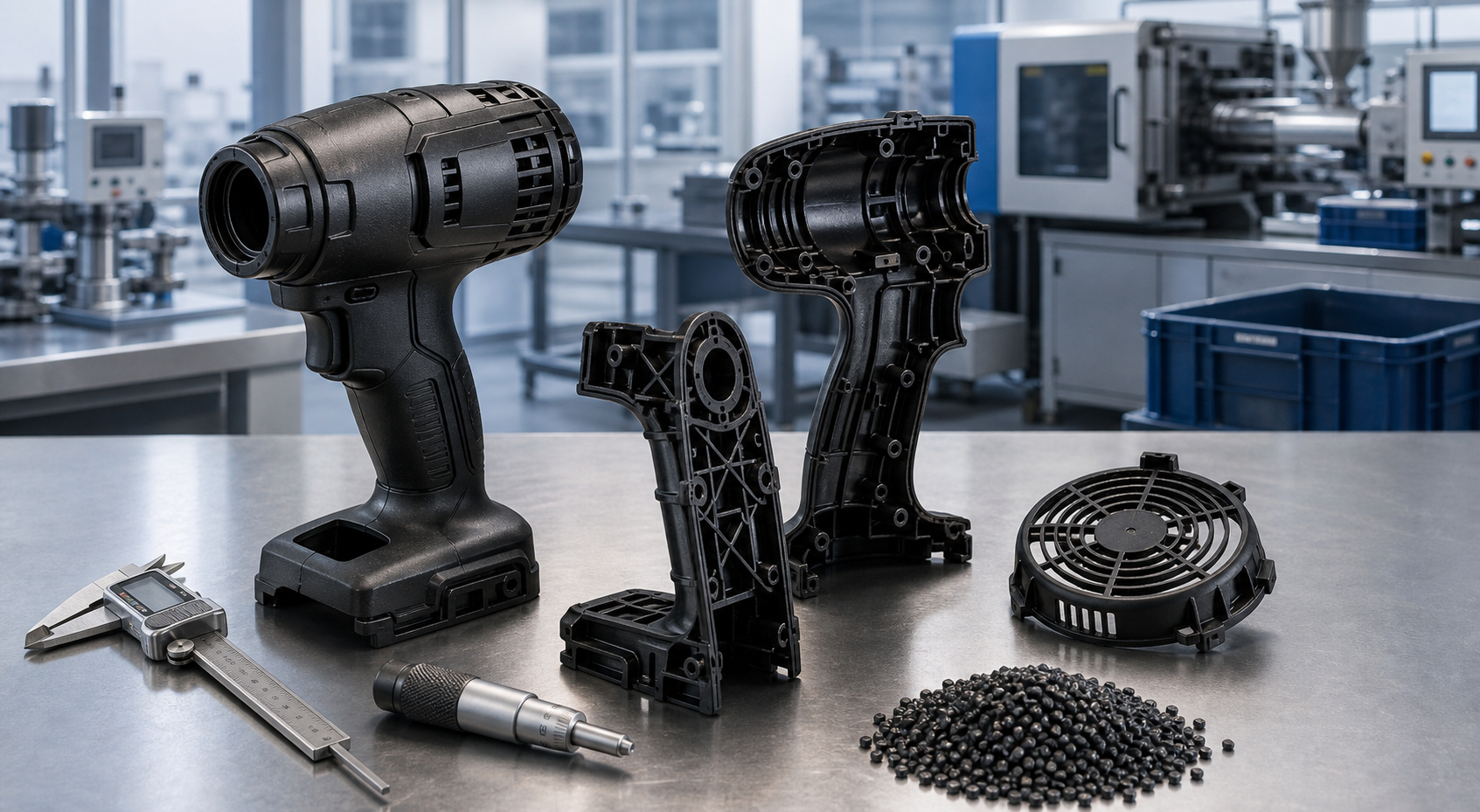
Automotive Components: PA6 GF40 is extensively utilized in the automotive industry for manufacturing critical components such as engine parts, structural components, and exterior trims, where a balance of strength and lightweight properties is essential.
Industrial and Electrical Applications: Due to its enhanced mechanical and thermal properties, PA6 GF40 is a preferred choice in industrial settings for manufacturing durable components. It is also used in electrical applications, including connectors and insulating components.
PA6 GF40, with its optimal combination of density, melting point, and Young's Modulus, stands as a versatile and high-performance material in the realm of engineering thermoplastics. Its wide range of applications across industries underscores its significance in the development of robust and durable components. As technology continues to advance, PA6 GF40 is likely to maintain its position as a material of choice for demanding engineering solutions.
Characteristics of PA6 GF50: Density, Melting Point, and Young's Modulus
What is pa6?
Related Article