
Nylon 6,6 (PA66): an engineering plastic with outstanding properties
author: WanHan Technology
2023-12-06
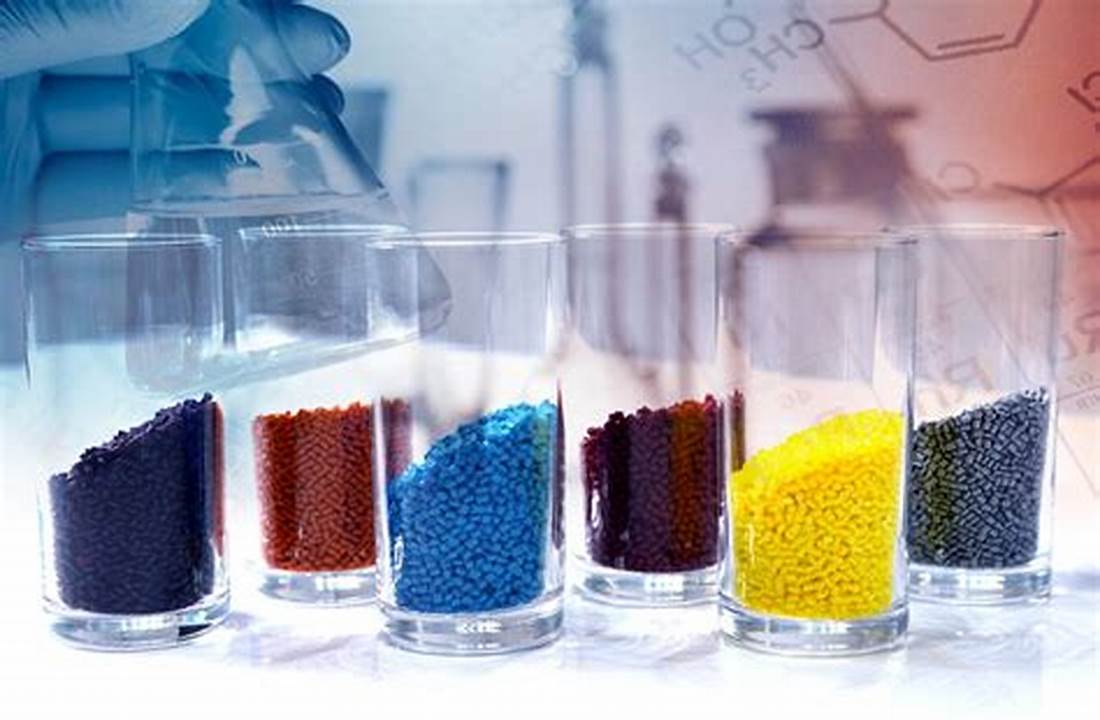
PA66 is a high-performance engineering plastic that is widely used in various fields for its excellent mechanical properties, heat resistance and chemical stability. Below is a detailed analysis of its key features from a professional engineer's perspective.
Material properties
Mechanical behavior:
Tensile Strength: PA66 has excellent tensile strength, typically reaching or exceeding 120 MPa under ISO527 testing standards.
Elongation at Break: The elongation at break of PA66 under the ISO527 test standard is usually in the range of 2% to 3%, showing relatively low ductility and suitable for applications with high strength requirements.
Flexural Strength: According to the ISO178 test standard, the flexural strength of PA66 is usually between 150 MPa and 250 MPa, which is suitable for applications requiring excellent stiffness and strength.
Flexural Modulus: Under the ISO178 test, the flexural modulus of PA66 can reach 2,500 MPa to 4,000 MPa, showing excellent rigidity.
Thermal performance:
Melting Point: The melting temperature of PA66 is generally between 250℃ and 265℃, showing good high temperature resistance.
Other physical properties:
Density: The density of PA66 is about 1.14 g/cm³, which has a relatively high density and helps to provide better texture and stability.
Material data sheet (Datasheet) analysis
The material data sheet of PA66 provides more detailed performance parameters, including specific values in thermal properties, mechanical properties, etc. By reading the data sheet in detail, engineers can more accurately select materials to meet the needs of a specific application.
Application areas and prospects
PA66 is widely used in many fields due to its excellent performance:
Automotive Industry: Used in the manufacture of engine parts, body parts, seat components, etc. Its high temperature resistance and mechanical properties make it an ideal choice in automotive engineering.
Electronic and electrical equipment: In areas such as electrical components, sockets, connectors, etc., PA66’s insulating properties and chemical resistance make it the material of choice.
Industrial products: Suitable for manufacturing industrial parts that require high strength and rigidity, such as gears, bearing seats, etc.
Consumer goods manufacturing: In the manufacture of high-performance consumer goods, such as sports equipment, outdoor products, etc., the mechanical properties and wear resistance of PA66 play a key role.
in conclusion
As an engineering plastic with excellent performance, PA66 plays a key role in many fields with its comprehensive mechanical properties, heat resistance and chemical stability. When selecting materials, engineers should carefully consider their mechanical, thermal, and other physical properties based on specific application needs to ensure that the final product will perform well in real-world applications. By gaining a deeper understanding of PA66’s properties, engineers can better harness the material’s potential and drive innovation and application expansion.
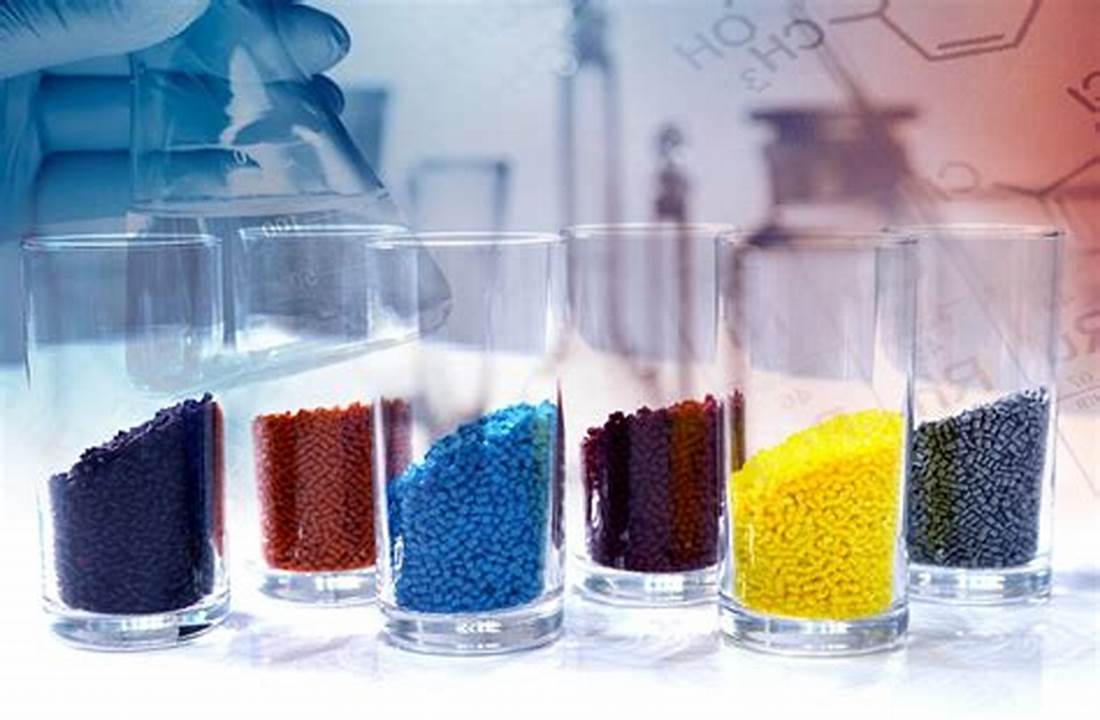
PA66 GF 25 Material Introduction: Excellent Strength and Versatility
Nylon 6 vs Nylon 66: Chemistry and Polymer Structure
Related Article
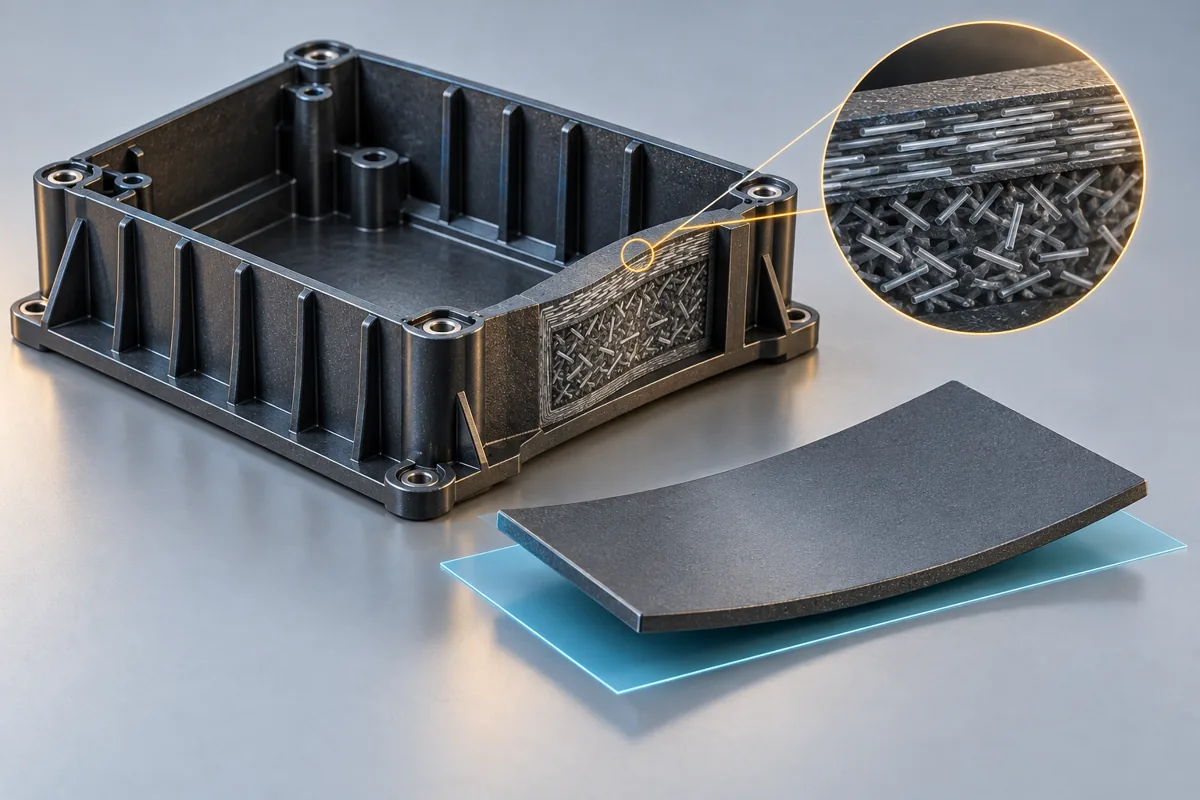
Understand how fiber orientation affects PA66 GF50 stiffness, shrinkage, and warpage, and plan molding trials and dimensional validation.
PA66 GF50 Fiber Orientation and Warpage: A Part Design Guide
A definitive guide comparing PA66 (Nylon 66) with PA6 and reinforced PA66-GF30. It analyzes key properties, differences, and provides selection guidelines for engineers, covering applications from automotive to industrial sectors.
The Complete Engineer's Guide to PA66 (Nylon 66): Properties, Comparison & Material Selection
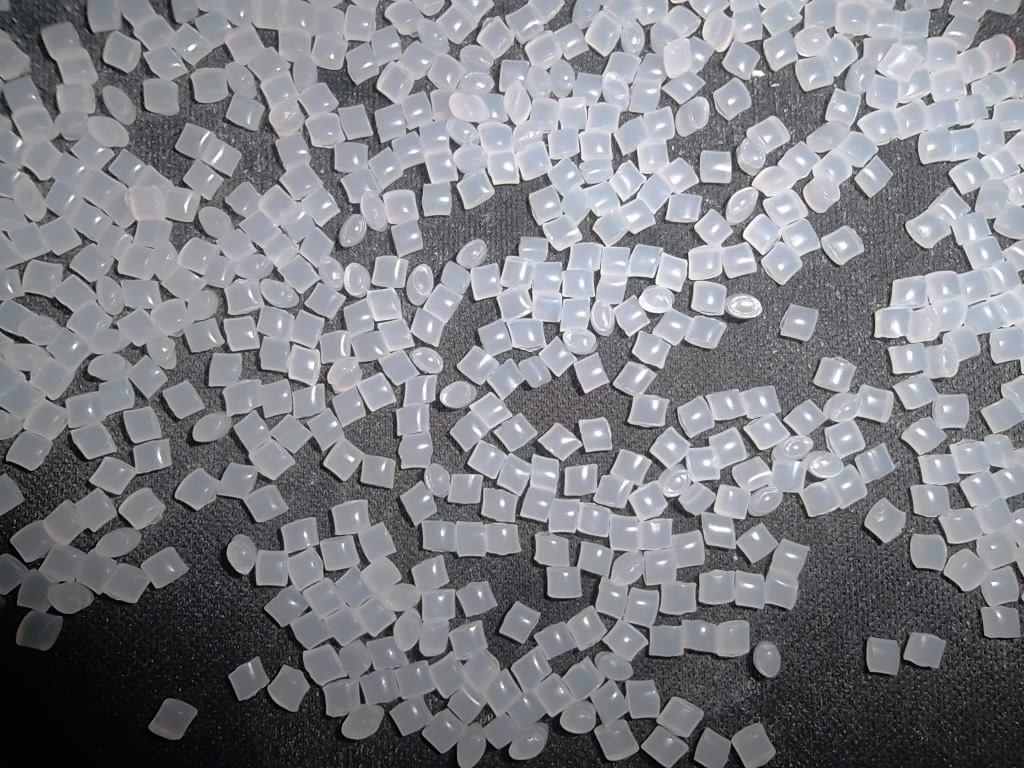
Polyamide 66 (PA66), commonly known as nylon 66, is a type of synthetic polymer belonging to the polyamide family. It is a thermoplastic material with a high melting point and excellent mechanical properties, making it suitable for various applications.
What is virgin PA66?
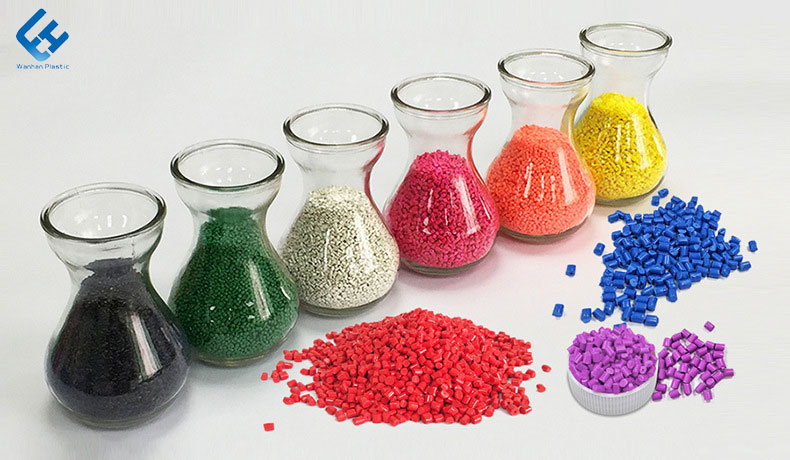
Polyamide 66 (PA66), commonly known as nylon 66, stands as a versatile and widely used engineering plastic with applications spanning from automotive components to consumer goods. Understanding the fabrication process of PA66 granules provides insights into the meticulous steps involved in transforming raw materials into a material prized for its strength, durability, and heat resistance.
The Manufacturing Journey of PA66 Granules: Unveiling the Fabrication Process
SEND MESSAGE