
What are the extrusion molding processes for plastic pellets?
author: WanHan Technology
2023-12-25
The extrusion molding process of plastic pellets is a common plastic processing method, usually used to produce continuous lengths of profiles, films, pipes, ropes, sheets and other products. The following are the general steps and main types of plastic pellet extrusion molding processes:
Raw material preparation: Plastic pellets are used as raw materials. It is usually necessary to select the appropriate plastic type according to product requirements and ensure the quality and drying state of the pellets.
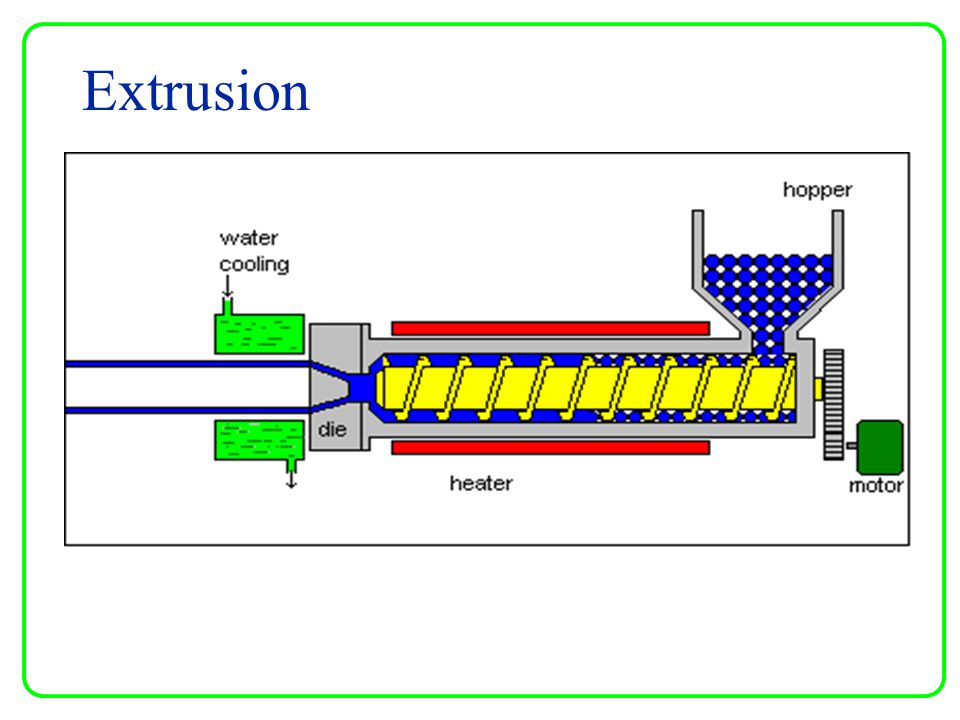
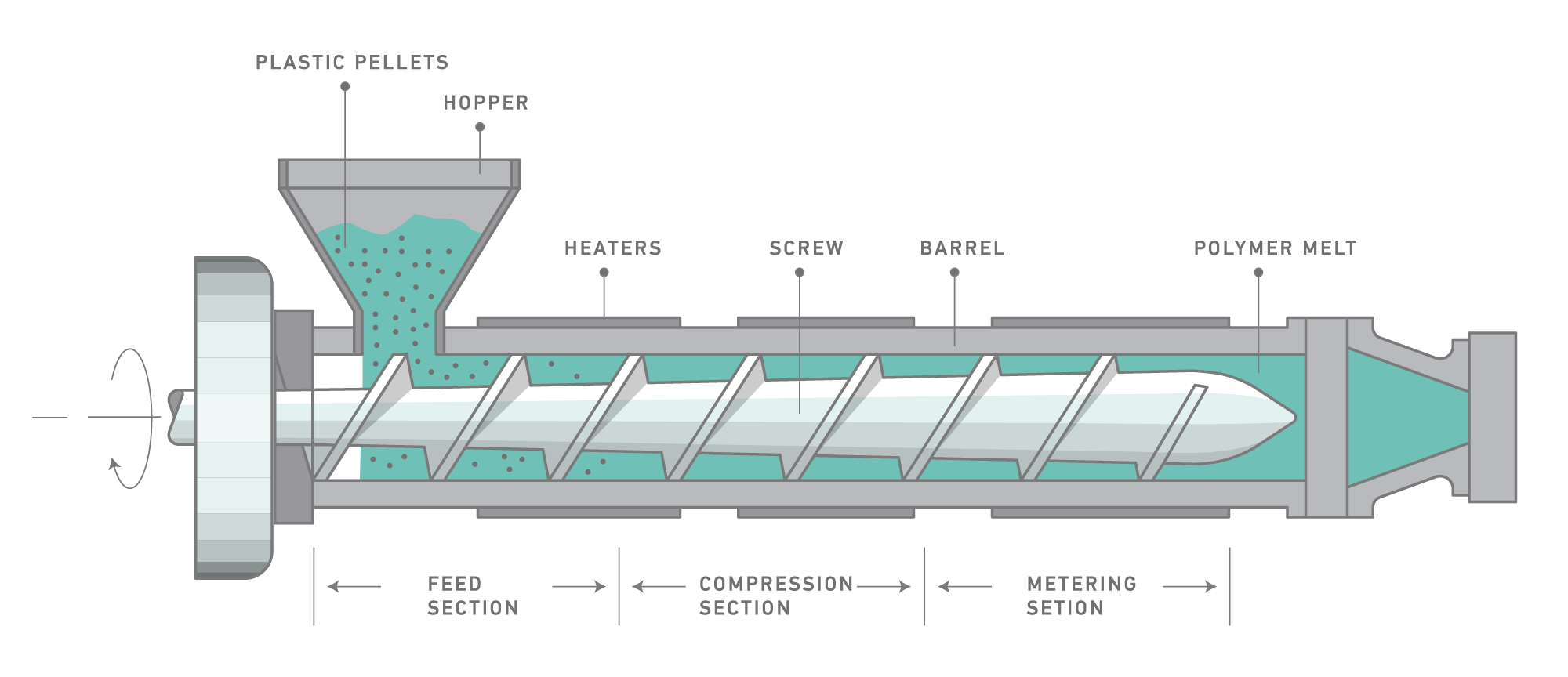
Heating and melting: Plastic pellets are fed into the extruder through a feed system. Inside the extruder, the pellets are heated and melted, usually mixed and heated by a screw, to melt the plastic pellets into an extrudable melt.
Extrusion: Molten plastic is extruded through the screw of an extruder to form a continuum of the desired shape. The die head or die of the extruder determines the cross-sectional shape of the final product.
Cooling: At the exit of the extruder, the extruded plastic is cooled, usually by water cooling or air cooling, so that the plastic solidifies quickly and maintains the desired shape.
Stretching and shaping: Some extruded products may need to be stretched or shaped to achieve specific size and performance requirements. This can be achieved through auxiliary equipment or special design of the equipment.
The main types of extrusion molding processes include:
Single-screw extruder: A screw sends plastic pellets from the hopper into the barrel, where they are heated, mixed, and extruded to form the desired product.
Twin-screw extruder: Two screws can provide better mixing and extrusion effects, and are suitable for some plastic materials or composite materials with special requirements.
Ring extruder: Due to the use of a ring extrusion head, products in shapes such as pipes and films can be produced.
Extrusion drawing: Through the combination of extrusion and drawing, products with special shapes and performance requirements are produced.
These types of extrusion molding processes can be adjusted and improved according to production needs to meet the production of plastic products with different shape, size and performance requirements.

Plastic Pellets for Extrusion: Drying and Feeding
Related Article
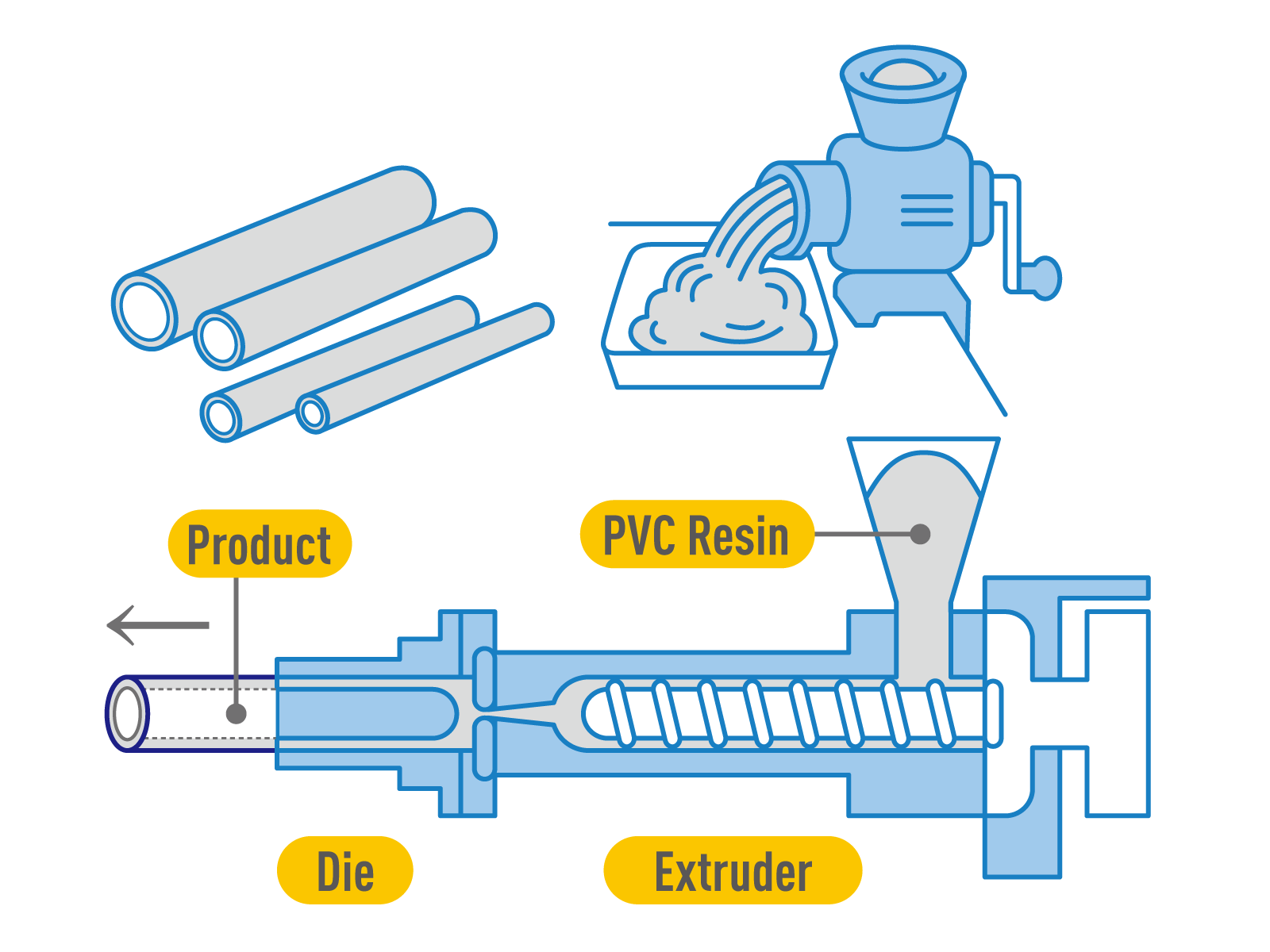
The rewinding or packaging process of the extrusion molding process is the process of sorting, rewinding or packaging the formed plastic products after the extrusion, cooling, cutting, stretching and other steps are completed. This process is designed to protect the product and facilitate storage, transportation and sale. The following are the general steps of the winding or packaging process:
Rewinding or packaging process of extrusion molding process
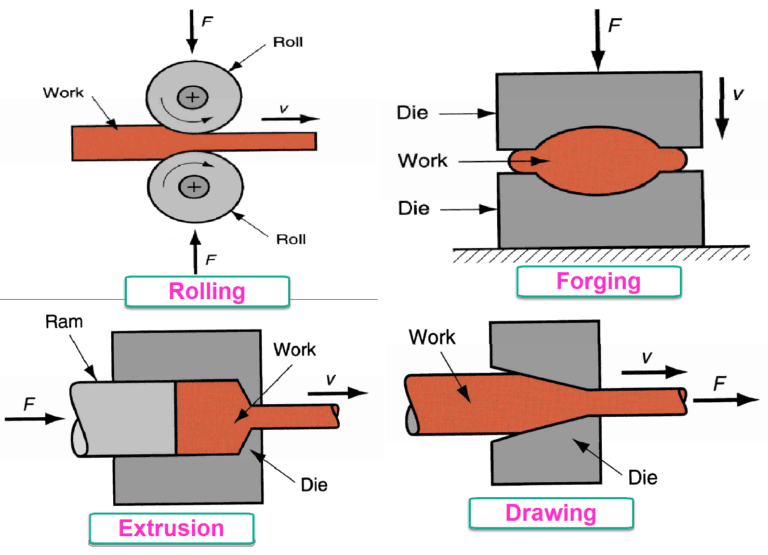
The stretching or drawing process of the extrusion molding process is to stretch or stretch the extruded plastic product to adjust its size, shape or properties. This process usually occurs after cutting and cooling and can be adjusted to the specific requirements of the product. The following are the general stretching or drawing process steps:
Stretching or drawing process of extrusion molding process
SEND MESSAGE