
Stretching or drawing process of extrusion molding process
author: WanHan Technology
2023-12-25
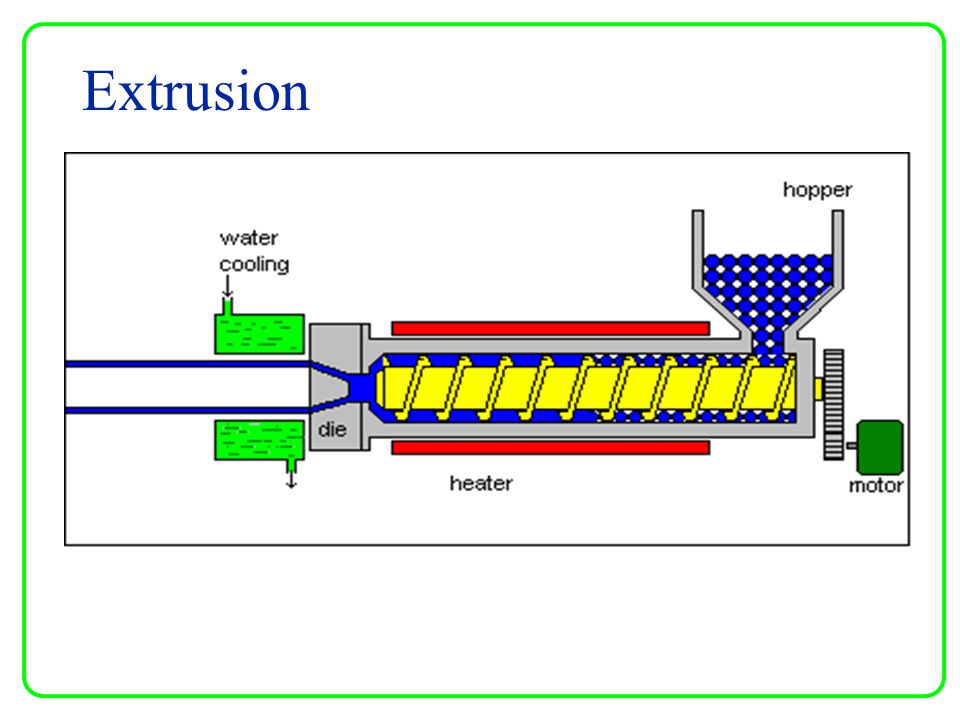
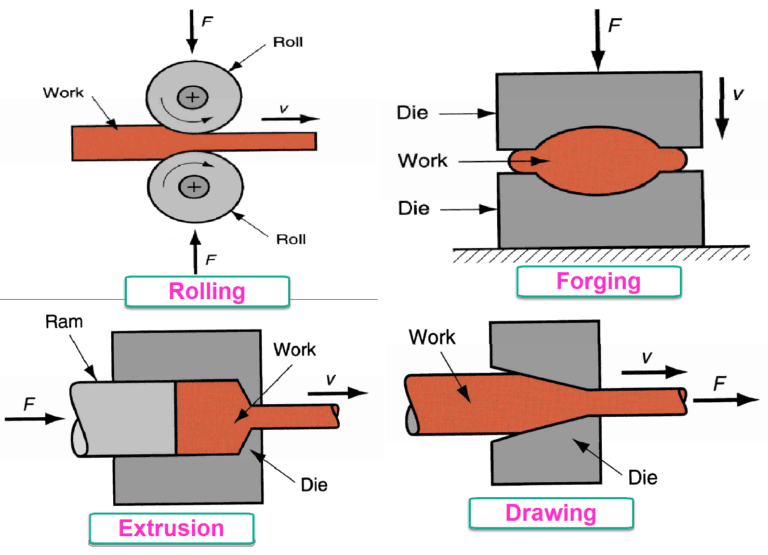
The stretching or drawing process of the extrusion molding process is to stretch or stretch the extruded plastic product to adjust its size, shape or properties. This process usually occurs after cutting and cooling and can be adjusted to the specific requirements of the product. The following are the general stretching or drawing process steps:
Transfer to Stretching Zone: The extruded product is transferred to a dedicated stretching zone, usually downstream of the extruder. This can be achieved by traction devices, conveyor belts or other conveying devices.
Preheating: Sometimes, the product may need to be preheated before stretching or drawing. Preheating allows the plastic to stretch more easily and reduces possible deformation or stress.
Stretching or drawing machinery: Products are stretched or stretched using specialized stretching or drawing machinery. The type of stretching machinery depends on the requirements and design of the product and can be a manually operated mechanical device or an automated system.
Stretching method: The stretching or drawing method can be one-way, two-way, or multi-way, depending on the requirements of the product design. Stretching can be performed by traction, rollers, clamps, etc.
Control the stretching speed: Controlling the stretching speed is the key to ensuring product performance and size during the stretching process. The control of the stretching speed is usually performed by the production line's control system or operator.
Shaping: During the stretching process, the product may need to pass through a shaping mold or shaping device so that it maintains the desired shape and size after stretching.
Cooling: After stretching is complete, the product may need to go through a cooling process to ensure it solidifies and maintains the desired shape. Cooling is usually achieved by water cooling or air flow cooling.
Inspection: After stretching or drawing, the product may need to be inspected to ensure that its size and shape meet design requirements. This can be achieved through visual inspection, measuring instruments, etc.
Subsequent processing: Stretched or stretched products may require subsequent processing, such as edge trimming, burr removal, etc., to improve appearance quality and compliance.
The parameters and equipment of the stretching or drawing process need to be adjusted according to the specific product requirements and extrusion molding process. This process is typically used in applications where product size needs to be adjusted, strength increased, or specific properties improved.
Rewinding or packaging process of extrusion molding process
Extrusion Cutting: Tube Length and Cut Quality
Related Article
Learn how to cut extruded tubing and profiles to length, check puller slip and cutter timing, and troubleshoot burrs, oval ends and angled cuts.
Extrusion Cutting: Tube Length and Cut Quality
Review plastic extrusion cooling, sizing, line speed and dimensional checks for tubes and profiles. Learn what to record before changing material or process settings.
Plastic Extrusion Cooling: Sizing and Defect Control
Follow the plastic extrusion molding process from material preparation and feeding to die forming, sizing, cooling and inspection. Review the checks needed for a controlled grade trial.
Extrusion Molding Process: Steps and Quality Checks
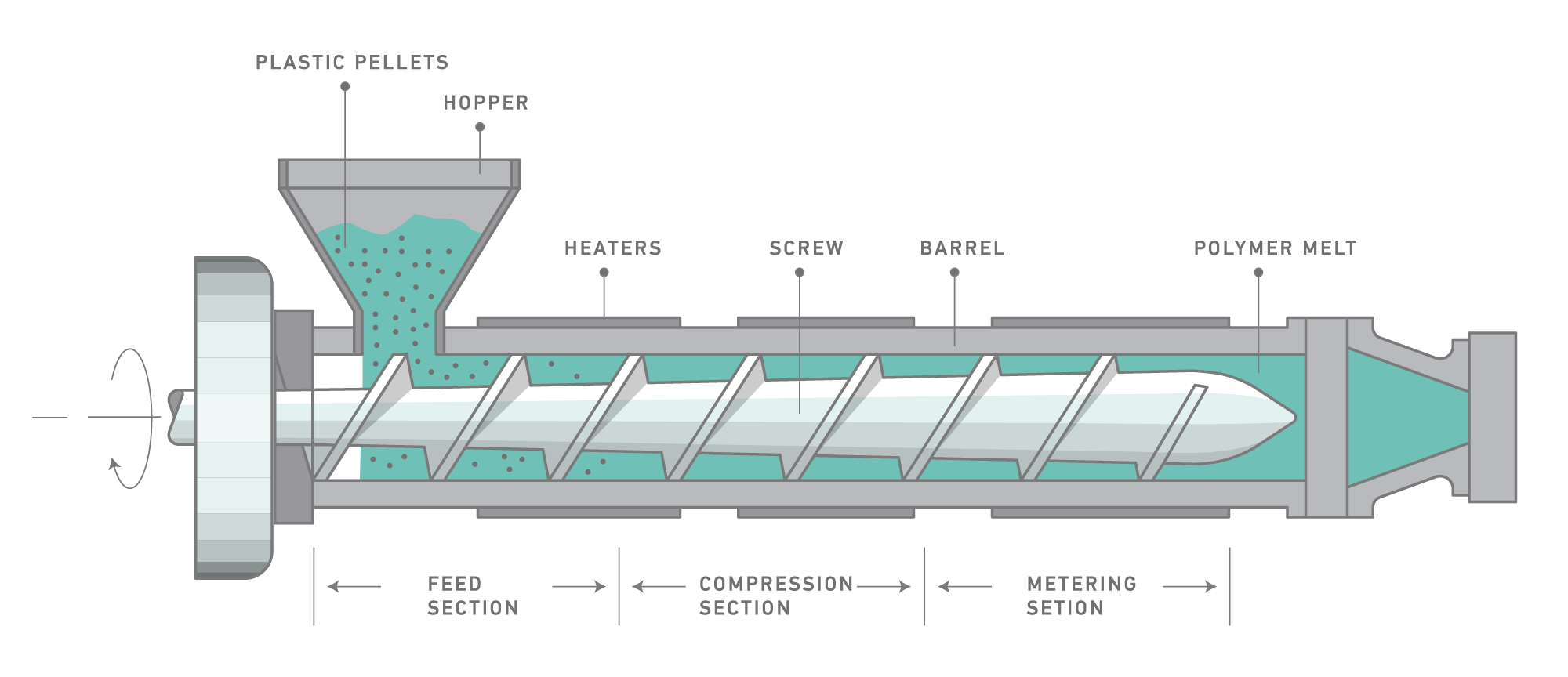
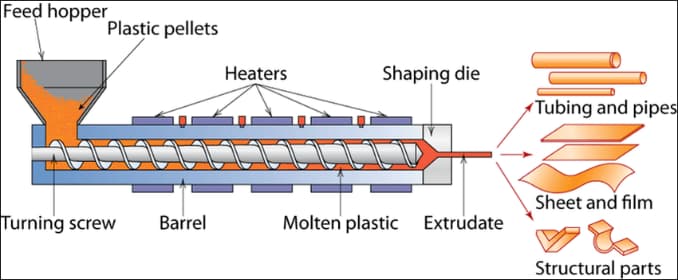
The heating and melting preparation process of the extrusion molding process is a key step to ensure that the plastic particles are fully melted for extrusion. The following is the general heating and melting preparation process:
Heating and melting preparation process for extrusion molding process
SEND MESSAGE