
Heating and melting preparation process for extrusion molding process
author: WanHan Technology
2023-12-25
The heating and melting preparation process of the extrusion molding process is a key step to ensure that the plastic particles are fully melted for extrusion. The following is the general heating and melting preparation process:
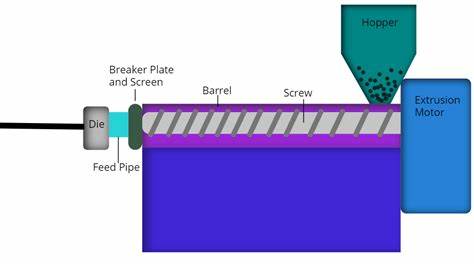
Preheating the extruder: The extruder usually needs to be preheated before starting extrusion molding. This helps to warm the various parts of the extruder, especially the heating barrel, screw and extrusion head, to the appropriate operating temperature. Preheating ensures that the plastic pellets are not subjected to sudden temperature changes as they enter the extruder.
Set the heating barrel temperature: The heating barrel of the extruder is heated by an electric heater or other heating element to heat the plastic particles above the melting point. The operator needs to set the temperature of the heating cylinder to ensure that the plastic particles can be fully melted while avoiding excessive temperature that may cause material degradation.
Adjust the screw speed: The screw of the extruder is responsible for transporting the plastic particles from the hopper to the heating cylinder, where they are mixed and heated. Adjusting the speed of the screw can affect the residence time of the plastic particles, thereby affecting the degree of melting.
Heating and mixing: Once the plastic particles enter the heating barrel, they will be pushed by the screw and gradually melt during the heating process. The movement of the screw helps mix the plastic, ensures even temperature distribution, and prevents particles from becoming stagnant in the heating barrel.
Ensure the molten state: During the melting process, by observing the melt state at the extruder outlet, the operator can ensure that the plastic has reached a sufficiently molten state to be extruded.
Adjust the extrusion head temperature: The extrusion head is the outlet of the extruder and also requires proper temperature control. Adjusting the extrusion head temperature helps ensure consistent flow of the extruded melt at the outlet.
Monitor melt quality: The operator may need to monitor the temperature, pressure, and flow rate of the melt through the extruder's control system to ensure that the quality of the extruded plastic meets requirements.
The above steps can vary depending on the specific extrusion process and plastic material used. In actual production, adjustments need to be made according to the requirements of the product and the specifications of the extruder to ensure that the molten plastic can meet the requirements of extrusion molding.

Extrusion Molding Process: Steps and Quality Checks
Plastic Pellets for Extrusion: Drying and Feeding
Related Article
Prepare plastic pellets for extrusion. Check grade, pellet moisture, drying conditions and feed consistency before a production trial.
Plastic Pellets for Extrusion: Drying and Feeding
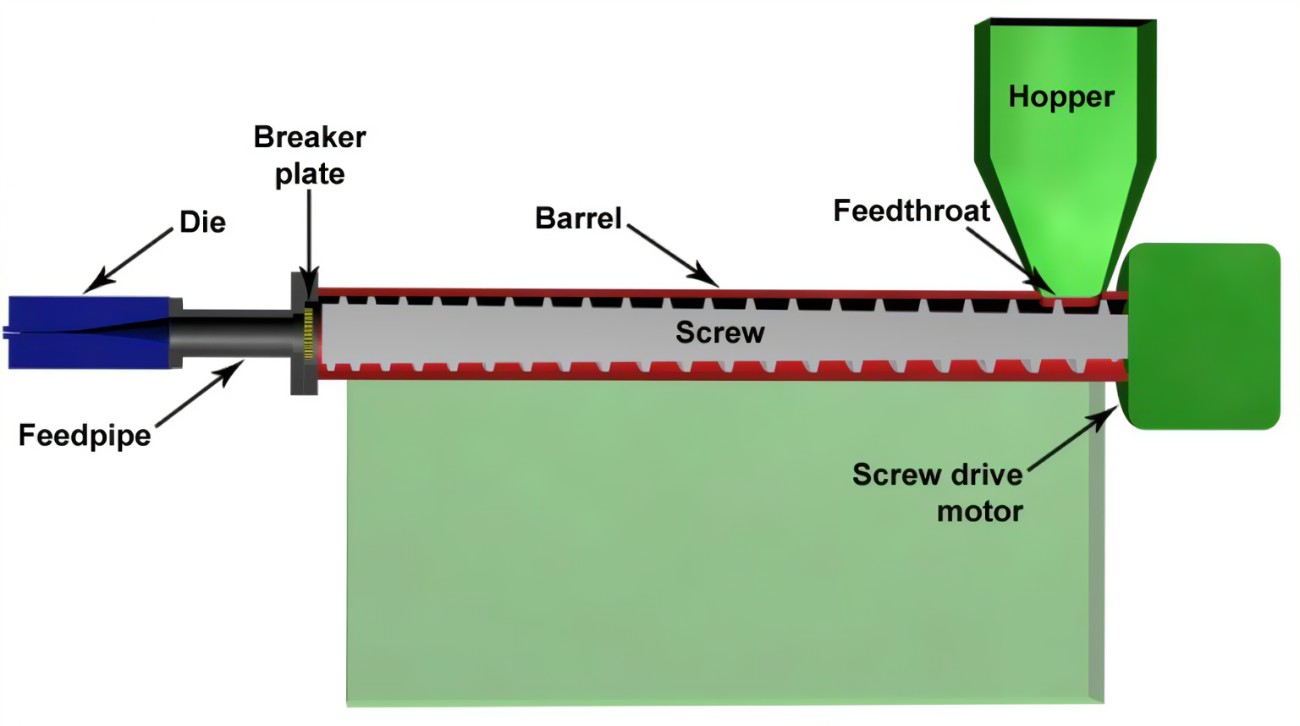
The extrusion molding process of plastic pellets is a common plastic processing method, usually used to produce continuous lengths of profiles, films, pipes, ropes, sheets and other products. The following are the general steps and main types of plastic pellet extrusion molding processes:
What are the extrusion molding processes for plastic pellets?
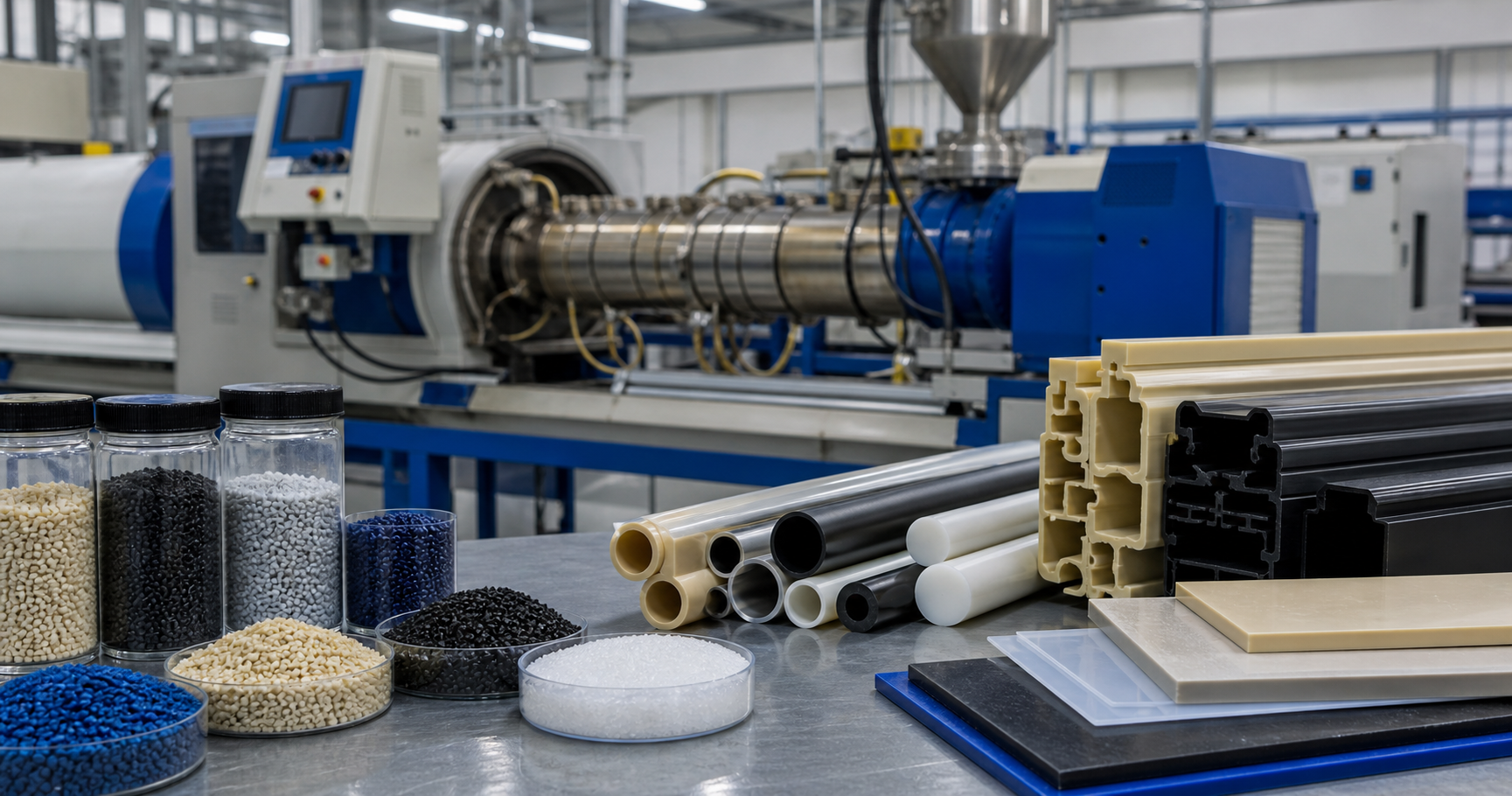
Engineering and buyer-focused guidance on plastic extrusion, including the process, material selection, industrial applications, and extrusion-grade performance checkpoints.
Plastic Extrusion: Process, Materials, and Industrial Product Guide
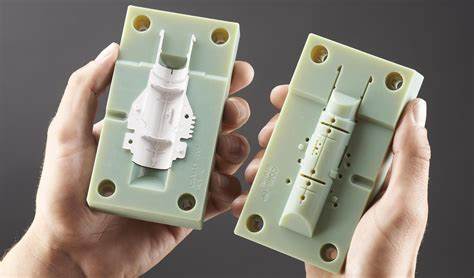
Plastic injection molding stands as a cornerstone in modern manufacturing, providing an efficient and versatile method for producing a wide array of plastic components. This process has revolutionized industries ranging from automotive to consumer goods, making it essential to delve into the intricacies of what plastic injection molding entails.
What is plastic injection molding?
SEND MESSAGE