What is plastic injection molding?
Plastic injection molding stands as a cornerstone in modern manufacturing, providing an efficient and versatile method for producing a wide array of plastic components. This process has revolutionized industries ranging from automotive to consumer goods, making it essential to delve into the intricacies of what plastic injection molding entails.
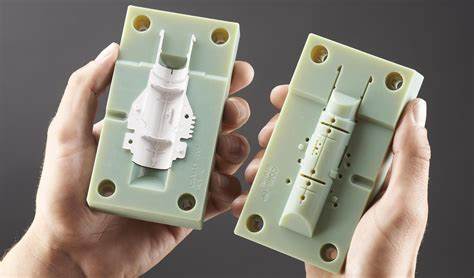
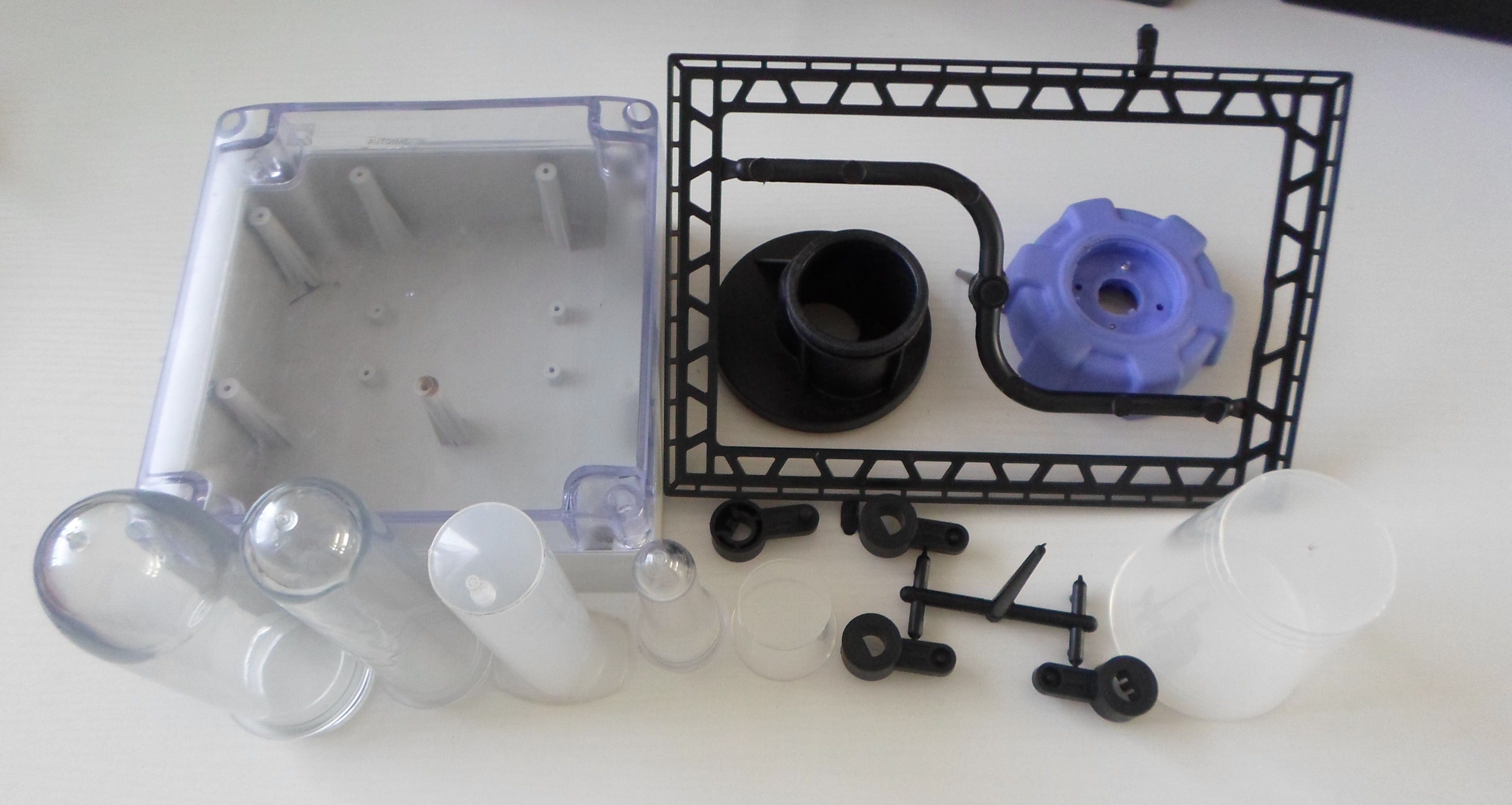
1. Definition of Plastic Injection Molding: Plastic injection molding is a manufacturing process that involves injecting molten plastic material into a mold cavity under high pressure. Once the plastic cools and solidifies within the mold, it takes on the desired shape, creating precise and intricate parts.
2. Key Components of the Process:
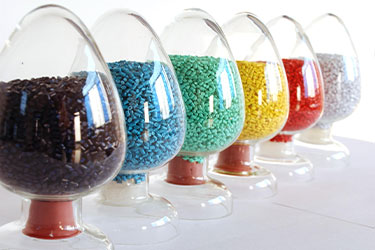
- Material Preparation: The process begins with raw plastic material in the form of pellets or granules. This material is melted and brought to a consistent, molten state suitable for injection.
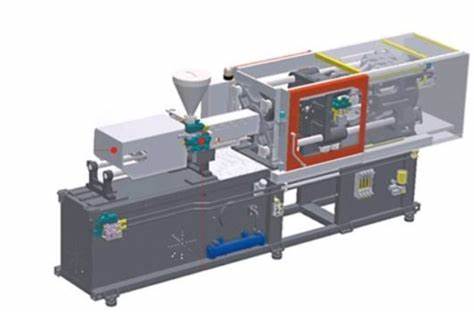
- Injection: The molten plastic is injected into a carefully designed mold through a nozzle. The mold determines the final shape and structure of the product.
- Cooling and Solidification: After injection, the plastic within the mold is allowed to cool and solidify. Proper cooling is essential to ensure the part retains its structural integrity.
- Ejection: Once the plastic has solidified, the mold opens, and the finished product is ejected. This marks the completion of one molding cycle.
3. Materials Used: A wide range of thermoplastic materials can be utilized in plastic injection molding, including polyethylene, polypropylene, polystyrene, and engineering plastics like ABS and nylon. Material selection is based on the desired characteristics of the final product, such as strength, flexibility, or heat resistance.
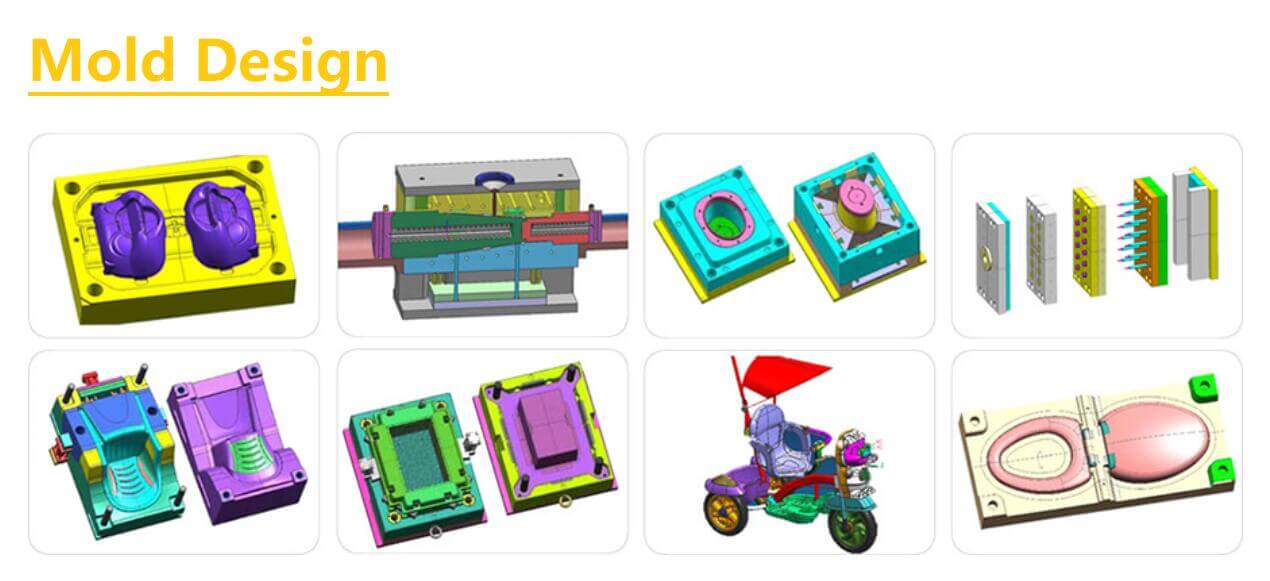
4. Design Considerations: Successful plastic injection molding requires meticulous mold design. Factors such as part geometry, material flow, cooling channels, and mechanisms for ejection must be carefully considered to ensure the production of high-quality, consistent parts.
5. Applications Across Industries: Plastic injection molding finds applications in diverse industries, producing components for:
- Automotive: Interior and exterior components, dashboards, and engine parts.
- Consumer Goods: Packaging, containers, and household items.
- Medical Devices: Syringes, casings, and disposable medical components.
- Electronics: Housings, connectors, and various electronic components.
6. Advantages of Plastic Injection Molding:
- High Precision: Injection molding allows for the production of highly detailed and intricate parts with tight tolerances.
- Cost Efficiency: Once the mold is created, the process can be highly automated, resulting in cost-effective, high-volume production.
- Versatility: The process accommodates a wide variety of plastic materials and can produce complex shapes.
Conclusion: In conclusion, plastic injection molding is a versatile and efficient manufacturing process that has become integral to the production of a myriad of plastic components. Its ability to create precise, high-quality parts has made it a cornerstone of modern manufacturing, shaping industries and providing solutions to an ever-expanding range of applications. As technology advances, the innovations in plastic injection molding continue to drive progress and efficiency in the world of manufacturing.
Plastic Extrusion: Process, Materials, and Industrial Product Guide
How much does a plastic injection mold cost?
Related Article