
Automotive Engineering Plastic Pellets: Material Selection Guide
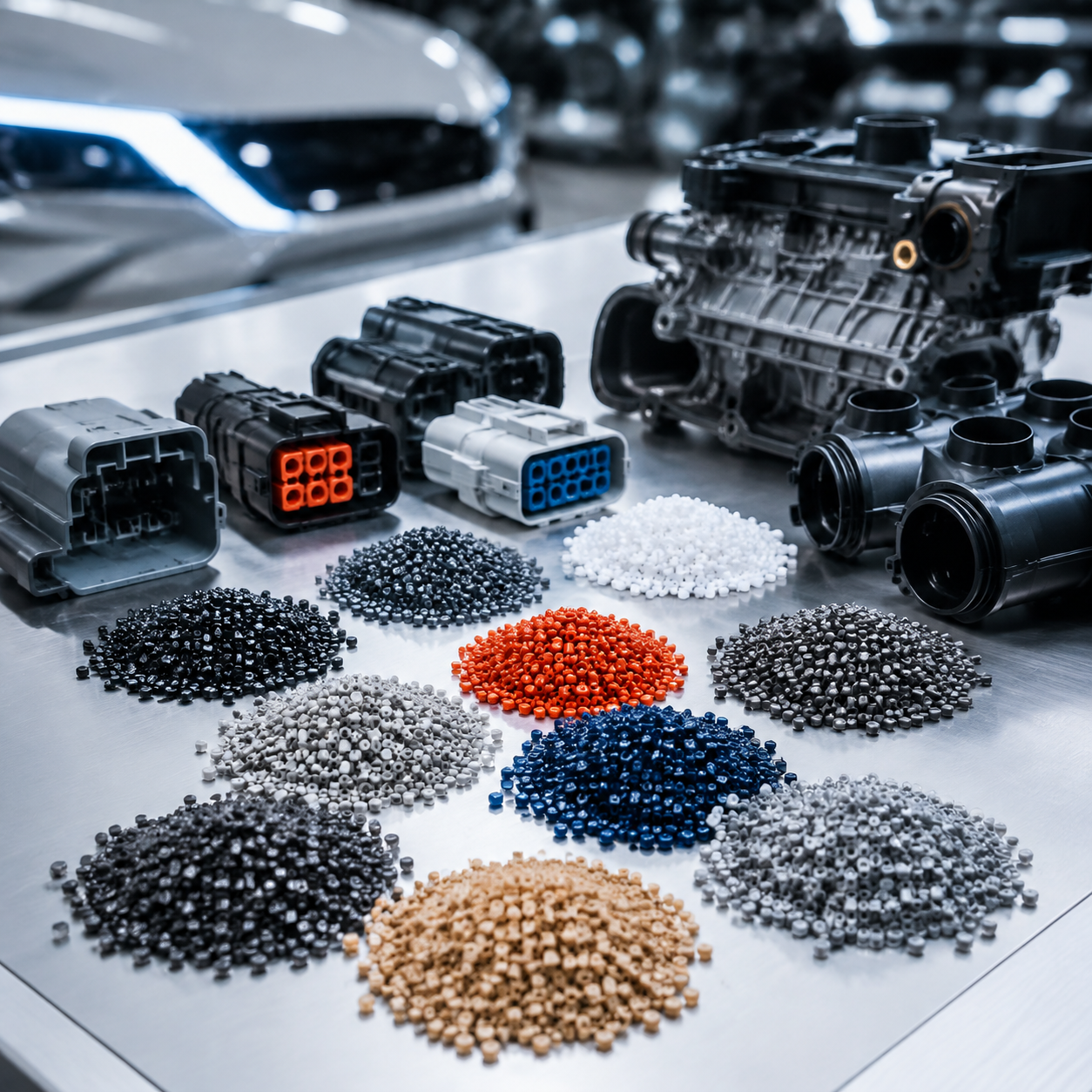
Automotive engineering plastic pellets are selected according to the part's heat exposure, chemical environment, electrical function, dimensional requirements, and production process. The most common material discussions involve PA6, PA66, PBT, PC/ABS, PPS, and reinforced or flame-retardant versions of these polymers.
A material that performs well in a laboratory may still be unsuitable if it cannot hold connector fit, survive thermal cycling, or run consistently in the selected injection molding process.
Start with the Part: WanHan Automotive Applications and Grades
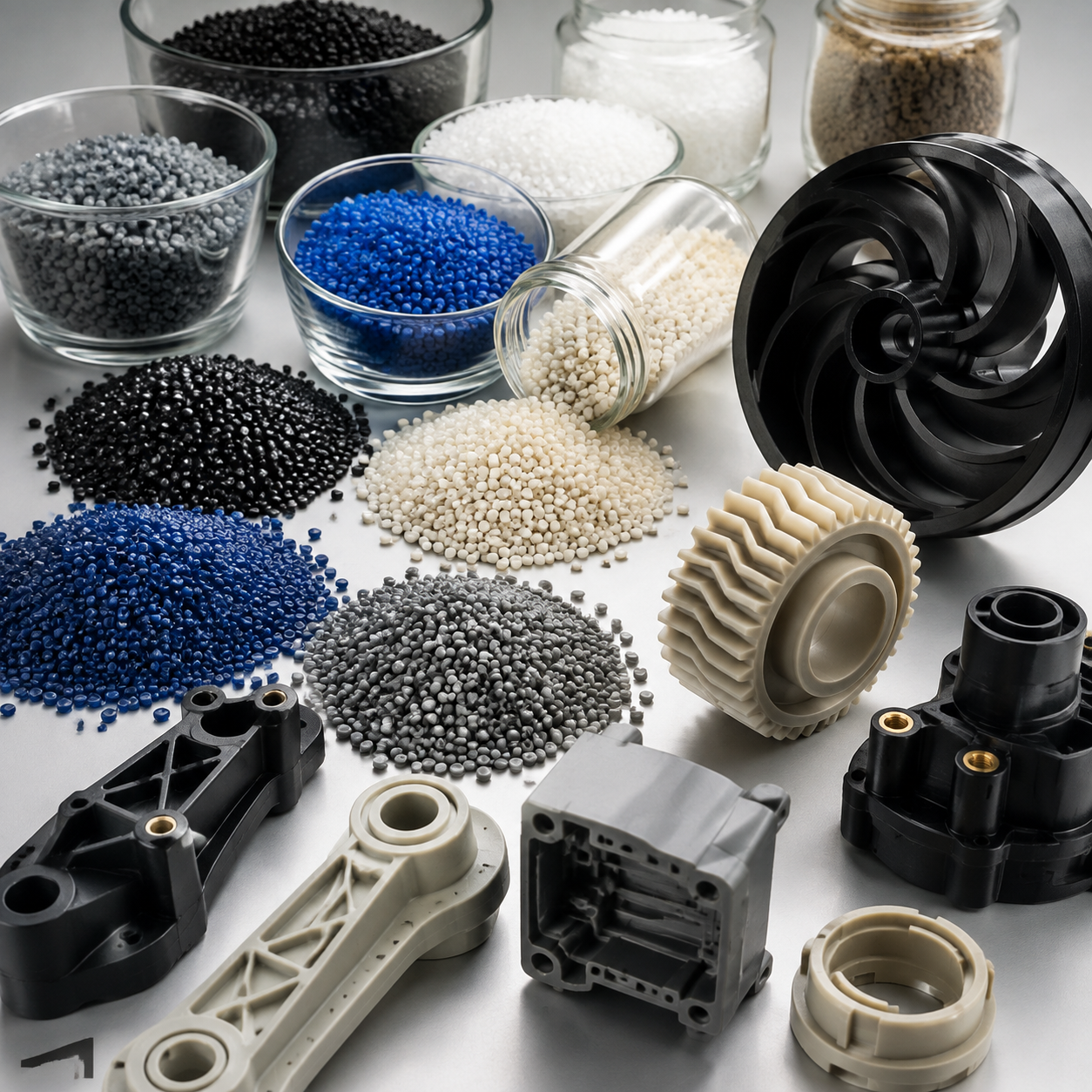
For a rigid cooling-fan shroud, under-hood bracket or structural cover, PA66-WHG30A, WanHan's PA66 GF30 injection-molding compound, is a documented starting candidate. Its application scope includes cooling-system components, brackets, covers and fluid-handling housings. The decision depends on the component's load, temperature, moisture and fluid exposure; a material-family name alone does not establish a service-life limit.
| Part and starting grade | Engineering review before approval |
|---|---|
| Cooling fans, shrouds and radiator-system structures PA66-WHG30A / PA66 GF30 |
Check conditioned dimensions, fiber orientation, weld lines and production-tool results. For rotating parts, include balance and vibration checks. Define actual coolant or oil contact rather than assuming hydrolysis stabilization. |
| Under-hood brackets, covers and fluid-handling housings PA66-WHG30A / PA66 GF30 |
Review sustained load, insert stresses, heat cycles and the specified fluid exposure. Validate the molded component under the intended temperature, vibration and load cycle. |
| Automotive structural parts and mechanical components PA6-WHG30B / PA6 GF30 |
This grade is listed for automotive structures and other reinforced molded parts. Compare moisture-conditioned fit, weld-line strength, warpage and application-specific heat performance against the PA66 candidate. |
| Housings or electrical structures with a flame requirement PA66-WHRG30A or PA6-WHRG30A / FR GF30 |
The grade records state a TDS-listed UL 94 V-0 classification, but do not state tested specimen thickness. Obtain the current exact-grade report, color and thickness scope, and any required electrical or assembly evidence before approval. |
How to Use PA66-WHG30A Data in a Design Review
The published grade page lists typical tensile strength of 175 MPa (ISO 527-2), flexural modulus of 7,000 MPa (ISO 178), HDT of 220°C (ISO 75-2/B) and density of 1.38 g/cm³ (ISO 1183). Use these as initial screening data, then request the current production-grade TDS and confirm conditioning and test conditions. HDT is a test result; it is not a continuous-use temperature or a guarantee of long-term performance in hot coolant.
PA66-WHG30A has no specified UL 94 rating in the cited grade data. Keep it separate from the WHRG30A flame-retardant grades. A glass-fiber percentage, management-system certificate or another compound's V-0 result cannot establish the selected grade's flame, electrical or vehicle-level approval.
Move from an Application Example to an Approved Molded Part
WanHan's application records connect these grades with cooling-system, under-hood and electrical structures and describe drying, molding, conditioning and dimensional checks. They provide a practical starting point for material selection. For release of your component, agree the load duration, continuous and peak temperatures, fluid concentration and exposure time, critical tolerances and pass/fail criteria, then validate samples from the intended production tool.
WanHan supports the next step with material screening, formulation discussion, samples, molding review and quality documentation. Send the drawing, current resin and failure mode, wall thickness, annual volume and required test specification through the material inquiry page. Use the custom compound guide to define a development brief and the electrical housing guide for flame and insulation requirements.
Material Routes Commonly Considered
| Material | Typical Strength in Automotive Parts | Typical Review Point |
|---|---|---|
| PA6 and PA66 | Strength, heat performance, and reinforced-grade flexibility | Moisture, thermal aging, and fiber orientation |
| PBT | Dimensional stability and electrical-use performance | Hydrolysis exposure, flow, and wall thickness |
| PC/ABS | Impact, appearance, and balanced housing performance | Temperature, chemical exposure, and flame target |
| PPS | Higher heat and chemical resistance for demanding parts | Cost, processing, brittleness, and design geometry |
What Should Be Confirmed Before Approval
- Actual service temperature, thermal cycling, and exposure to oils, coolants, or cleaning fluids.
- Required mechanical strength, impact behavior, creep resistance, and dimensional stability.
- Electrical insulation, flame performance, color, surface, and connector-fit requirements.
- Drying, mold design, process window, recycled-content policy, and repeat-lot consistency.
For application context, review the automotive connector material guide, the PA66 GF35 grade, the PA66 FR V0 grade, and the PC-ABS electronic housing guide.
Why Choose WanHan for Engineering Plastic Projects?
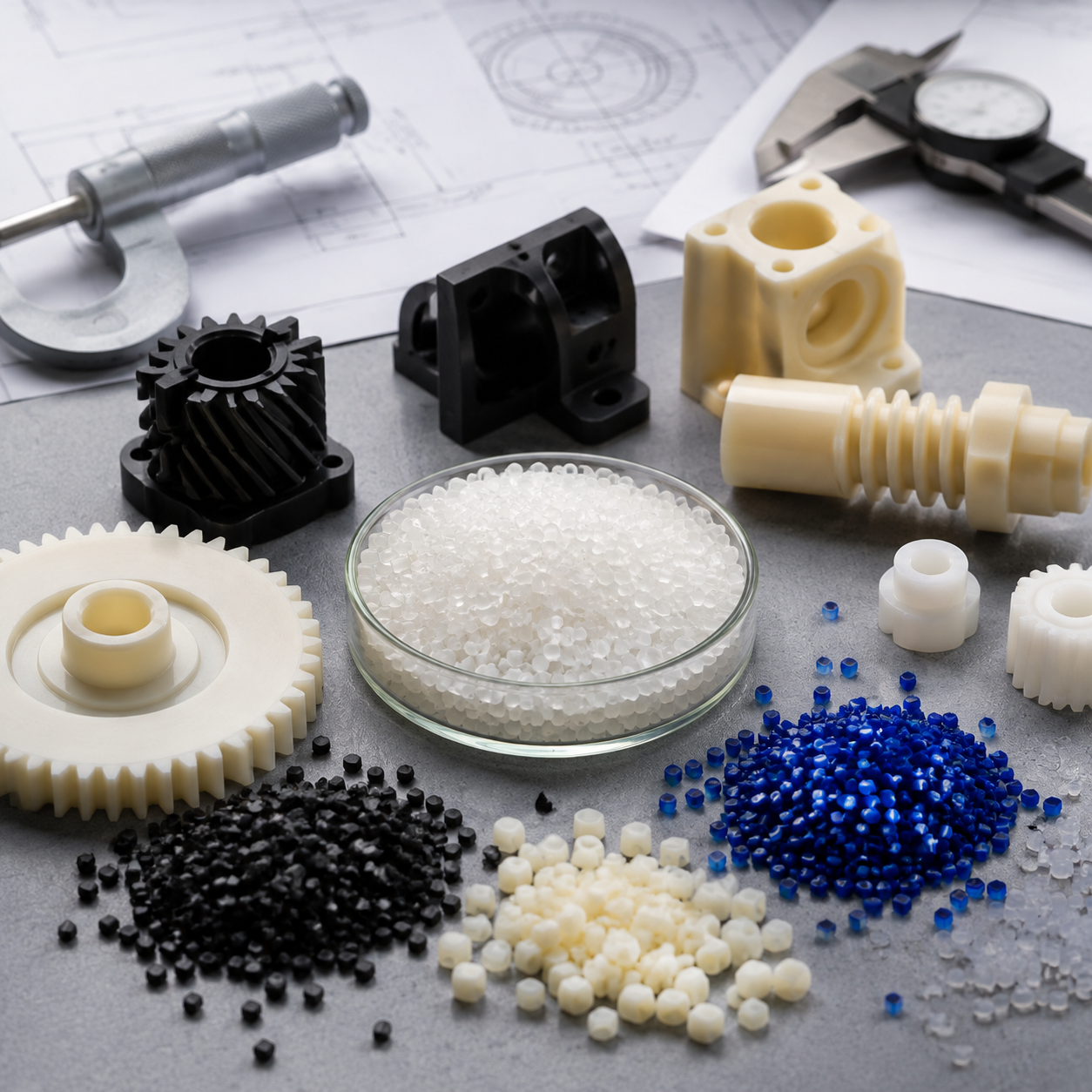
Since 2005, WanHan has developed and manufactured functional engineering plastic compounds for automotive, electronics, home appliance, and industrial applications. Our independent R&D, production, and sales capabilities support practical material selection from initial specification through repeat production.
Our ISO 9001, ISO 14001, ISO 45001, and IATF 16949 management systems support controlled production and consistent testing. With in-house testing equipment, export experience across more than 30 countries, and application-focused technical support, WanHan helps teams reduce material-selection risk.
- Custom compounding for glass fiber, carbon fiber, mineral-filled, flame-retardant, impact-modified, anti-UV, and color-customized grades.
- Material matching support for OEM, injection molding, and product development programs.
- Technical data, samples, processing guidance, and quality documentation for validation.
- Export-ready packaging and responsive support for long-term supply projects.
Share the application, part drawing, annual volume, target properties, or existing grade through WanHan's inquiry page. Our team can recommend a suitable compound and arrange sample evaluation.
WanHan supports automotive material programs with grade comparison, reinforced and FR options, samples, processing discussion, and quality documentation for validation.
Frequently Asked Questions
Q: What are automotive engineering plastic pellets?
A: Automotive engineering plastic pellets are polymer compounds such as PA6, PA66, PBT, PC/ABS, or PPS designed for demanding vehicle components.
Q: Which plastics are common in automotive components?
A: PA6, PA66, PBT, PC/ABS, PPS, and reinforced or flame-retardant grades are common options depending on the part requirement.
Q: Why are glass-filled nylons used in automotive parts?
A: Glass-filled nylons are used when the part needs higher stiffness, strength, and dimensional control than an unfilled nylon grade can provide.
Q: When is PPS considered for automotive parts?
A: PPS is considered when a component faces higher heat, chemical exposure, or dimensional demands than mainstream nylon or PBT routes can handle.
Q: Can WanHan help with automotive material selection?
A: Yes. WanHan can compare automotive engineering plastic pellets based on the part function, service environment, processing method, and validation target.
Glass Fiber Reinforced Nylon Pellets: Grades and Selection Guide
Electrical Housing Plastic Material: PA66, PBT, PC-ABS, and PPS
Related Article



