
Injection process in injection molding process
author: WanHan Technology
2023-12-22
Injection is a key step in the injection molding process. It refers to the process of injecting molten plastic from the heating barrel of the injection molding machine into the mold. The following are the general steps of the injection process:
Mold closure: Before shooting, first make sure the mold is closed. The mold usually consists of two half-moulds, which are closed by the motion system of the injection molding machine to ensure a closed mold cavity.
Injection: Once the mold is closed, the injection molding machine begins the injection process. During the injection stage, the screw of the injection molding machine is pushed forward to inject the melted plastic into the closed mold cavity through the nozzle or nozzle. A certain amount of pressure needs to be applied at this stage to ensure that the plastic can fill the entire mold cavity and form the desired product shape.
Holding stage: Once the plastic is injected into the mold cavity, it usually needs to be held for a period of time. This stage helps ensure that the plastic fills all details of the mold, avoiding the creation of air or bubbles. The time and pressure of the holding phase are usually preset by the control system of the injection molding machine.
Backflow: After the pressure holding is completed, the screw of the injection molding machine may retreat (backflow). This is to prevent further pressure being applied to the mold cavity before the mold is opened, while preparing for the next cycle of injection molding.
Mold opening: After injection is completed, the mold begins to open. The opening process of the mold is usually controlled by the motion system of the injection molding machine. Once the mold is opened, the formed plastic article can be removed.
Ejection: Once the mold is fully open, the formed plastic article is ejected from the mold cavity. This process may require auxiliary equipment, such as ejector pins, gas injection, etc., to ensure that the product can smoothly escape from the mold.
The injection process requires precise control to ensure that the size, shape and quality of the product meet the design requirements. The control system of the injection molding machine is usually able to adjust parameters such as injection speed, pressure and time to adapt to different product and material requirements.

Mold sealing process in injection molding process
Heating and melting processes in the injection molding process
Related Article
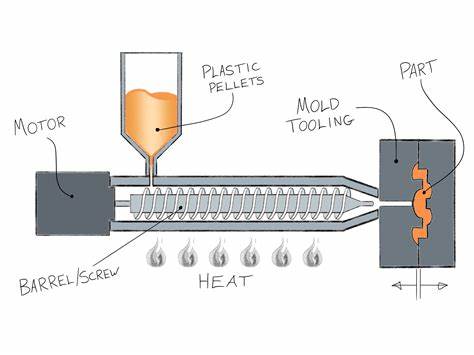
In the injection molding process, the heating and melting process is a key step in heating the solid plastic particles to their melting point and converting them into a flowable state.
Heating and melting processes in the injection molding process
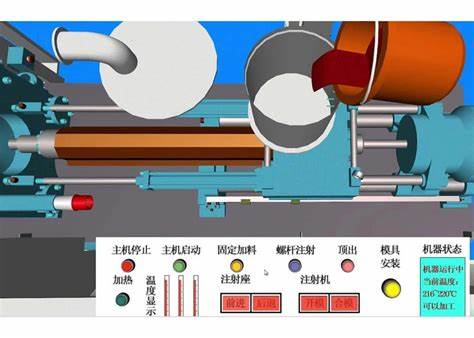
Raw material preparation in the injection molding process is one of the key steps in the entire injection molding production process. Here are the general steps in the ingredient preparation process:
Raw material preparation process in injection molding process
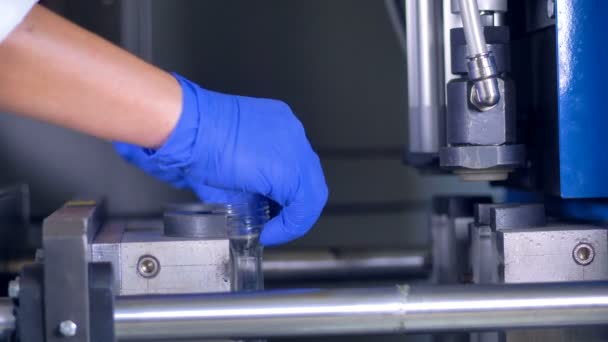
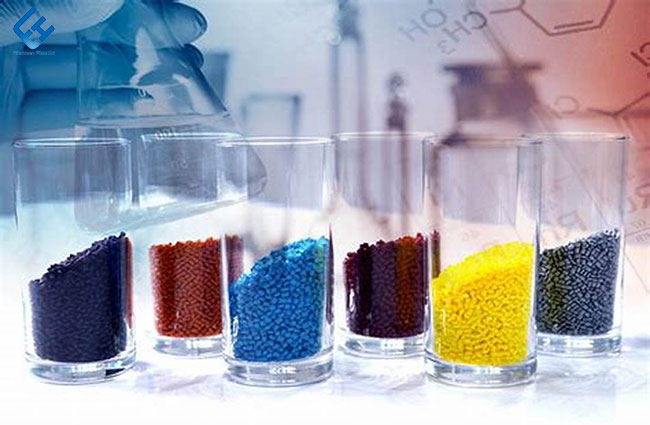
SEND MESSAGE