
Raw material preparation process in injection molding process
author: WanHan Technology
2023-12-22
Raw material preparation in the injection molding process is one of the key steps in the entire injection molding production process. Here are the general steps in the ingredient preparation process:
Select the right plastic raw material: Depending on the requirements of the final product, select the right kind of plastic raw material, which may include different types of plastics such as polypropylene, polyethylene, polystyrene, etc. The selected plastic must meet the physical properties, chemical properties, durability and other requirements of the product.
Particle size and shape: Plastic raw materials are usually supplied in the form of pellets. The size and shape of the particles have an impact on the injection molding process. Different injection molding machines may require different particle sizes, so appropriate particles need to be selected according to the requirements of the injection molding machine.
Storage and Handling: Plastic pellets require storage and handling prior to production. They should be stored in a dry, ventilated environment to prevent moisture absorption, as wet plastic particles can cause bubbles and defects during the injection molding process.
Metering and Mixing: In injection molding production lines, automatic metering and mixing systems are often used to ensure that the proportion of plastic raw materials for each product is accurate. This ensures product consistency and quality.
Loading into the hopper: The prepared plastic pellets are loaded into the hopper of the injection molding machine. The hopper is usually located at the top of the injection molding machine, and the pellets are transported into the machine through a device such as a screw.
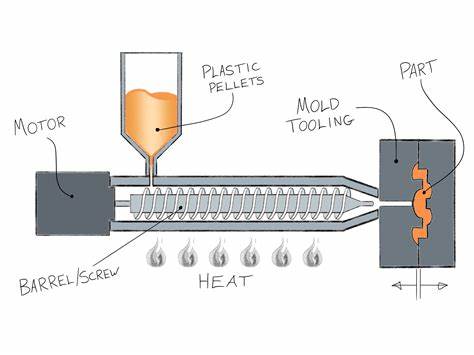
Heating and Melting: Once the pellets are loaded into the injection molding machine, they go through a heating and melting stage. A screw inside the injection molding machine heats the pellets and gradually melts them into a liquid state.
The exact details of these steps may vary depending on the type of plastic used, product requirements and injection molding machine model. In actual production, operators usually need to regularly monitor and adjust these parameters to ensure the stability and consistency of the raw material preparation process, thus affecting the success of the entire injection molding process.
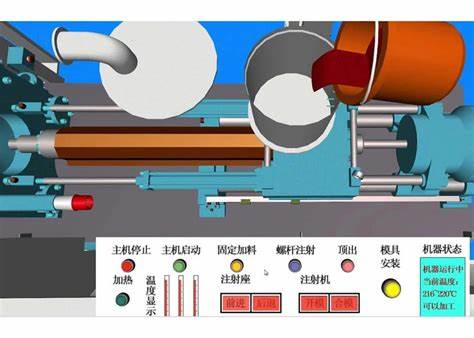
Heating and melting processes in the injection molding process
What are the injection molding processes of plastic granules?
Related Article
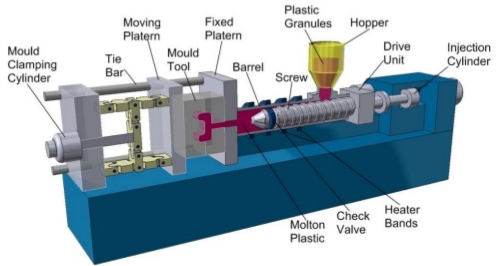
The mold sealing process is a key step in the injection molding process. It refers to the process of closing the mold to form a sealed mold cavity, ready to accept molten plastic for injection molding.
Mold sealing process in injection molding process
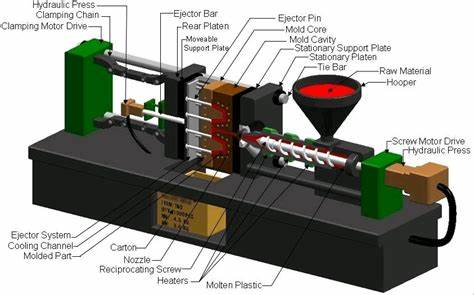
Injection is a key step in the injection molding process. It refers to the process of injecting molten plastic from the heating barrel of the injection molding machine into the mold. The following are the general steps of the injection process:
Injection process in injection molding process
SEND MESSAGE