
Mold sealing process in injection molding process
author: WanHan Technology
2023-12-22
The mold sealing process is a key step in the injection molding process. It refers to the process of closing the mold to form a sealed mold cavity, ready to accept molten plastic for injection molding. The following are the general steps of the mold sealing process:
Clamping: Before sealing the mold, the two halves of the mold (commonly known as the mold cavity and mold base) are usually separated. Clamping refers to bringing the two half-mold parts together or clamping them together through the clamping mechanism of the injection molding machine.
Mold Closing: Once the mold clamping is completed, the injection molding machine's motion system completely closes the two halves of the mold to form a closed mold cavity. The closing of the mold is a precise process, ensuring that the geometry and dimensions of the mold cavity meet the design requirements.
Mold filling: After the mold is closed, the injection molding machine injects heated and molten plastic into the closed mold cavity through a nozzle or nozzle. This process, often called injection, is the stage where plastic enters the mold cavity.
Pressure-holding: After the plastic is injected into the mold cavity, a period of pressure-holding is usually performed to ensure that the plastic in the mold cavity is completely filled and to prevent the occurrence of bubbles or defects. The holding time and pressure can be adjusted according to the requirements of the product.
Cooling: Once the plastic in the mold cavity is fully filled, the cooling system in the mold begins to work, accelerating the solidification of the plastic by cooling the surface or interior of the mold. The length of the cooling time and the choice of cooling method depend on the materials used and the requirements of the product.
Mold opening: After cooling is complete, the two halves of the mold are separated again, opening the mold cavity. This stage is usually controlled by the motion system of the injection molding machine.
Ejection: Once the mold is fully opened, the formed plastic product is ejected from the mold cavity through an ejection pin, gas injection or other auxiliary equipment. This ensures that the formed product can be released smoothly from the mold.
Cleaning and Preparation: After ejection, the mold usually needs to be cleaned to ensure the quality of the next cycle of injection molding process. This may include steps such as removing residual plastic and lubricating mold surfaces.
The accuracy and stability of the mold sealing process are crucial to the quality of the final product. Operators usually need to adjust parameters such as mold sealing speed, pressure, and holding time according to the equipment and product requirements of the injection molding machine to ensure the accuracy and stability of mold closing and opening.
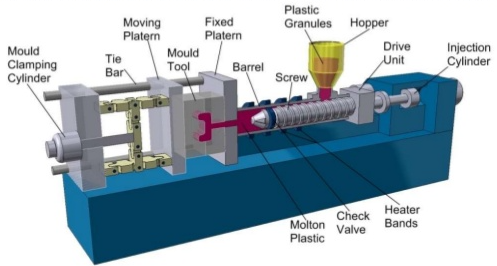
Injection process in injection molding process
Related Article
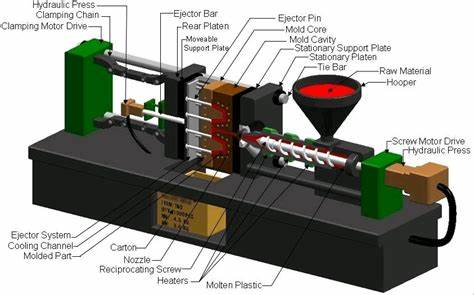
Injection is a key step in the injection molding process. It refers to the process of injecting molten plastic from the heating barrel of the injection molding machine into the mold. The following are the general steps of the injection process:
Injection process in injection molding process
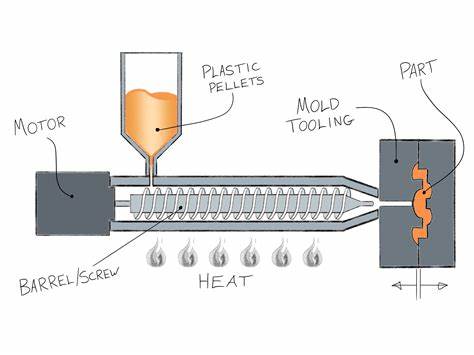
In the injection molding process, the heating and melting process is a key step in heating the solid plastic particles to their melting point and converting them into a flowable state.
Heating and melting processes in the injection molding process
SEND MESSAGE