
Heating and melting processes in the injection molding process
author: WanHan Technology
2023-12-22
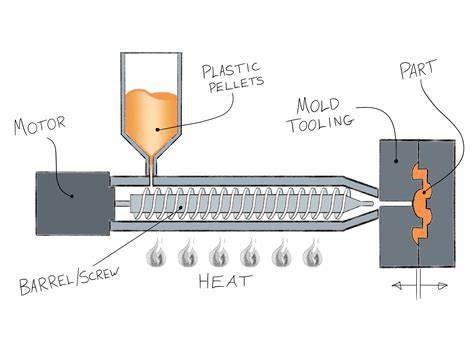
In the injection molding process, the heating and melting process is a key step in heating the solid plastic particles to their melting point and converting them into a flowable state. Here are the general steps for this process:
Pellet Heating: Plastic pellets are loaded into the hopper of the injection molding machine and then transported into the heated barrel through a screw system or plunger. In the heating barrel, the screw rotates and pushes the particles forward, and at the same time, an electric heater or other heating element is used to heat the particles. The purpose of heating is to increase the temperature of the particles so that they reach the melting point.
Melting Process: Once the particles are heated to a high enough temperature, they begin to melt into a liquid state. This stage is critical because the injection molding machine needs to ensure that the pellets are sufficiently melted to form an even, continuous flow of plastic when injected into the mold.
Constant temperature maintenance: In order to ensure that the plastic remains in a suitable molten state, a period of constant temperature maintenance is usually performed after the heating process. This helps stabilize the plastic's physical properties and prevent premature solidification or excessive melting.
Pressure: Once the plastic pellets reach the proper melting point and temperature, the injection molding machine introduces pressure. By increasing pressure, the injection molding machine pushes molten plastic into the mold, ensuring that all cavities are filled.
Cooling: Once the mold is filled and formed into the desired product shape, the injection molding machine stops pressurizing and cools down. During the cooling process, the surface or interior of the mold may be cooled by water circulation to help solidify the plastic.
Mold opening and ejection: After cooling is completed, the mold will be opened and the formed plastic product will be ejected from the mold. This process is called mold opening and ejection.
The control of the entire heating and melting process is very critical because it directly affects the quality and performance of the product. Operators need to adjust heating temperature, hold time, and pressurization parameters based on the specific plastic type, product design, and injection molding machine model to ensure the consistency and quality of the final product.
Injection process in injection molding process
Raw material preparation process in injection molding process
Related Article
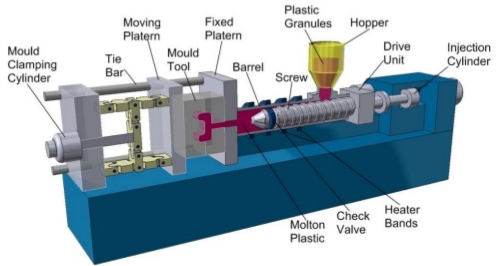
The mold sealing process is a key step in the injection molding process. It refers to the process of closing the mold to form a sealed mold cavity, ready to accept molten plastic for injection molding.
Mold sealing process in injection molding process
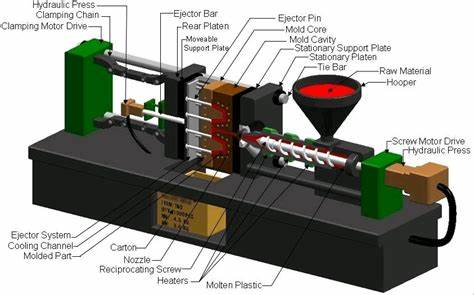
Injection is a key step in the injection molding process. It refers to the process of injecting molten plastic from the heating barrel of the injection molding machine into the mold. The following are the general steps of the injection process:
Injection process in injection molding process
SEND MESSAGE