PC/ABS Injection Molding: Defects and Process Checks
PC/ABS injection molding problems are best investigated by symptom and by the exact resin grade. PC/ABS is a blend of polycarbonate and acrylonitrile-butadiene-styrene, not a new polymer made by copolymerizing the two. Formulation and additives vary by grade, so drying, melt handling and mold settings should be checked against the selected grade's technical data sheet and processing guide. For a general overview, see the PC/ABS material guide.
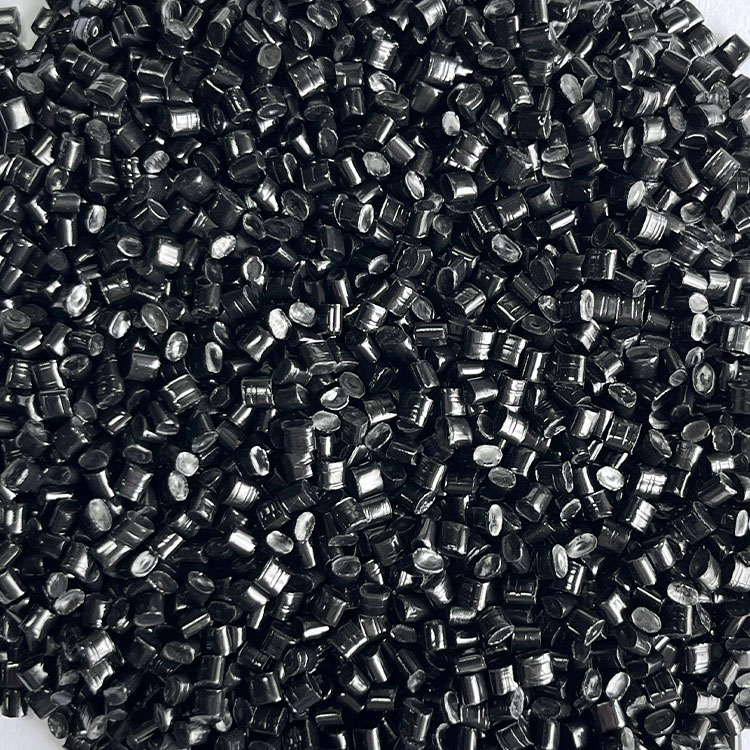
Start with the part, not a universal temperature setting
Record the defect location, when it first appeared, the grade and lot, moisture-handling history, machine settings and recent mold or color changes. Compare a known-good shot with the affected shot. Change one variable at a time and confirm the result on molded parts; a setting that improves appearance may still change dimensions or strength.
| Visible symptom | First checks | Why it matters |
|---|---|---|
| Splay or silver streaks | Check pellet storage, drying records, contamination, venting and residence time. | Moisture, trapped gas or degraded material may contribute; appearance alone cannot identify the cause. |
| Flow marks or poor surface finish | Review mark shape and location, fill pattern, gate design and the grade's processing window. | Different mark patterns can require different changes; faster injection is not a universal remedy. |
| Warpage or dimensional drift | Compare wall thickness, gate position, packing, cooling balance, ejection and conditioned measurements. | Uneven shrinkage and cooling can move the part away from its target shape. |
| Short shots or weak weld areas | Check shot size and cushion, venting, fill path, runner and gate sections, and grade flow data. | Insufficient fill or trapped air can limit cavity filling or weaken a meeting line. |
A practical PC/ABS molding check sequence
1. Confirm the material and drying instructions
Match the bag label and lot to the intended PC/ABS grade. Review supplier drying guidance, dryer performance, hopper exposure and time between drying and molding. A surface defect is a reason to investigate moisture, but do not assume every streak has the same cause or use a recipe from another grade.
2. Review melt handling and filling
Compare actual barrel readings, screw recovery, residence time and injection profile with the grade-specific processing guide. Look for signs of overheating or inconsistent filling before changing setpoints. Avoid treating one published melt or mold temperature as suitable for every PC/ABS formulation.
3. Check the mold and finished part
Inspect gate and vent locations, wall transitions, cooling circuits and ejection marks. Measure parts after a consistent cooling and conditioning period. If the defect stays in the same region across lots, inspect mold or part geometry; if it follows a material or process change, investigate that change first.
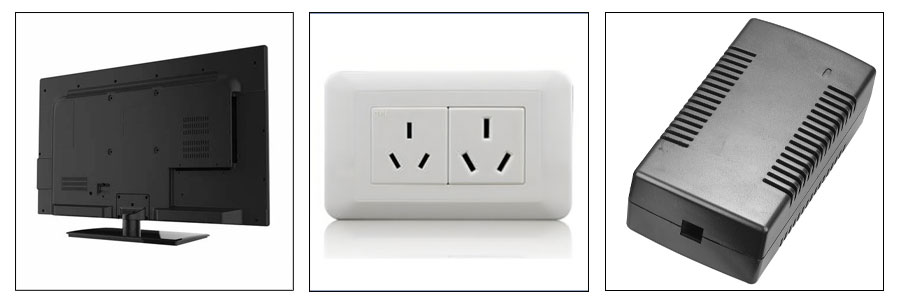
Before approving a production grade
Request the exact-grade PC/ABS data sheet and confirm the test methods and conditions behind required values. If flame rating, chemical exposure, color, surface finish or tight dimensions matter, specify the target test and validate molded samples. A generic PC/ABS description does not establish results for a particular grade or finished part.
Frequently asked questions
What causes silver streaks in PC/ABS molded parts?
Moisture, trapped gas, contamination or degradation can contribute. Start with storage and drying records, then review venting, residence time and the affected lot. Confirm the cause with controlled trials.
Is there one drying temperature for every PC/ABS grade?
No. Follow the exact grade's supplier instructions and check dryer and material condition. Do not transfer settings from a different formulation without validation.
Why does a PC/ABS part warp after ejection?
Wall thickness, gate position, packing, cooling and ejection can all contribute. Compare the mold and part geometry, process record and measurements after consistent conditioning.
Can changing injection speed fix flow marks?
It may help some patterns but worsen others. Identify the mark type first, then review gate design, temperature and filling balance. Change one factor at a time and retest the part.
Which data should accompany a troubleshooting request?
Provide the exact grade and lot, defect photos, part and gate drawings where available, drying record, process conditions and required part tests. These details support a grade-specific discussion without assuming a universal fix.
Need to compare PC/ABS grades for a molded housing? Review the WanHan PC/ABS material catalog and share your part requirements.
PC/ABS VS ABS
PC/ABS Data Sheet: Grade Selection and Test Values
Related Article