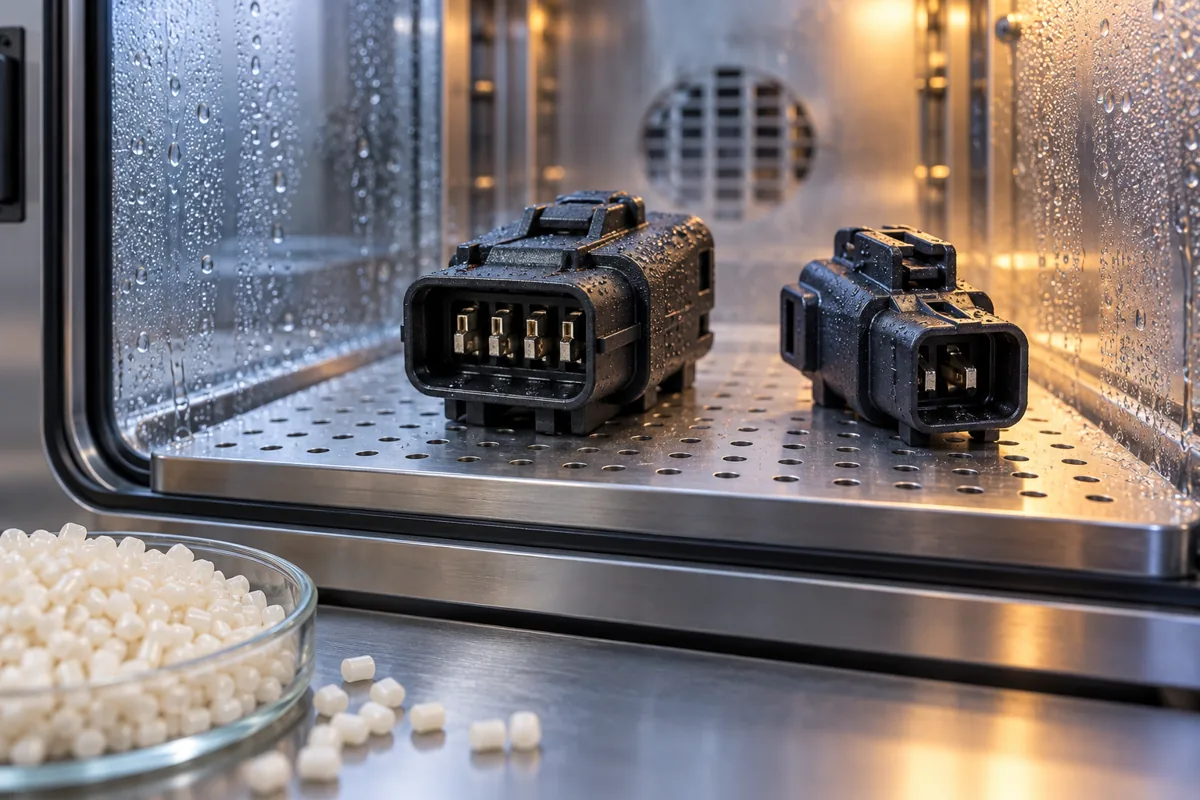
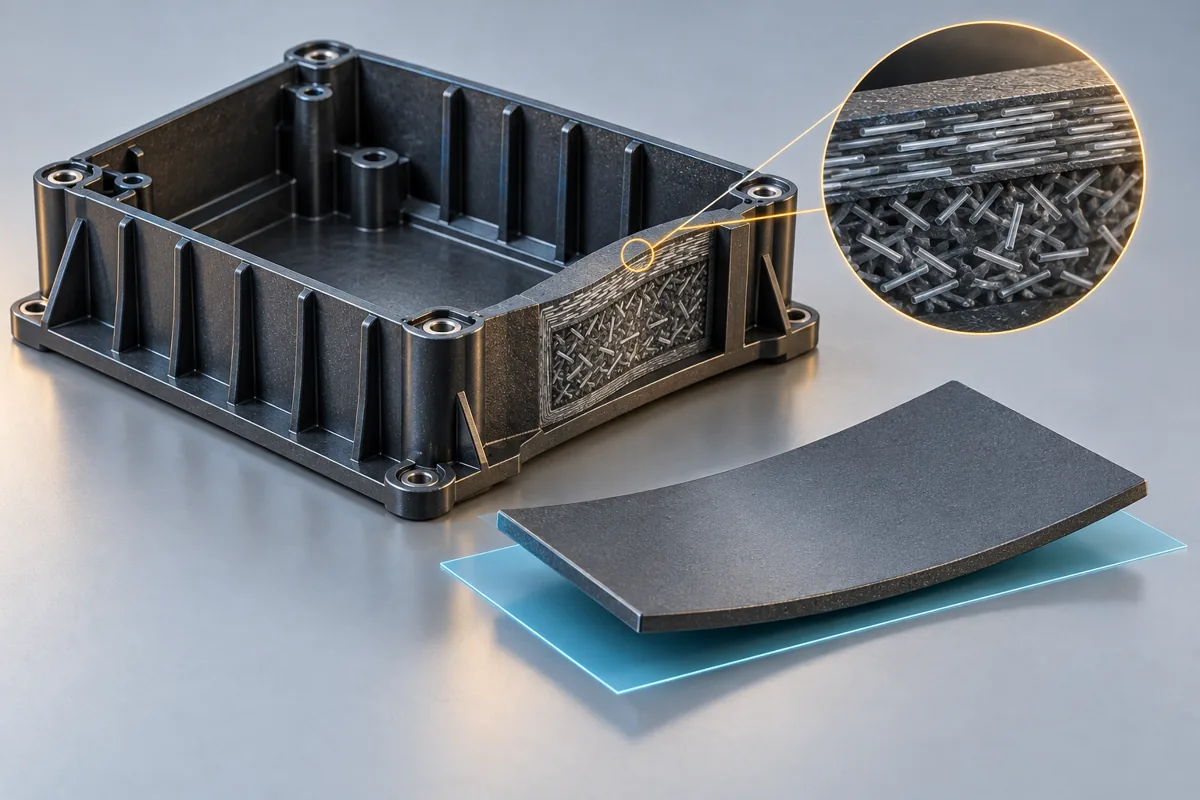
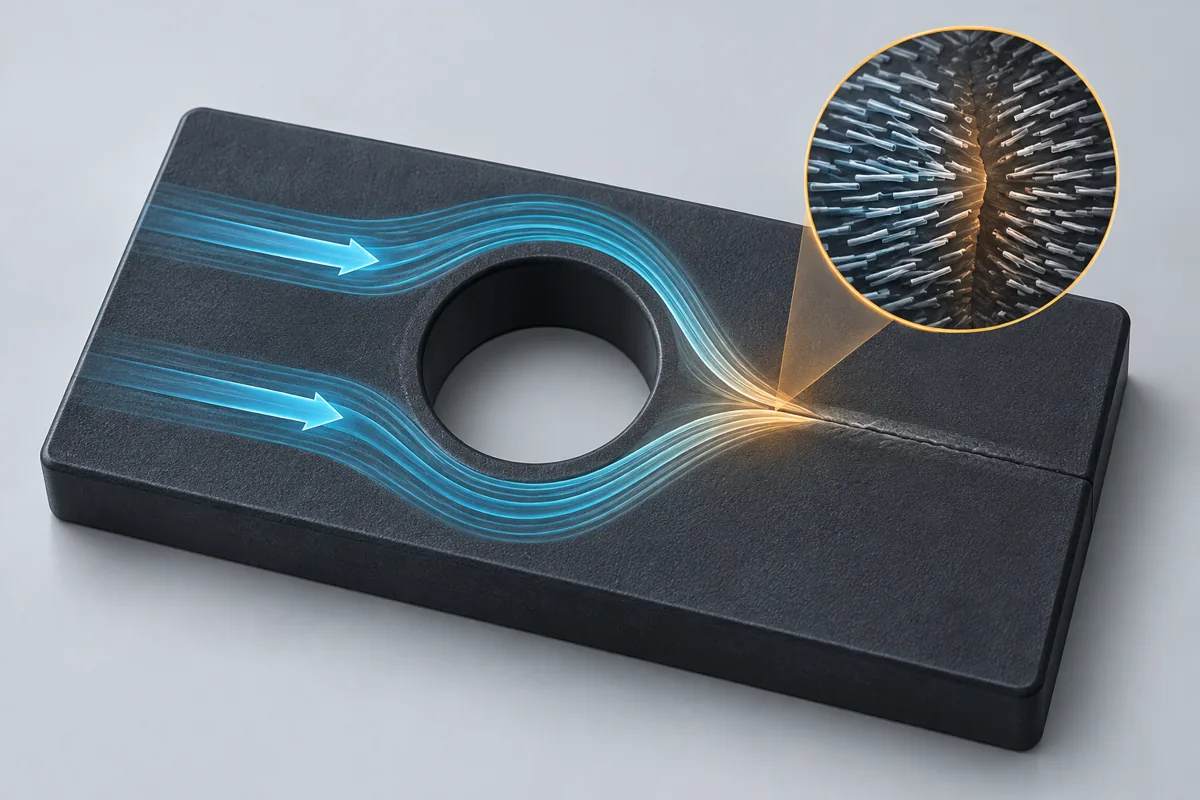
PC/ABS Plastic Melting Point, Specific Gravity, and Processing Temperature Guide
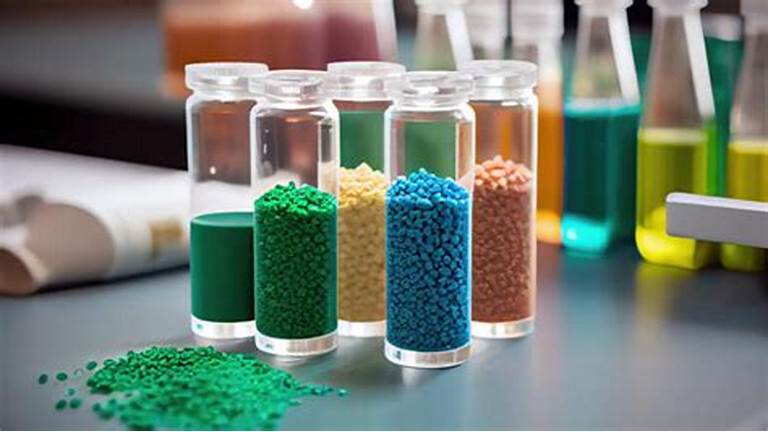
PC/ABS plastic is a polycarbonate and ABS blend used when a molded part needs better impact balance, surface quality, and dimensional stability than standard ABS alone can provide. Buyers usually review this material for housings, covers, interior components, and electrical parts where processing stability matters as much as the property sheet.
When sourcing PC/ABS, questions about melting point and specific gravity are usually tied to real production issues: resin drying, barrel setting, mold filling, cycle control, weight control, and drop-performance targets. A single number is not enough. The right processing window depends on grade design, flame-retardant package, glass fiber level, wall thickness, and part geometry.
PC/ABS Property Range Buyers Usually Check First
| Property | Typical Buyer Focus | Selection Note |
|---|---|---|
| Specific gravity | About 1.05 to 1.20, depending on formulation | FR systems, fillers, and reinforcement can raise density. |
| Processing temperature | Usually reviewed as a melt-processing window, not a single melt point | Actual molding settings depend on grade and part thickness. |
| Impact balance | Needed for housings, covers, and assembly-loaded parts | Low-temperature performance should be checked separately. |
| Dimensional stability | Important for snap-fit and multi-part assembly | Warpage review is still required for large flat parts. |
Does PC/ABS Have a Single Melting Point?
Not in the same way as a simple crystalline polymer. PC/ABS is a blend, so buyers usually discuss processing temperature range rather than one sharp melting point. In practice, the molding team cares more about drying condition, melt temperature control, mold temperature, and whether the chosen grade can fill the part without splay, burning, or excessive internal stress.
For that reason, a supplier should not answer only with a broad number. The more useful reply is whether the requested grade is intended for thin-wall housing parts, plated parts, flame-retardant electrical housings, or standard appliance covers.
Why Specific Gravity Matters in PC/ABS Purchasing
Specific gravity affects part weight, output calculation, shot-weight planning, and in some cases transport cost. It also gives a clue about whether the blend contains flame-retardant additives, mineral content, or other package adjustments that can change feel, stiffness, and mold behavior.
For buyers comparing two suppliers, density data should be reviewed together with impact strength, heat resistance, shrinkage, gloss, and dimensional repeatability. A lower or higher specific gravity on its own does not mean the material is better.
Where PC/ABS Is Commonly Used
PC/ABS is often selected for electrical housings, appliance exterior parts, automotive interior trim, control-panel covers, and consumer-electronics housings. In these applications, the project usually needs a combination of toughness, appearance stability, and practical molding behavior.
For more application-focused material routes, buyers can also compare related pages such as PC/ABS FR control panel housing material, electrical housing plastic guide, and top sale engineering plastic grades.
What Buyers Should Confirm Before Ordering
Before placing a sample or production order, it is better to confirm the application, wall thickness, surface requirement, color, flame-retardant target, and assembly stress condition. These details change the grade recommendation more than a generic density or melting-temperature chart.
If the part will face heat, screw fastening, repeated opening and closing, or impact during transport, the supplier should recommend a starting grade and a backup grade rather than one code only.
Why Choose WanHan
Since 2005, WanHan has focused on independent R&D, production, and sales of functional polymer materials for demanding industrial applications. The company is certified with ISO 9001, ISO 14001, ISO 45001, and IATF 16949, and operates with full sets of testing equipment to support strict quality control throughout production.
WanHan materials are exported to more than 30 countries and are used in automotive, electronics, home appliances, and industrial parts that require reliable mechanical, thermal, and processing performance. For B2B projects, WanHan can discuss resin family, reinforcement level, flame-retardant target, color, compliance request, and the main performance issue that must be solved first.
Frequently Asked Questions
Q: Does PC/ABS have one exact melting point?
A: Buyers usually review PC/ABS by its processing temperature range rather than one sharp melting point because it is a blend system.
Q: What is the typical specific gravity of PC/ABS?
A: Many PC/ABS grades fall around 1.05 to 1.20, but the exact value depends on flame retardants, fillers, and grade design.
Q: Why does specific gravity matter when buying PC/ABS?
A: It affects part weight, shot calculation, output planning, and can indicate formulation differences that also influence molding behavior.
Q: Is PC/ABS suitable for electrical housings?
A: Yes. It is commonly considered for housings and covers that need balanced toughness, appearance quality, and stable molding performance.
Q: What information should a buyer send before asking for a PC/ABS recommendation?
A: It is best to send the part application, wall thickness, FR requirement, color, surface expectation, and the main performance problem to be solved.
Nylon 66 Density, Melting Point and Temperature Guide
What Is PA6 GF50? Properties, Uses, and High-Stiffness Part Guide
Related Article