Nylon 6 Melting Point, Density, and Temperature Range Guide
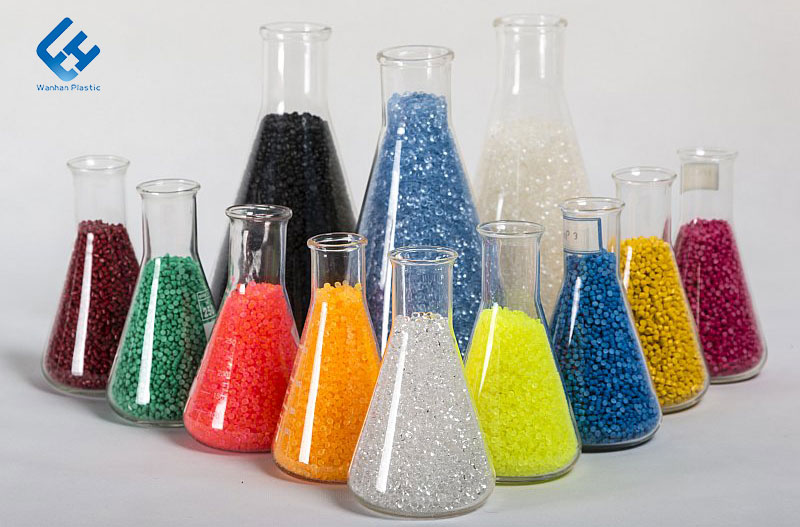
Nylon 6, also called PA6 or polyamide 6, is an engineering thermoplastic used for molded parts that need a practical balance of toughness, wear resistance, and processability. Buyers often search melting point, density, and temperature range first, but the useful decision comes from linking those numbers to the part environment.
For B2B sourcing, PA6 is commonly reviewed for housings, guides, clips, appliance structures, industrial parts, and glass-filled structural components. The grade can be unfilled, reinforced, flame-retardant, lubricated, heat-stabilized, or color-matched depending on the project target.
Typical Nylon 6 Property Reference
| Property | Typical Reference | Buyer Note |
|---|---|---|
| Density | About 1.13 g/cm3 for unfilled PA6 | Glass fiber, flame retardants, and minerals will change the value. |
| Melting point | Usually around 220 C | Processing settings should not be chosen from melt point alone. |
| Service temperature | Depends on load, moisture, and grade design | Long-term heat aging must be checked for actual parts. |
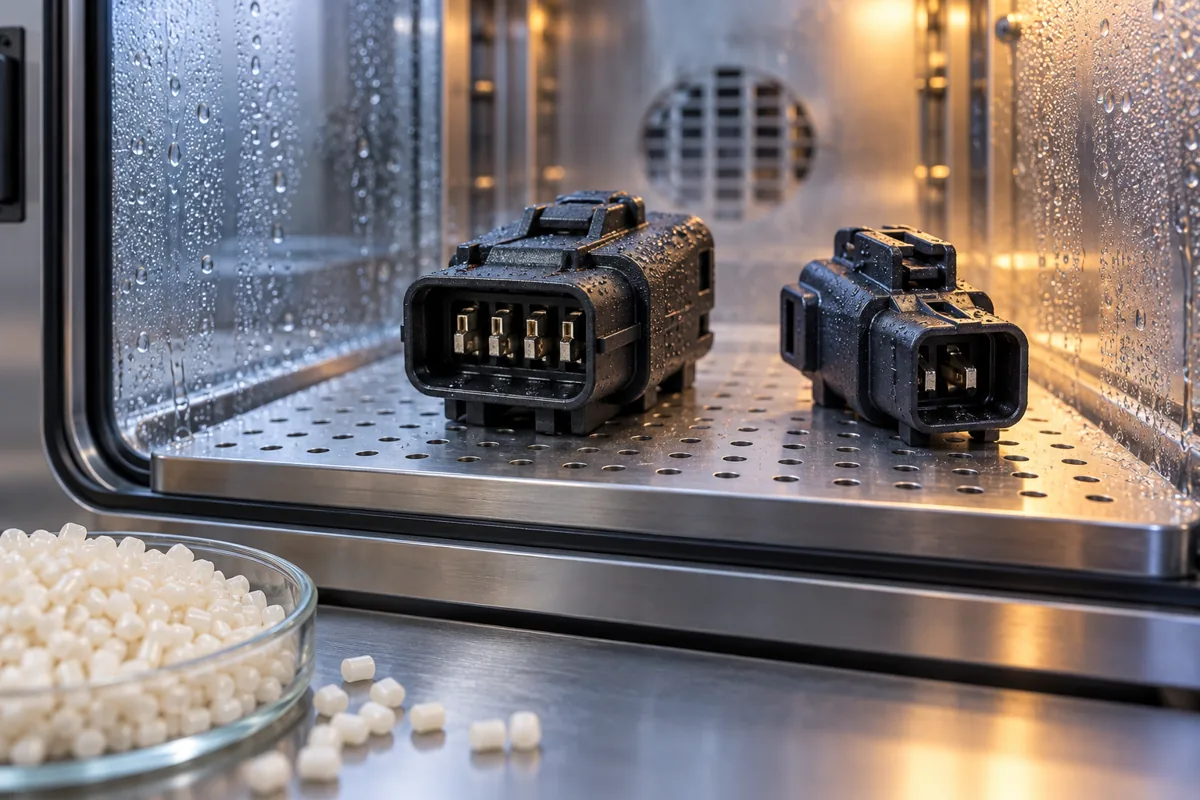
| Moisture absorption | Important material behavior for PA6 | Dimensional and property changes should be reviewed under use conditions. |
What Nylon 6 Melting Point Really Tells a Buyer
The melting point of nylon 6 is a useful material reference, but it is not the only number that controls molding or end-use performance. Buyers should also check drying practice, melt-processing window, mold temperature, wall thickness, moisture conditioning, and whether the part needs structural reinforcement.
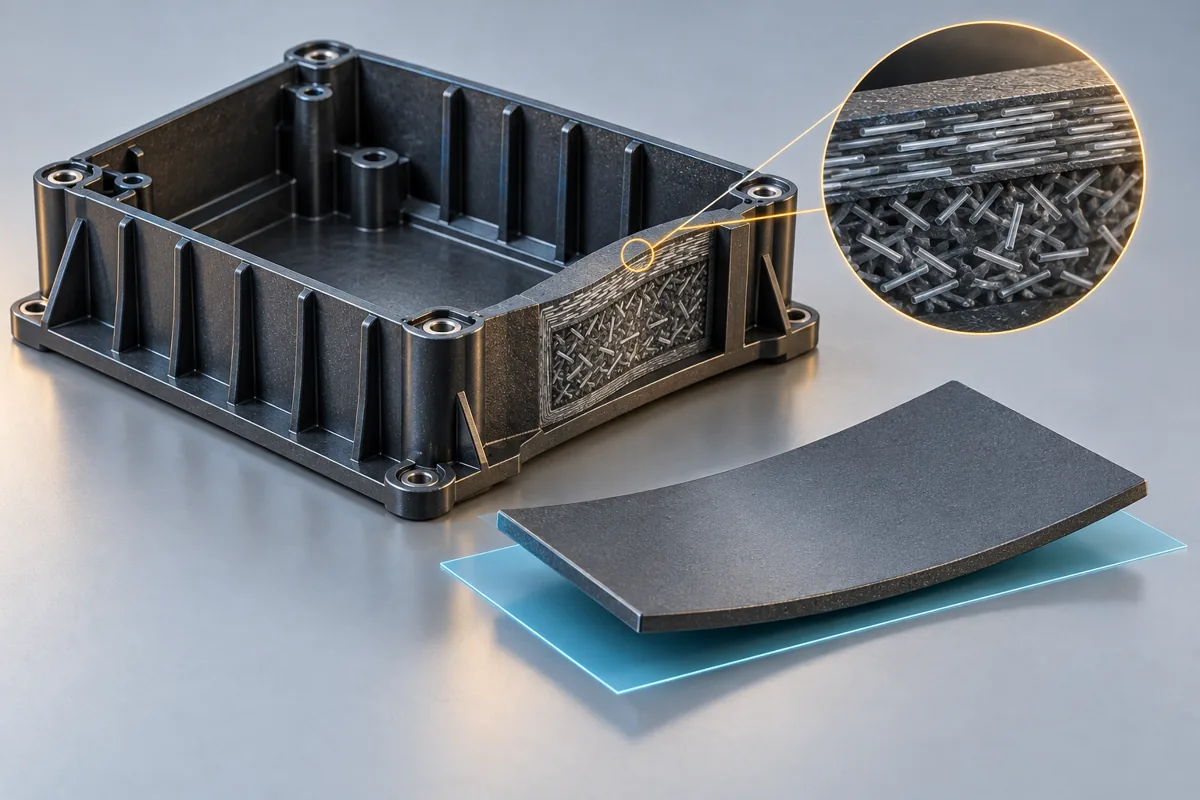
For example, an unfilled PA6 and a glass-filled PA6 grade may share the same base resin family, but the final part behavior will differ in stiffness, shrinkage, creep, and dimensional retention.
Why Density and Temperature Range Matter
Density affects part weight and gives buyers a first indication of formulation change. Temperature range matters because PA6 parts are often used near motors, housings, brackets, wear points, or clips that see repeated loading and warm service conditions.
When comparing suppliers, it is better to review density and temperature data together with tensile strength, impact behavior, moisture effect, and whether the grade is heat-stabilized or reinforced.
Common Nylon 6 Applications
PA6 is commonly used in industrial housings, guides, rollers, appliance structures, cable-management parts, clips, fan-related components, and many reinforced molded parts. For higher stiffness or lower deflection, buyers often compare it with PA6 GF30, PA6 GF50, or PA66.
How Buyers Should Evaluate a PA6 Supplier
A useful supplier discussion should cover the part function, service temperature, tolerance sensitivity, reinforcement need, flame-retardant request, color, and whether the part must pass assembly, drop, or heat-aging checks. A good material suggestion is based on that application path, not only on a generic nylon property chart.
Why Choose WanHan
Since 2005, WanHan has focused on functional polymer materials with independent R&D, production, and sales. The company holds ISO 9001, ISO 14001, ISO 45001, and IATF 16949 certifications and supports production with full sets of testing equipment for quality control and validation.
WanHan supplies materials to more than 30 countries and supports automotive, electronics, home appliance, and industrial applications. For nylon projects, WanHan can discuss unfilled, glass-filled, flame-retardant, heat-stabilized, and application-specific PA6 or PA66 routes based on the buyer's performance target.
Frequently Asked Questions
Q: What is the typical melting point of nylon 6?
A: Nylon 6 is commonly referenced at about 220 C, but buyers should still check the actual processing window of the selected grade.
Q: What is the density of unfilled nylon 6?
A: A common reference is about 1.13 g/cm3, while reinforced or additive-modified grades will be different.
Q: Does nylon 6 absorb moisture?
A: Yes. Moisture absorption is an important part of PA6 behavior and should be considered when checking dimensions and end-use properties.
Q: Is nylon 6 suitable for structural parts?
A: Yes, especially in reinforced grades such as glass-filled PA6 when the part needs higher stiffness and lower deflection.
Q: What should a buyer send when asking for a PA6 recommendation?
A: The key information includes the part application, service temperature, reinforcement target, color, compliance needs, and the main mechanical or thermal problem to be solved.
PA66 GF25 Properties, Applications and Processing Guide
PC/ABS Density and Young's Modulus Guide for Housing and Structural Parts
Related Article